
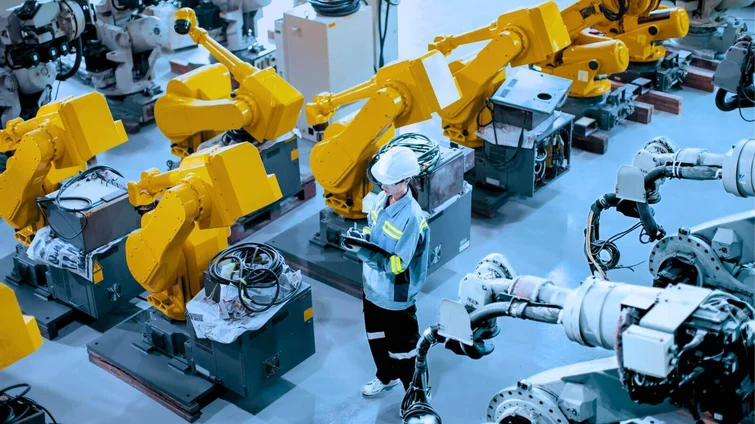
In the fast-paced world of manufacturing, equipment reliability and operational efficiency are essential for staying competitive. Preventive maintenance strategies for factories are designed to reduce unexpected breakdowns, minimize downtime, and extend the lifespan of critical assets. By implementing a proactive approach to equipment care, manufacturers can avoid costly disruptions, improve product quality, and ensure a safer working environment.
Modern production environments face increasing complexity, with advanced machinery, automation, and digital systems all playing a role. As a result, maintenance is no longer just about fixing things when they break. Instead, it’s about anticipating issues before they arise and taking systematic steps to prevent them. This article explores the key components of an effective preventive maintenance program, practical steps for implementation, and the benefits that manufacturers can expect.
For those interested in how technology is transforming quality control, learn more about augmented reality in quality audits and its impact on data visualization within factory environments.
Understanding Proactive Maintenance in Manufacturing
Proactive maintenance refers to scheduled inspections, servicing, and repairs that are performed before equipment fails. Unlike reactive approaches, which address problems after they occur, preventive methods focus on regular checks and routine tasks to keep machinery in optimal condition. This shift from “fix when broken” to “maintain to prevent failure” is at the heart of modern factory management.
Key elements of a proactive maintenance plan include:
- Routine inspections and lubrication
- Timely replacement of wear parts
- Calibration of sensors and instruments
- Cleaning and environmental control
- Documentation and analysis of maintenance activities

Key Benefits of Preventive Maintenance Approaches
Adopting a structured maintenance program brings significant advantages to manufacturing operations:
- Reduced Downtime: Regular care helps prevent unexpected equipment failures, keeping production lines running smoothly.
- Cost Savings: Addressing minor issues early avoids expensive repairs and lost productivity from major breakdowns.
- Improved Safety: Well-maintained machines are less likely to cause accidents or hazardous situations for workers.
- Extended Equipment Life: Consistent servicing and timely part replacements help machinery last longer, maximizing return on investment.
- Enhanced Product Quality: Stable, reliable equipment produces more consistent and higher-quality products.
For a deeper dive into how maintenance can drive efficiency, see this comprehensive guide to boosting production efficiency through maintenance.
Core Elements of Preventive Maintenance Strategies for Factories
A successful maintenance program in manufacturing is built on several foundational practices. These include:
-
Asset Inventory and Criticality Assessment:
Begin by cataloging all machinery and equipment. Assess each asset’s importance to production and the potential impact of its failure. This helps prioritize maintenance resources where they are needed most.
-
Scheduled Inspections and Tasks:
Develop a calendar of routine checks, lubrication, cleaning, and adjustments based on manufacturer recommendations and operational experience. Scheduling ensures that no critical task is overlooked.
-
Standardized Procedures:
Create detailed checklists and work instructions for each maintenance activity. Standardization reduces errors and ensures consistency across shifts and teams.
-
Staff Training and Engagement:
Equip maintenance teams and operators with the knowledge and skills to identify early warning signs of equipment issues. Encourage a culture of shared responsibility for asset care.
-
Data Collection and Analysis:
Track maintenance activities, equipment performance, and failure trends. Use this data to refine schedules, identify recurring issues, and drive continuous improvement.

Implementing Preventive Maintenance in Factory Settings
Transitioning to a proactive maintenance model requires planning and commitment. Here are practical steps for implementation:
- Start Small: Pilot the program on a single production line or group of assets. Gather feedback and refine processes before scaling up.
- Leverage Technology: Use computerized maintenance management systems (CMMS) to schedule tasks, track work orders, and store equipment history. Digital tools make it easier to manage complex maintenance schedules and analyze data.
- Integrate with Production: Coordinate maintenance activities with production schedules to minimize disruptions. Involve operators in basic care tasks to catch issues early.
- Monitor and Adjust: Regularly review program performance. Adjust frequencies, procedures, and resource allocation based on real-world results.
Emerging technologies such as monitoring AI model drift in factories are also helping manufacturers maintain accuracy and reliability in automated systems, further supporting preventive efforts.
Common Challenges and How to Overcome Them
While the benefits of preventive maintenance are clear, factories may encounter obstacles during implementation:
- Resource Constraints: Allocating time and personnel for regular maintenance can be difficult, especially in lean operations. Prioritizing critical assets and automating scheduling can help.
- Change Management: Shifting from a reactive to a proactive mindset requires buy-in from all levels. Leadership support and clear communication are essential.
- Data Gaps: Incomplete or inaccurate equipment records can hinder planning. Investing in asset management and data collection tools addresses this issue.
By addressing these challenges head-on, manufacturers can build a sustainable and effective maintenance culture.
Integrating Preventive Maintenance with Modern Manufacturing Trends
Today’s factories are increasingly adopting digital solutions and automation. Integrating preventive maintenance with these trends can unlock even greater value:
- IoT Sensors: Real-time monitoring of equipment conditions enables predictive maintenance, allowing teams to intervene before failures occur.
- Wearable Technology: Solutions like wearable AI for manual inspection support empower workers to perform inspections more efficiently and accurately.
- Advanced Analytics: Data-driven insights help optimize maintenance schedules and resource allocation.
As manufacturing continues to evolve, aligning maintenance strategies with digital transformation initiatives will be key to long-term success.
Frequently Asked Questions
What is the main goal of preventive maintenance in manufacturing?
The primary objective is to minimize unplanned downtime and extend the lifespan of equipment by performing regular inspections, servicing, and part replacements before failures occur. This approach helps maintain consistent production quality and reduces overall maintenance costs.
How often should preventive maintenance tasks be performed?
The frequency depends on the type of equipment, manufacturer recommendations, usage intensity, and operating environment. Most factories use a combination of time-based (e.g., monthly, quarterly) and usage-based (e.g., after a certain number of cycles or hours) schedules, adjusting as needed based on performance data.
Can small factories benefit from proactive maintenance programs?
Absolutely. Even smaller operations can see significant improvements in equipment reliability, safety, and cost control by adopting structured maintenance routines. Starting with critical assets and gradually expanding the program is a practical approach for organizations with limited resources.