
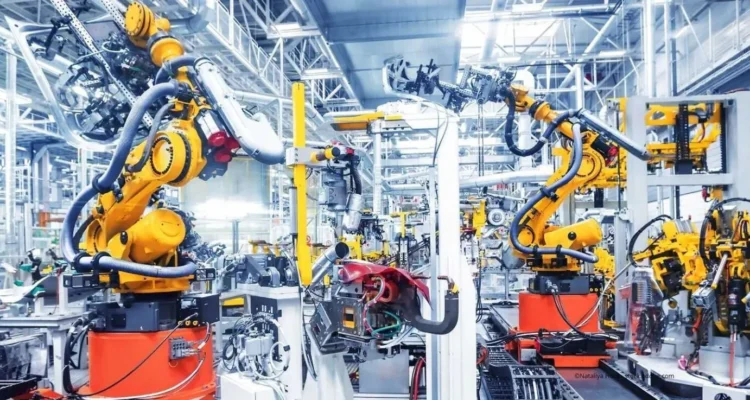
In today’s fast-paced manufacturing and industrial environments, maintaining consistent and reliable operations is critical for business success. Process stability monitoring systems play a vital role in ensuring that production lines, automated processes, and quality control measures remain steady and predictable. These systems help organizations detect deviations, minimize downtime, and optimize performance, resulting in higher efficiency and reduced costs.
With the increasing complexity of modern production, the ability to monitor and control process stability has become more important than ever. By leveraging advanced monitoring tools, companies can identify issues before they escalate, maintain compliance with industry standards, and deliver products that meet customer expectations. For organizations seeking to enhance their operational excellence, investing in robust monitoring solutions is a strategic move.
For businesses looking to integrate monitoring with broader quality initiatives, exploring enterprise quality management systems can provide a comprehensive approach to quality and process control.
Understanding Process Stability in Industrial Operations
Process stability refers to the ability of a manufacturing or production process to operate within defined parameters over time, producing consistent results. When a process is stable, it is predictable, and variations are minimized. This is essential for meeting quality standards, reducing waste, and ensuring customer satisfaction.
Several factors can impact process stability, including equipment wear, raw material inconsistencies, environmental changes, and human error. By implementing process stability monitoring systems, organizations can continuously track key variables, detect trends, and respond proactively to deviations.
Key Components of Modern Monitoring Solutions
Advanced monitoring platforms typically combine hardware sensors, data acquisition systems, and analytical software. These components work together to provide real-time visibility into process performance. Some of the most important features include:
- Sensor Networks: Devices that collect data on temperature, pressure, flow rates, vibration, and other critical parameters.
- Data Integration: Systems that aggregate information from multiple sources for centralized analysis.
- Analytics and Visualization: Software tools that interpret data, generate alerts, and display trends through dashboards.
- Automated Alerts: Notifications sent to operators or managers when parameters move outside acceptable ranges.
- Historical Data Storage: Archiving process data for long-term analysis and continuous improvement.
These elements enable teams to maintain tight control over operations, quickly address anomalies, and implement corrective actions before minor issues become major disruptions.
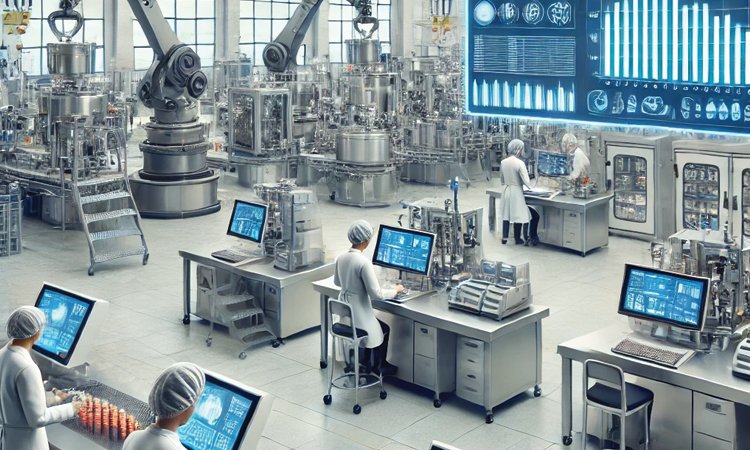
Benefits of Implementing Process Stability Monitoring Systems
Deploying a robust monitoring solution offers a range of advantages for manufacturers and process-driven industries:
- Reduced Downtime: Early detection of equipment or process issues allows for timely intervention, minimizing unplanned stoppages.
- Improved Product Quality: Consistent monitoring ensures that products are manufactured within specification, reducing defects and rework.
- Cost Savings: By optimizing operations and reducing waste, companies can achieve significant cost reductions over time.
- Regulatory Compliance: Automated data collection and reporting support compliance with industry standards and audits.
- Enhanced Decision-Making: Access to real-time and historical data empowers managers to make informed choices about process improvements.
For a deeper understanding of how real-time monitoring can drive business value, review this overview of real-time monitoring benefits.
Applications Across Industries
Process stability monitoring systems are used in a wide range of sectors, each with unique requirements and challenges. Some common applications include:
- Pharmaceutical Manufacturing: Ensuring precise control over formulation, mixing, and packaging to meet stringent quality standards.
- Automotive Production: Monitoring assembly lines for consistency and early detection of equipment malfunctions.
- Food and Beverage Processing: Maintaining hygiene and process parameters to ensure product safety and taste.
- Chemical Plants: Tracking reactions and storage conditions to prevent hazardous incidents and maintain product integrity.
- Electronics Assembly: Monitoring environmental conditions and process steps to reduce defects in sensitive components.
In each of these industries, stability monitoring is essential for maintaining a competitive edge and meeting customer expectations.
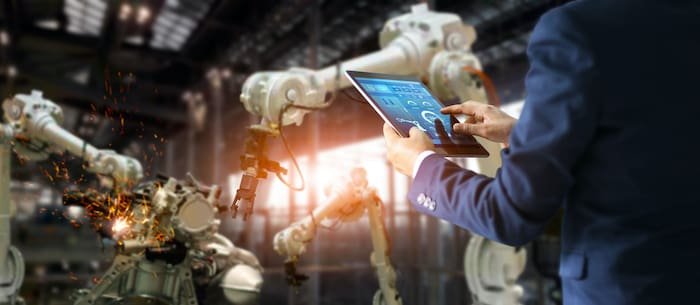
Integrating Monitoring with Quality and Analytics Platforms
To maximize the value of monitoring, many organizations integrate these systems with broader quality management and analytics platforms. This approach enables seamless data sharing, comprehensive reporting, and advanced insights for continuous improvement.
For example, combining monitoring with advanced manufacturing quality analytics allows teams to identify root causes of variability and implement targeted process improvements. Similarly, utilizing end to end quality visibility systems ensures that quality is tracked from raw materials to finished goods, providing a holistic view of operations.
By adopting an integrated approach, companies can break down data silos, improve collaboration, and drive smarter decision-making across departments.
Best Practices for Deploying Process Stability Tools
Implementing a successful monitoring solution requires careful planning and ongoing management. Consider the following best practices:
- Define Clear Objectives: Identify the key processes and parameters that need to be monitored based on business goals and risk assessments.
- Choose Scalable Solutions: Select systems that can grow with your operations and adapt to changing requirements.
- Ensure Data Accuracy: Regularly calibrate sensors and validate data to maintain reliability.
- Train Staff: Provide training for operators and managers to interpret data and respond effectively to alerts.
- Review and Improve: Continuously analyze performance data to identify trends and opportunities for process optimization.
Following these guidelines helps organizations realize the full benefits of their investment in stability monitoring.
Challenges and Considerations
While the advantages of process stability monitoring systems are clear, there are also challenges to consider. Integrating new technology with legacy equipment, managing large volumes of data, and ensuring cybersecurity are common concerns. Additionally, organizations must balance the need for detailed monitoring with the risk of information overload.
To address these challenges, it’s important to work with experienced solution providers, prioritize user-friendly interfaces, and establish clear protocols for data management and response.
For those interested in advanced detection capabilities, exploring variance detection in manufacturing can further enhance early warning systems and process control.
FAQ
What is the main purpose of process stability monitoring?
The primary goal is to ensure that industrial and manufacturing processes remain consistent, predictable, and within defined parameters. This helps prevent defects, reduce downtime, and maintain product quality.
How do these systems help reduce operational costs?
By providing real-time data and early warnings about deviations, monitoring solutions enable quick intervention. This minimizes waste, prevents equipment damage, and reduces the need for costly rework or recalls.
Can process stability monitoring be integrated with other quality systems?
Yes, modern monitoring platforms are often designed to integrate with quality management and analytics tools. This integration allows for comprehensive data analysis, improved reporting, and more effective process optimization.
What industries benefit most from stability monitoring?
Industries such as pharmaceuticals, automotive, food and beverage, chemicals, and electronics manufacturing all benefit significantly from robust monitoring due to their need for consistent quality and regulatory compliance.
What are the key features to look for in a monitoring system?
Important features include reliable sensor networks, real-time analytics, automated alerts, data integration capabilities, and user-friendly dashboards for visualization and reporting.