
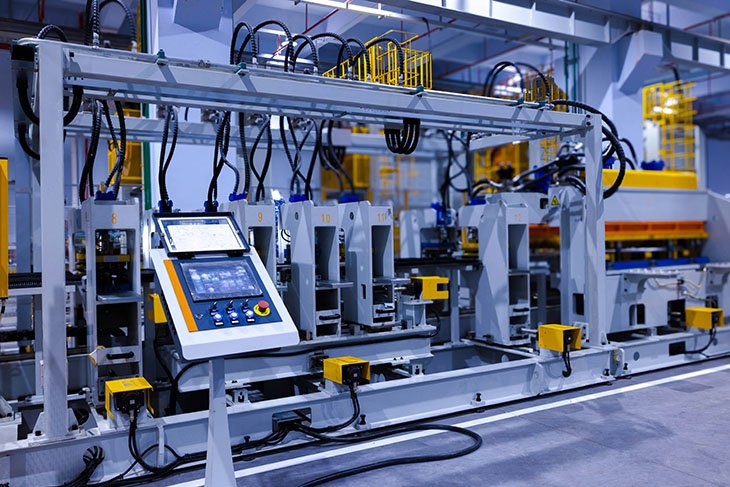
Modern manufacturing environments face increasing pressure to meet regulatory standards and deliver consistent product quality. Process validation monitoring systems have become essential tools for plants aiming to maintain compliance and optimize operational efficiency. These solutions enable real-time tracking, documentation, and analysis of critical process parameters, ensuring that every batch meets predefined specifications and regulatory requirements.
As industries evolve, the demand for robust monitoring and validation grows. Whether in pharmaceuticals, food processing, or electronics, companies must demonstrate that their processes are under control and capable of producing safe, high-quality products. This article explores the core functions, benefits, and best practices for implementing validation monitoring solutions in regulated manufacturing environments.
For organizations seeking to scale their quality initiatives, integrating enterprise quality management systems with process validation monitoring can provide a unified approach to compliance and continuous improvement.
Understanding Process Validation Monitoring in Regulated Industries
Process validation monitoring systems are designed to ensure that manufacturing processes consistently yield products that meet established quality criteria. In regulated sectors such as pharmaceuticals, biotechnology, and food production, validation is not just a best practice—it is a legal requirement. These systems automate the collection and analysis of process data, providing a digital record that supports regulatory audits and internal quality reviews.
Key elements of a robust monitoring solution include:
- Automated data capture from sensors and equipment
- Real-time alerts for deviations from critical parameters
- Comprehensive audit trails and electronic signatures
- Integration with quality management and reporting tools
By leveraging these features, manufacturers can minimize manual errors, reduce paperwork, and respond quickly to process deviations.

Key Benefits of Automated Validation Monitoring
Implementing automated process validation monitoring delivers a range of advantages for compliant manufacturing plants:
- Regulatory Compliance: Automated systems provide detailed, tamper-proof records that satisfy FDA, EMA, and other regulatory bodies’ requirements for process validation.
- Consistent Product Quality: Continuous monitoring helps maintain process stability, reducing batch-to-batch variability and minimizing the risk of defects.
- Operational Efficiency: Real-time data and automated reporting free up staff from manual record-keeping, allowing them to focus on higher-value tasks.
- Early Detection of Deviations: Instant alerts enable rapid response to process anomalies, preventing non-conforming products from reaching the market.
- Cost Savings: By reducing rework, scrap, and regulatory penalties, automated monitoring systems contribute to overall cost reduction.
For organizations aiming to enhance quality oversight, integrating end to end quality visibility systems can further strengthen process transparency and traceability.
Core Components of Modern Validation Monitoring Solutions
Today’s process validation monitoring systems combine hardware, software, and connectivity to deliver comprehensive oversight. The main components include:
- Sensor Networks: These collect real-time data on temperature, pressure, humidity, flow rates, and other critical parameters.
- Data Acquisition Platforms: Centralized systems aggregate sensor data, ensuring accurate and synchronized records.
- Analytics Engines: Advanced algorithms analyze trends, detect anomalies, and support predictive maintenance.
- User Interfaces: Dashboards and reporting tools provide operators and quality teams with actionable insights.
- Compliance Modules: Features such as electronic signatures, audit trails, and secure data storage are essential for meeting regulatory expectations.
When selecting a monitoring solution, it is important to consider scalability, integration capabilities, and support for industry-specific standards.

Best Practices for Implementation and Integration
Deploying process validation monitoring systems requires careful planning and cross-functional collaboration. Here are some best practices to ensure a successful rollout:
- Define Critical Process Parameters: Identify which variables must be monitored to demonstrate process control and product quality.
- Engage Stakeholders Early: Involve quality, IT, production, and regulatory teams from the outset to align goals and expectations.
- Ensure Data Integrity: Implement controls to prevent unauthorized access, data tampering, and ensure traceability.
- Integrate with Existing Systems: Connect monitoring platforms with advanced manufacturing quality analytics and enterprise resource planning (ERP) tools for seamless data flow.
- Train Personnel: Provide comprehensive training to operators and quality staff on system use and response protocols.
- Regularly Review and Update: Continuously assess system performance and update validation protocols as regulations and technologies evolve.
Following these steps helps organizations maximize the value of their monitoring investments and maintain a strong compliance posture.
Trends and Innovations in Validation Monitoring
The landscape of process validation monitoring is rapidly evolving, with several trends shaping the future of compliant manufacturing:
- Artificial Intelligence and Machine Learning: AI-driven analytics are enhancing anomaly detection, predictive maintenance, and root cause analysis.
- Cloud-Based Platforms: Secure cloud solutions enable remote monitoring, centralized data management, and easier compliance reporting.
- IoT Integration: The Industrial Internet of Things (IIoT) is expanding the scope of real-time monitoring across distributed plant assets.
- Mobile Accessibility: Operators and managers can access dashboards and alerts from any device, improving responsiveness.
For a deeper look at how real-time monitoring is transforming quality management, see real-time monitoring as the key to proactive quality management.
Plants that embrace these innovations are better positioned to meet evolving regulatory demands and drive continuous improvement.
Overcoming Common Challenges in Validation Monitoring
While the benefits of automated monitoring are clear, organizations may encounter obstacles during implementation:
- Legacy Infrastructure: Older equipment may lack connectivity, requiring retrofitting or phased upgrades.
- Data Silos: Disconnected systems can hinder data integration and limit the effectiveness of analytics.
- Change Management: Shifting from manual to automated processes may face resistance from staff accustomed to traditional workflows.
- Regulatory Complexity: Navigating varying global standards and documentation requirements can be challenging.
Addressing these issues involves strategic planning, stakeholder engagement, and selecting flexible solutions that support integration and scalability. For plants looking to modernize, exploring next generation quality monitoring systems can provide a future-ready foundation.
FAQ: Process Validation Monitoring in Manufacturing
What industries require process validation monitoring?
Industries such as pharmaceuticals, biotechnology, medical devices, food and beverage, and electronics manufacturing are typically subject to strict validation requirements. These sectors must demonstrate that their processes consistently produce products that meet regulatory and quality standards.
How do automated monitoring systems improve compliance?
Automated validation monitoring solutions provide real-time data capture, electronic records, and audit trails. This ensures that all process changes and deviations are documented, making it easier to demonstrate compliance during regulatory inspections and audits.
Can process validation monitoring be integrated with other quality systems?
Yes, modern monitoring platforms are designed to integrate with broader quality management and analytics systems. This enables seamless data flow, comprehensive reporting, and a holistic approach to quality and compliance management across the organization.
What should plants consider when selecting a validation monitoring solution?
Key factors include compatibility with existing equipment, scalability, ease of use, regulatory compliance features, and the ability to integrate with other quality and production systems. Vendor support and ongoing updates are also important for long-term success.
Conclusion
Process validation monitoring systems are critical for manufacturers striving to maintain compliance, ensure product quality, and drive operational excellence. By automating data collection, analysis, and reporting, these solutions help plants meet regulatory demands while reducing risk and improving efficiency. As technology advances, integrating monitoring with broader quality management strategies will become even more important for staying competitive and compliant in today’s dynamic manufacturing landscape.