
In today’s fast-paced manufacturing and production environments, maintaining consistent product quality is more challenging—and more critical—than ever. Even small deviations in process or materials can lead to costly defects, recalls, or reputational damage. This is where quality anomaly detection systems play a transformative role. These advanced solutions are designed to identify outliers and irregularities in real time, helping organizations respond quickly and prevent minor issues from escalating into major problems.
Modern businesses, especially those operating at scale, need more than traditional quality control. Automated anomaly detection leverages data analytics, machine learning, and sometimes artificial intelligence to monitor processes, flag unusual patterns, and support continuous improvement. By integrating these systems, companies can not only reduce waste and downtime but also build a culture of proactive quality management.

For organizations seeking to scale their quality initiatives, exploring enterprise quality management systems can provide a foundation for integrating advanced anomaly detection with broader quality assurance strategies.
How Automated Outlier Detection Works
Quality anomaly detection systems use a combination of sensors, data collection tools, and sophisticated algorithms to monitor production lines, equipment, and finished products. These systems continuously analyze data streams, looking for deviations from established norms or thresholds. When an anomaly is detected—such as a sudden spike in defect rates or an unexpected change in machine performance—the system triggers alerts for immediate investigation.
The underlying technology often includes:
- Statistical process control (SPC): Monitors process variables and flags values outside of control limits.
- Machine learning models: Learns from historical data to identify subtle or complex patterns that may indicate emerging issues.
- Real-time dashboards: Provide operators and managers with instant visibility into process health and quality trends.
By automating the detection process, manufacturers can move from reactive to proactive quality management, addressing issues before they impact customers or operations.
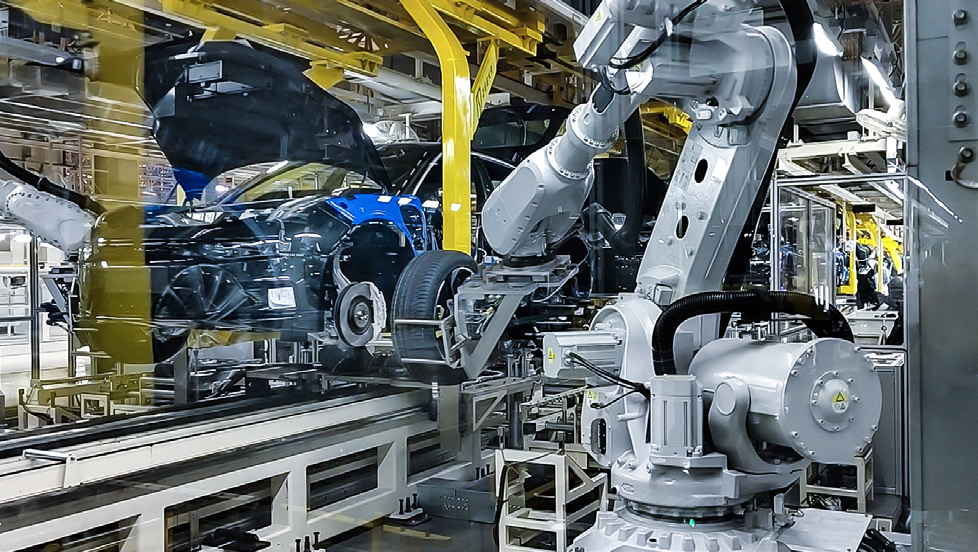
Key Benefits of Implementing Anomaly Detection in Quality Control
Integrating automated outlier detection into your quality processes offers several tangible advantages:
- Faster response to quality issues: Real-time alerts enable teams to intervene immediately, reducing the risk of defective products reaching customers.
- Reduced downtime and waste: Early detection of anomalies helps prevent equipment failures and process disruptions, minimizing scrap and rework.
- Improved product consistency: Continuous monitoring ensures that variations are caught before they affect large batches or production runs.
- Data-driven decision making: Historical and real-time data empower teams to identify root causes, optimize processes, and drive continuous improvement.
For organizations aiming to boost output and minimize unplanned stoppages, leveraging real-time monitoring to reduce downtime and increase output is a proven strategy that complements automated anomaly detection.
Applications Across Industries
While manufacturing is a primary domain for quality anomaly detection systems, these solutions are increasingly adopted in sectors such as pharmaceuticals, food and beverage, automotive, electronics, and textiles. In each case, the goal is to ensure that products meet rigorous standards and that any deviation is addressed before it becomes a costly problem.
For example, in the textile industry, automated vision systems can spot irregularities in fabric patterns or colors, while in electronics, sensors can detect micro-defects in circuit boards. The adaptability of these systems makes them valuable for both high-volume production and specialized, high-precision environments.

Choosing the Right Quality Anomaly Detection Solution
Selecting the most effective system depends on your organization’s unique needs, existing infrastructure, and quality goals. Consider the following factors:
- Integration capabilities: Can the system connect with your current MES, ERP, or quality management platforms?
- Scalability: Will the solution grow with your production volume and complexity?
- Customization: Does it allow for tailored rules, thresholds, and alerting based on your specific processes?
- Ease of use: Is the interface intuitive for operators and managers?
- Support and training: Are resources available to help your team get up to speed quickly?
For organizations seeking a comprehensive view of their quality landscape, exploring end to end quality visibility systems can provide additional insights and integration options.
Integrating Anomaly Detection with Broader Quality Initiatives
To maximize the impact of automated outlier detection, it’s important to align these systems with your overall quality management strategy. This includes connecting anomaly detection with root cause analysis, corrective action workflows, and continuous improvement programs.
Advanced analytics platforms can further enhance your capabilities by providing deeper insights into process trends, supplier performance, and product reliability. For teams focused on leveraging data for smarter decision-making, advanced manufacturing quality analytics can be a valuable complement to real-time anomaly monitoring.
Additionally, as manufacturing environments become more complex and data-rich, next-generation solutions such as next generation quality monitoring systems and variance detection in manufacturing are emerging to help organizations spot subtle shifts and spikes before they impact quality.
Best Practices for Successful Implementation
To ensure a smooth rollout and long-term success with quality anomaly detection systems, consider these best practices:
- Start with a pilot: Test the system on a single line or process to validate its effectiveness and identify any integration challenges.
- Engage your team: Involve operators, quality engineers, and IT staff early to build buy-in and ensure smooth adoption.
- Define clear metrics: Establish what constitutes an anomaly, how alerts will be handled, and what success looks like.
- Continuously refine: Use feedback and data to adjust thresholds, improve models, and optimize workflows over time.
- Leverage data for improvement: Don’t just react to anomalies—use the insights to drive root cause analysis and long-term process enhancements.
Frequently Asked Questions
What types of data do quality anomaly detection systems analyze?
These systems typically analyze a wide range of data, including sensor readings, process variables, machine parameters, visual inspection images, and even operator input. The specific data sources depend on the industry and the processes being monitored.
Can anomaly detection be used in small or manual production environments?
Yes, while these solutions are often associated with automated or high-volume production, they can also be adapted for smaller operations. Even basic statistical tools or simple sensors can provide valuable early warnings of quality issues.
How do these systems reduce costs?
By catching outliers and irregularities early, organizations can minimize scrap, rework, and warranty claims. This proactive approach also helps avoid unplanned downtime and reduces the risk of large-scale recalls or customer dissatisfaction.
Are these solutions difficult to maintain?
Most modern systems are designed for ease of use and require minimal ongoing maintenance. However, periodic reviews and updates—especially as processes or products change—are recommended to ensure continued effectiveness.
In summary, adopting advanced outlier detection technology enables organizations to maintain high standards, respond swiftly to emerging issues, and foster a culture of continuous improvement. As industries evolve, these systems will remain a cornerstone of effective, data-driven quality management.