
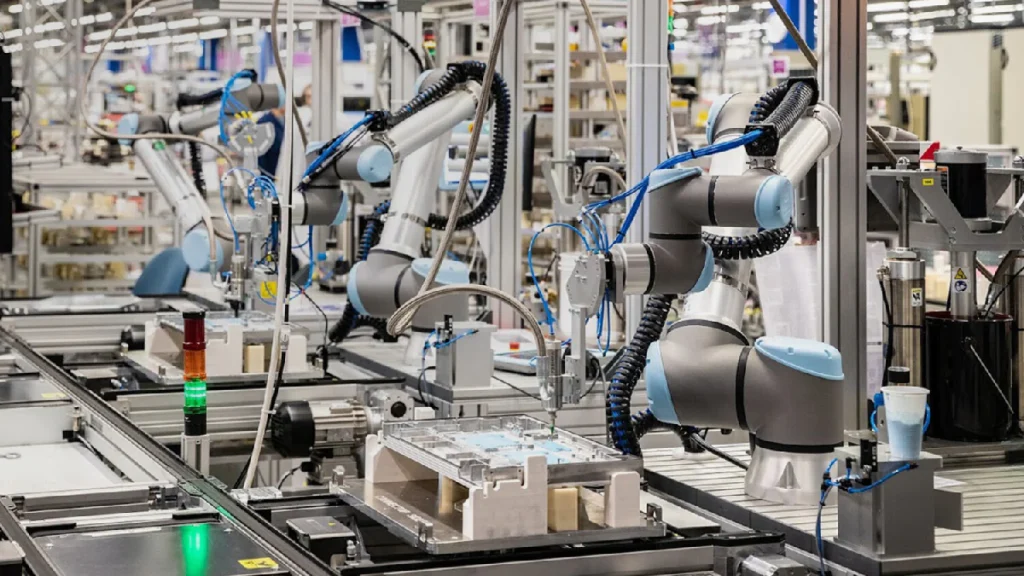
Modern manufacturing relies on precision, speed, and consistency. Yet, even the most advanced assembly lines face challenges with human error, process drift, and quality defects. Quality monitoring for assembly lines has become a critical strategy for manufacturers aiming to minimize mistakes, improve product reliability, and maintain a competitive edge. By leveraging real-time data, automated inspection, and analytics, organizations can proactively address issues before they escalate into costly recalls or customer complaints.
Implementing robust monitoring systems not only safeguards product standards but also empowers teams to work smarter. With the right approach, manufacturers can detect anomalies, reduce rework, and foster a culture of continuous improvement. For those seeking a scalable solution, exploring enterprise quality management systems can provide a foundation for global quality assurance and operational excellence.
The Role of Quality Monitoring in Modern Assembly Lines
Assembly lines today are complex ecosystems where mechanical, digital, and human elements interact. Quality monitoring for assembly lines involves tracking each stage of production to ensure that every component meets defined standards. This process typically combines automated inspection technologies, such as machine vision and sensors, with data analytics platforms that provide actionable insights.
By integrating these tools, manufacturers can:
- Identify deviations from specifications in real time
- Reduce the risk of defective products reaching customers
- Minimize downtime by quickly pinpointing root causes of issues
- Support compliance with industry regulations and certifications
The shift from manual checks to automated, data-driven oversight has transformed how teams approach quality. Instead of reacting to problems after they occur, organizations can now anticipate and prevent them.
Key Technologies Powering Assembly Line Quality Oversight
A variety of technologies support effective monitoring on the factory floor. Some of the most impactful include:
- Machine Vision Systems: Cameras and image processing algorithms inspect products for defects, missing parts, or assembly errors at high speeds. These systems excel at detecting subtle flaws that might escape human eyes.
- IoT Sensors: Embedded sensors track variables such as temperature, pressure, torque, and vibration. By continuously collecting data, they help ensure that machines operate within optimal parameters.
- Automated Data Collection: Barcode scanners, RFID tags, and digital forms capture process data at each step, enabling traceability and rapid root cause analysis.
- Analytics Platforms: Advanced software aggregates and analyzes data from across the line, highlighting trends, anomalies, and areas for improvement.

Reducing Human Errors Through Real-Time Monitoring
Human error remains a significant source of quality issues in manufacturing. Fatigue, distractions, and inconsistent training can all contribute to mistakes on the line. By implementing quality monitoring for assembly lines, manufacturers can catch errors as they happen and provide immediate feedback to operators.
For example, if a worker installs a component incorrectly, a machine vision system can flag the issue instantly, allowing for correction before the product moves downstream. Over time, this feedback loop helps teams learn from mistakes and refine their processes.
Additionally, real-time dashboards and alerts keep supervisors informed, enabling them to intervene proactively. This not only reduces rework and scrap but also boosts morale by supporting workers with the information they need to succeed.
Benefits of Automated Quality Control
Automated quality control delivers measurable advantages across the production lifecycle:
- Consistency: Automated systems apply the same standards to every product, reducing variability and ensuring uniform quality.
- Speed: Inspections happen in milliseconds, keeping pace with high-volume production without slowing throughput.
- Traceability: Digital records make it easy to track the history of every item, simplifying audits and recalls if necessary.
- Cost Savings: By catching defects early, companies avoid expensive rework, warranty claims, and customer dissatisfaction.
For organizations seeking to expand these benefits, exploring advanced manufacturing quality analytics can unlock deeper insights and drive smarter decision-making.

Integrating Quality Monitoring with End-to-End Visibility
To maximize the impact of monitoring, many manufacturers are moving toward end-to-end quality visibility. This approach connects data from every stage of production, from raw materials to final assembly and shipping.
By linking end to end quality visibility systems with real-time monitoring tools, teams gain a holistic view of quality performance. This integration enables faster response to emerging issues, supports continuous improvement, and helps organizations adapt to changing customer demands.
Common Challenges and How to Overcome Them
While the benefits are clear, implementing a comprehensive monitoring strategy can present challenges:
- Data Overload: With so many sensors and systems, teams may struggle to identify which data points matter most. Prioritizing actionable metrics and leveraging analytics platforms can help focus attention where it’s needed.
- Integration Complexity: Legacy equipment and siloed systems can make integration difficult. Partnering with solution providers experienced in next generation quality monitoring systems can streamline this process.
- Change Management: Shifting to automated oversight may require new skills and workflows. Investing in training and involving teams early in the process can ease the transition.
How Real-Time Production Monitoring Drives Results
Adopting real-time monitoring transforms quality management from a reactive to a proactive discipline. Manufacturers can quickly spot trends, address bottlenecks, and prevent minor issues from becoming major disruptions. According to industry research on production monitoring benefits, companies that embrace these technologies report higher yields, lower costs, and improved customer satisfaction.
Moreover, by integrating monitoring with variance detection in manufacturing, organizations can spot process spikes or drifts early, further reducing the risk of defects and downtime.
Best Practices for Implementing Quality Monitoring Solutions
To ensure success, manufacturers should consider the following best practices:
- Define Clear Objectives: Identify the most critical quality risks and set measurable goals for improvement.
- Start Small, Scale Fast: Pilot monitoring solutions on a single line or process, then expand based on results and feedback.
- Engage Teams: Involve operators, supervisors, and quality engineers in system design and rollout to ensure buy-in and usability.
- Leverage Analytics: Use dashboards and reports to track progress, identify trends, and drive continuous improvement.
- Review and Refine: Regularly assess system performance and make adjustments to address new challenges or opportunities.
FAQ
What is quality monitoring in assembly line manufacturing?
Quality monitoring in assembly lines refers to the use of automated systems, sensors, and analytics to track production processes and ensure products meet defined standards. This approach helps detect errors, reduce defects, and maintain consistent quality throughout manufacturing.
How does real-time monitoring reduce team errors?
Real-time monitoring provides immediate feedback to operators and supervisors when deviations or mistakes occur. By catching errors as they happen, teams can correct issues before they impact downstream processes, reducing rework and improving overall product reliability.
What are the main benefits of automated quality control?
Automated quality control increases consistency, speeds up inspections, enhances traceability, and reduces costs by identifying defects early. It also supports compliance and enables continuous improvement by providing actionable data and insights.