
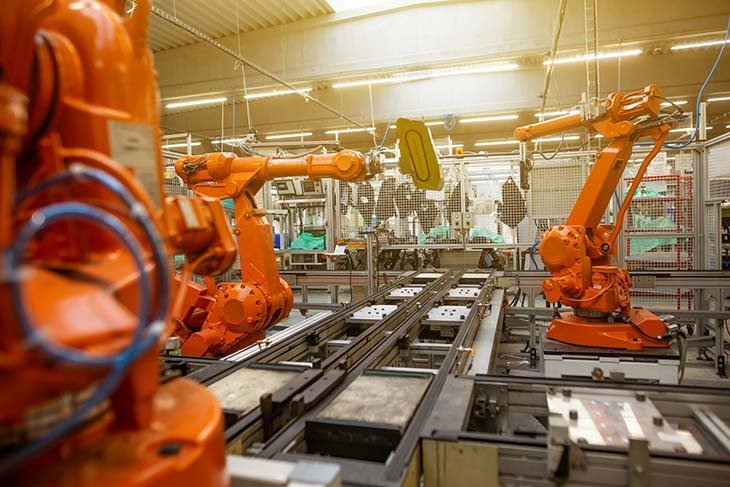
In today’s manufacturing landscape, the pressure to deliver products faster without sacrificing standards is greater than ever. As production volumes increase and product complexity rises, manual inspection and testing methods often become bottlenecks. This is where quality testing automation methods come into play, offering manufacturers the ability to accelerate throughput while maintaining—or even improving—consistency and compliance.
Automated quality assurance is no longer a luxury reserved for large enterprises. With advancements in robotics, machine vision, and data analytics, businesses of all sizes can now implement scalable solutions that minimize human error, reduce costs, and enable real-time decision-making. In this guide, we’ll explore the most effective strategies, technologies, and best practices for automating quality checks, and how these approaches can transform your production line.
For organizations seeking a holistic approach, integrating enterprise quality management systems can further streamline the automation process and provide end-to-end visibility across all production stages.
Why Automate Quality Testing?
Manual inspection processes, while familiar, are often slow, subjective, and prone to inconsistency. As production scales, these limitations become more pronounced, leading to increased risk of defects, higher labor costs, and potential delays. By adopting automated quality control methods, manufacturers can:
- Increase throughput by running inspections faster and more frequently.
- Reduce human error and subjectivity, ensuring reliable, repeatable results.
- Lower operational costs by minimizing manual labor and rework.
- Enable real-time monitoring and data-driven process improvements.
- Enhance traceability for compliance and customer assurance.
Ultimately, automating quality checks helps organizations meet customer expectations for speed and reliability, while also supporting continuous improvement initiatives.
Key Quality Testing Automation Methods in Manufacturing
There are several proven approaches to automating quality assurance on the shop floor. The choice of method depends on the product, production environment, and desired outcomes. Below are some of the most widely adopted techniques.
Machine Vision Systems for Automated Inspection
Machine vision leverages high-resolution cameras and advanced image processing algorithms to inspect products at high speed. These systems can detect surface defects, dimensional inaccuracies, color deviations, and assembly errors in real time. Machine vision is especially effective for industries such as electronics, automotive, and food processing, where visual consistency is critical.
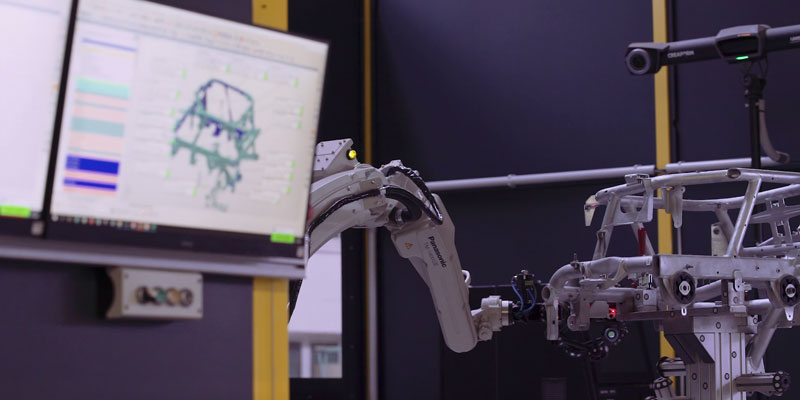
Modern vision systems can be integrated directly into production lines, providing instant feedback and allowing for automatic rejection of non-conforming parts. This not only speeds up the inspection process but also ensures that only products meeting strict criteria move forward.
Robotic Testing and Automated Handling
Robots equipped with sensors and end-effectors can perform a variety of quality checks, from tactile measurements to functional testing. In high-volume environments, robotic arms can handle repetitive inspection tasks with precision and consistency, freeing up human operators for more complex problem-solving.
For example, in electronics manufacturing, robots can test circuit boards for electrical continuity and component placement. In automotive assembly, robotic systems can verify torque values, fit, and finish. These automated quality assurance methods not only improve speed but also reduce the risk of repetitive strain injuries among workers.
In-Line Metrology and 3D Scanning
In-line metrology systems use laser scanners, structured light, or contact probes to capture precise measurements of parts as they move through the production process. By comparing these measurements to digital models or CAD files, manufacturers can quickly identify deviations and make real-time adjustments.
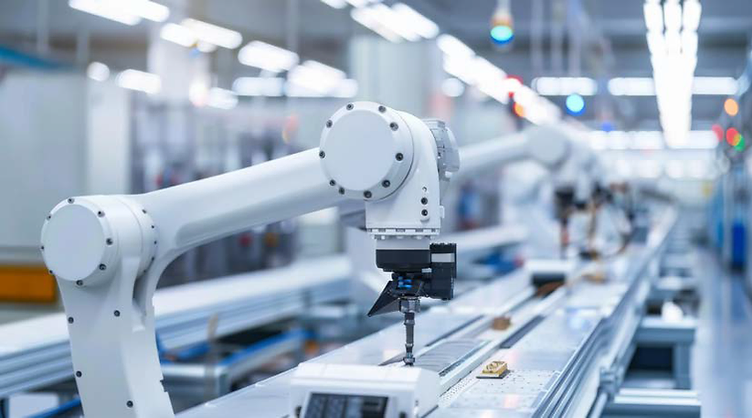
This approach is particularly valuable for industries with tight tolerances, such as aerospace and medical device manufacturing. Automated metrology reduces the need for manual gauge checks and ensures that every part meets exact specifications before leaving the line.
Data-Driven Quality Control and Analytics
Automation is not just about hardware. Software platforms now play a crucial role in collecting, analyzing, and acting on quality data. By integrating sensors, IoT devices, and cloud-based analytics, manufacturers can gain real-time insights into process performance and product quality.
Advanced solutions such as advanced manufacturing quality analytics enable teams to identify patterns, predict defects, and implement corrective actions before issues escalate. This data-driven approach ensures continuous improvement and supports compliance with industry standards.
For those interested in maximizing uptime and output, real-time monitoring to reduce downtime and increase output is another powerful strategy that complements automated testing.
Best Practices for Implementing Automated Quality Testing
Transitioning from manual to automated quality assurance requires careful planning and execution. Here are some best practices to ensure a successful rollout:
- Start with a pilot project to validate technology and processes before scaling up.
- Define clear objectives—whether it’s reducing defects, increasing speed, or improving traceability.
- Involve cross-functional teams including production, quality, and IT to ensure alignment.
- Integrate with existing systems such as MES, ERP, or end to end quality visibility systems for seamless data flow.
- Train staff on new equipment and workflows to maximize adoption and minimize resistance.
- Monitor and refine automated processes continuously, using analytics to drive further improvements.
By following these steps, manufacturers can realize the full benefits of automation while minimizing disruption to ongoing operations.
Challenges and Considerations
While the advantages of automated quality control are clear, there are challenges to consider. Initial investment costs, integration complexity, and the need for specialized skills can pose barriers. Additionally, not all products or processes are suitable for full automation—some may still require human judgment or hybrid approaches.
It’s important to assess the specific needs of your production environment and choose technologies that align with your goals and resources. Consulting with experts and leveraging modular solutions can help overcome many common obstacles.
FAQ: Quality Testing Automation in Modern Manufacturing
What are the main benefits of automating quality testing?
Automated methods increase inspection speed, reduce human error, and provide consistent, objective results. They also enable real-time monitoring, lower operational costs, and improve traceability for regulatory compliance.
How do I choose the right automation technology for my production line?
Consider the type of product, required inspection criteria, production volume, and integration needs. Evaluate solutions such as machine vision, robotics, and in-line metrology based on your specific challenges and goals. Starting with a pilot project can help determine the best fit.
Can automation completely replace manual quality checks?
While automation can handle many repetitive and objective tasks, some inspections may still require human expertise, especially for complex or subjective evaluations. A hybrid approach often delivers the best results, combining the speed of automation with the flexibility of manual checks.
Conclusion
Embracing quality testing automation methods is essential for manufacturers aiming to stay competitive in a fast-paced market. By leveraging machine vision, robotics, advanced analytics, and integrated systems, organizations can accelerate production, enhance product reliability, and support continuous improvement. With careful planning and the right technology partners, automated quality control can become a powerful driver of operational excellence.