
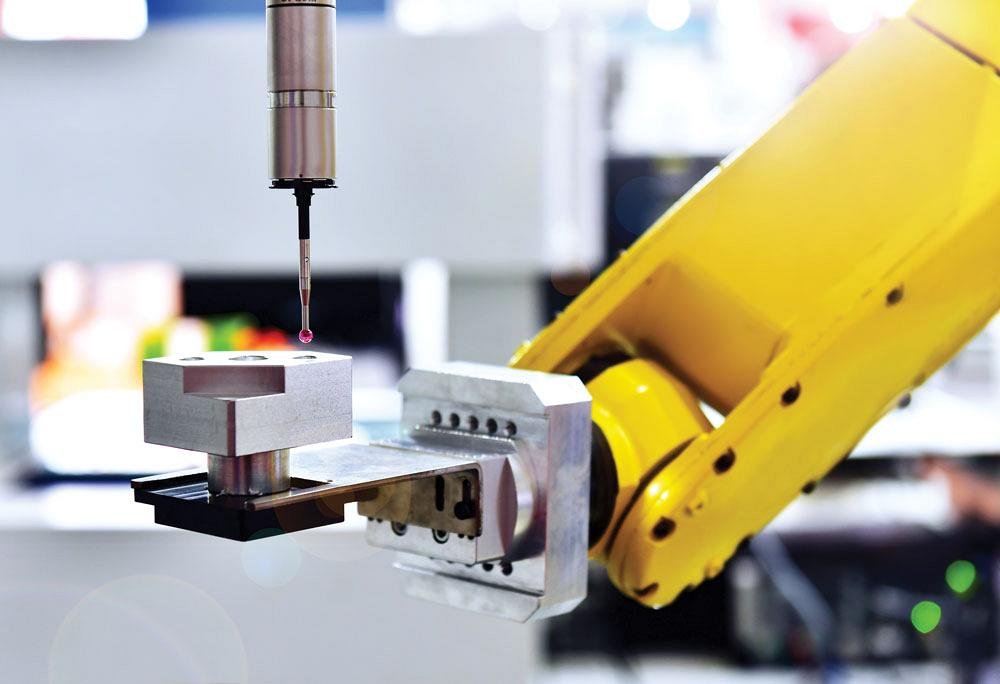
Manufacturers today face relentless pressure to increase output, reduce costs, and maintain high quality—all while adapting to rapidly changing market demands. Real time production optimization has emerged as a transformative approach, enabling factories to maximize yield by making data-driven decisions on the fly. By leveraging advanced analytics, automation, and integrated quality systems, organizations can respond instantly to process deviations, equipment issues, and shifting production requirements.
In this guide, we’ll explore the core principles of dynamic production improvement, key technologies driving its adoption, and practical steps for implementation. We’ll also highlight the role of quality management and visibility tools in supporting continuous improvement across manufacturing environments.
For organizations operating at scale, integrating enterprise quality management systems early in the optimization journey ensures that process improvements are both sustainable and compliant with industry standards.
Understanding the Need for Dynamic Optimization in Manufacturing
Traditional manufacturing relied on periodic reviews and manual adjustments to improve efficiency. However, these methods often lag behind real-world changes, leading to missed opportunities, increased waste, and suboptimal output. Real time production optimization addresses these challenges by enabling factories to:
- Continuously monitor critical process parameters
- Detect and correct deviations before they impact quality or yield
- Adapt production schedules and resource allocation instantly
- Reduce downtime and improve equipment utilization
The shift to real-time approaches is driven by the need for agility. With global supply chains, fluctuating demand, and tighter quality requirements, manufacturers can no longer afford to wait for end-of-shift reports or monthly reviews to make improvements.
Key Technologies Powering Real-Time Factory Optimization
Several technological advancements have made it possible to optimize production lines as events unfold. The most impactful include:
- Industrial IoT (IIoT) Sensors: These devices collect data on temperature, pressure, vibration, and other variables directly from machines and processes.
- Machine Vision Systems: Automated cameras and AI algorithms inspect products in real time, identifying defects and triggering corrective actions.
- Advanced Analytics Platforms: These tools analyze vast streams of data to detect patterns, predict failures, and recommend optimizations.
- Automated Quality Control: Integration with quality management systems ensures that every product meets specifications without manual intervention.
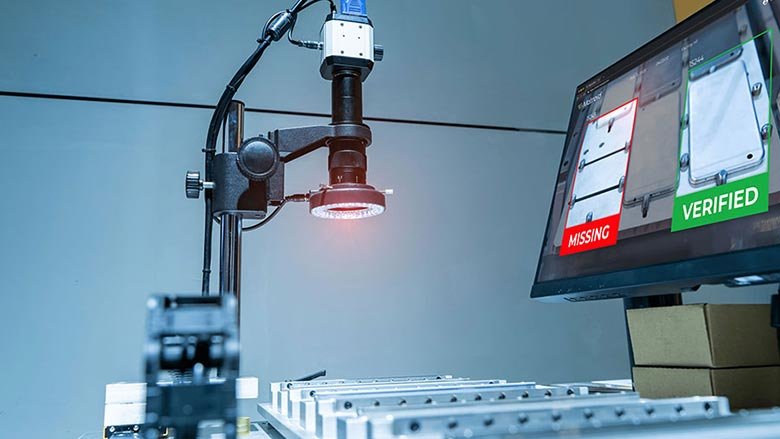
By combining these technologies, manufacturers can create a digital thread that links every stage of production, from raw materials to finished goods. This connectivity is essential for achieving maximum yield and maintaining consistent quality.
Integrating Quality Analytics for Smarter Production Decisions
Quality is inseparable from productivity. Even the most efficient process loses value if it produces defective parts. That’s why integrating advanced manufacturing quality analytics into real-time optimization strategies is so important. These analytics platforms provide:
- Instant feedback on product conformity and process stability
- Root cause analysis for recurring issues
- Predictive insights to prevent quality drift
- Dashboards for monitoring key performance indicators (KPIs) across multiple lines or sites
With these insights, teams can prioritize interventions, allocate resources more effectively, and ensure that process improvements are aligned with business goals.
Implementing Real-Time Production Optimization: Practical Steps
Adopting a real-time approach to factory optimization requires careful planning and execution. Here are the essential steps:
- Assess Current Capabilities: Evaluate existing data collection, automation, and quality systems. Identify gaps in connectivity, analytics, or process control.
- Define Objectives: Set clear goals for yield improvement, waste reduction, or quality enhancement. Align these with broader business targets.
- Deploy Sensors and Data Infrastructure: Install IIoT devices and ensure reliable data transmission to centralized platforms.
- Integrate Analytics and Visualization Tools: Choose solutions that can process real-time data and present actionable insights to operators and managers.
- Automate Response Mechanisms: Where possible, enable systems to adjust process parameters or trigger maintenance actions automatically.
- Train Teams: Ensure staff understand how to interpret data, respond to alerts, and participate in continuous improvement efforts.
- Monitor, Review, and Refine: Regularly evaluate system performance, update algorithms, and expand optimization efforts to new areas.
Benefits of Continuous Controls and Monitoring
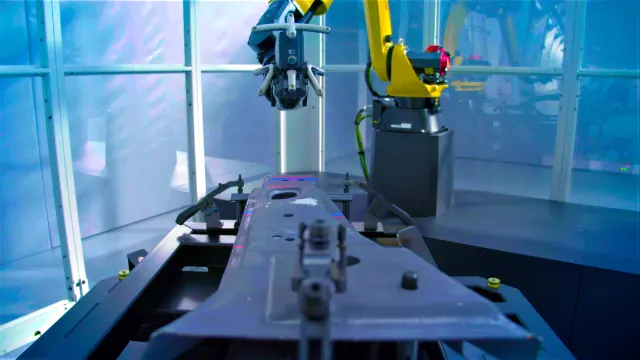
One of the most significant advantages of real-time optimization is the ability to implement continuous controls monitoring. This approach ensures that every aspect of the production process is under constant surveillance, reducing the risk of compliance breaches, quality escapes, and costly recalls.
Other notable benefits include:
- Higher Throughput: By minimizing downtime and bottlenecks, factories can produce more with existing resources.
- Improved Quality Consistency: Immediate detection and correction of deviations prevent defective products from reaching customers.
- Lower Operational Costs: Early intervention reduces scrap, rework, and unnecessary maintenance.
- Greater Flexibility: Teams can quickly adapt to new product variants, customer requirements, or supply chain disruptions.
Overcoming Challenges in Real-Time Manufacturing Optimization
While the benefits are clear, implementing real-time optimization is not without obstacles. Common challenges include:
- Data Silos: Legacy equipment and disconnected systems can hinder data integration.
- Change Management: Shifting to a data-driven culture requires buy-in from all levels of the organization.
- Cybersecurity Risks: Increased connectivity can expose factories to cyber threats if not properly managed.
- Scalability: Solutions must be able to grow with the business and adapt to new technologies.
To address these issues, manufacturers should prioritize open standards, invest in staff training, and work with partners experienced in digital transformation. Leveraging solutions like next generation quality monitoring systems can help bridge the gap between legacy processes and modern, real-time operations.
Future Trends: AI and Predictive Optimization
The next wave of factory optimization will be driven by artificial intelligence and machine learning. These technologies can analyze complex data sets, learn from historical trends, and recommend proactive adjustments before issues arise. Predictive maintenance, intelligent scheduling, and adaptive process control are just a few examples of how AI is reshaping manufacturing.
As these tools mature, the role of human operators will shift from manual intervention to oversight and strategic decision-making. The combination of human expertise and automated intelligence will set the standard for efficient, resilient, and high-yield production environments.
Frequently Asked Questions
What is real time production optimization?
This approach involves continuously monitoring and adjusting manufacturing processes to maximize output, minimize waste, and ensure consistent product quality. It leverages data from sensors, analytics, and automation to enable instant decision-making on the factory floor.
How does real-time optimization improve factory yield?
By detecting deviations and inefficiencies as they occur, real-time optimization allows teams to correct issues before they impact output or quality. This leads to higher throughput, reduced downtime, and fewer defective products.
What technologies are essential for implementing real-time optimization?
Key technologies include industrial IoT sensors, machine vision systems, advanced analytics platforms, and automated quality control solutions. Integrating these tools creates a connected environment where data drives continuous improvement.