
Minimizing errors and inconsistencies on the production line is a top priority for manufacturers aiming to deliver high-quality products, maintain customer trust, and control costs. Reducing defects in manufacturing not only improves operational efficiency but also strengthens a company’s reputation in competitive markets. Achieving this requires a blend of practical shop floor strategies, data-driven decision-making, and a culture of continuous improvement.
This article explores actionable methods for lowering defect rates, drawing on proven tactics that can be implemented on the shop floor. Whether you’re managing a large facility or a smaller operation, understanding these principles will help you build a more robust, reliable manufacturing process.
For organizations looking to scale their quality initiatives, leveraging enterprise quality management systems can provide the structure and visibility needed to drive sustainable improvements from the shop floor to the executive level.
Understanding the Root Causes of Production Errors
Before implementing any corrective measures, it’s essential to identify why defects occur. Common sources include equipment malfunctions, inconsistent raw materials, human error, and inadequate process controls. By conducting thorough root cause analyses—such as the “5 Whys” or fishbone diagrams—teams can pinpoint the underlying issues rather than just treating symptoms.
Once causes are understood, targeted solutions can be developed. For example, if a high defect rate is traced to machine calibration, establishing a regular maintenance schedule can address the problem at its source.
Standardizing Processes to Lower Defect Rates
One of the most effective ways to reduce manufacturing defects is through process standardization. When every operator follows the same set of instructions and uses the same tools, variability is minimized. This consistency leads to more predictable outcomes and fewer mistakes.
- Document Standard Operating Procedures (SOPs): Clearly written, accessible SOPs ensure everyone understands the correct way to perform each task.
- Visual Work Instructions: Use diagrams, photos, or videos to supplement written instructions, making them easier to follow on the shop floor.
- Regular Training: Ongoing education ensures that new and existing employees are up-to-date with best practices and any process changes.

Standardization also makes it easier to spot deviations quickly, so corrective action can be taken before defects multiply.
Implementing Continuous Monitoring and Real-Time Feedback
Modern manufacturing environments benefit greatly from continuous monitoring systems. These tools collect data from machines and processes in real time, allowing teams to detect anomalies as soon as they arise. Early detection means problems can be addressed immediately, preventing defective products from moving further down the line.
For a deeper understanding of how ongoing oversight can improve quality, see this resource on continuous monitoring in manufacturing.
Real-time dashboards, automated alerts, and digital quality checks empower operators to make informed decisions and intervene when necessary. These systems also provide valuable data for long-term process improvement initiatives.
Leveraging Data Analytics to Drive Improvement
Data-driven decision-making is a cornerstone of effective defect reduction. By analyzing production data, manufacturers can identify trends, recurring issues, and opportunities for optimization. Advanced solutions such as advanced manufacturing quality analytics enable teams to visualize performance metrics, track progress, and prioritize improvement efforts.
Key metrics to monitor include:
- Defect rates by product, shift, or machine
- First-pass yield (FPY)
- Scrap and rework costs
- Downtime due to quality issues
Regularly reviewing these indicators helps organizations focus resources where they will have the greatest impact.
Empowering Shop Floor Teams for Success
Operators and technicians are often the first to notice when something isn’t right. Empowering these team members to take ownership of quality can significantly reduce errors. This involves:
- Encouraging open communication about problems and near-misses
- Providing easy-to-use reporting tools for defects and suggestions
- Recognizing and rewarding proactive problem-solving
When employees feel responsible for quality outcomes, they are more likely to spot and address issues early.
Preventive Maintenance and Equipment Reliability
Equipment failures are a leading cause of defects in many manufacturing settings. A robust preventive maintenance program ensures that machines are operating within specified tolerances and reduces the risk of unexpected breakdowns.
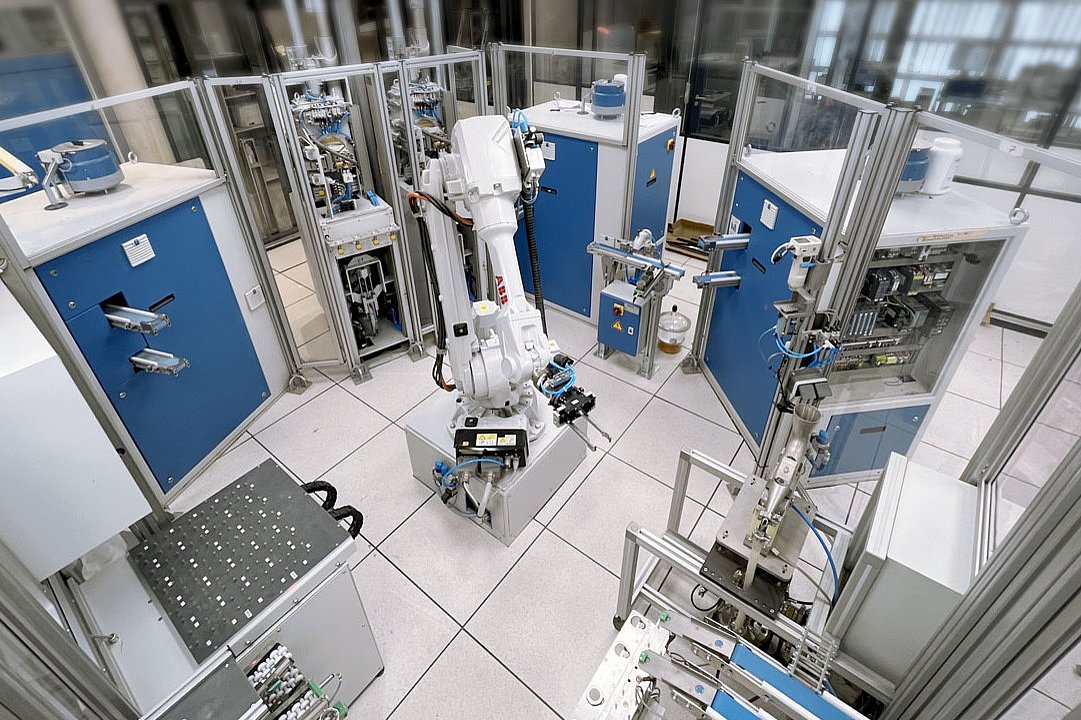
Key steps include:
- Scheduling regular inspections and calibrations
- Documenting maintenance activities and outcomes
- Training operators to perform basic equipment checks
Reliable equipment is foundational to consistent product quality and fewer shop floor errors.
Building a Culture of Continuous Improvement
Sustained defect reduction requires more than just technical fixes—it demands a culture where everyone is committed to ongoing improvement. Approaches like Lean, Six Sigma, and Kaizen provide frameworks for engaging all levels of the organization in quality initiatives.
Some practical ways to foster this culture include:
- Holding regular team meetings to review quality data and brainstorm solutions
- Encouraging cross-functional collaboration between production, maintenance, and quality teams
- Celebrating milestones and sharing lessons learned from improvement projects
Adopting modern technologies such as next generation quality monitoring systems and quality drift detection systems can further support a culture of continuous improvement by providing actionable insights and early warnings of potential issues.
FAQ: Reducing Defects and Improving Manufacturing Quality
What are the most common causes of defects in manufacturing?
The most frequent sources of errors include equipment malfunctions, inconsistent raw materials, human mistakes, and poorly defined processes. Addressing these root causes through preventive maintenance, standardized procedures, and operator training is essential for minimizing defects.
How can technology help lower defect rates on the shop floor?
Technologies such as real-time monitoring, automated quality checks, and data analytics platforms allow manufacturers to detect problems early, analyze trends, and implement targeted improvements. These tools make it easier to maintain high standards and respond quickly to emerging issues.
Why is employee involvement important for reducing defects?
Operators and technicians are closest to the production process and often notice issues before they escalate. Empowering staff to report problems, suggest improvements, and participate in quality initiatives leads to faster problem resolution and a stronger commitment to excellence.
Conclusion
Lowering defect rates on the shop floor is an ongoing process that combines standardized procedures, proactive maintenance, data-driven insights, and a culture of continuous improvement. By implementing these proven tactics, manufacturers can achieve higher product quality, reduce waste, and strengthen their competitive position in the market.