
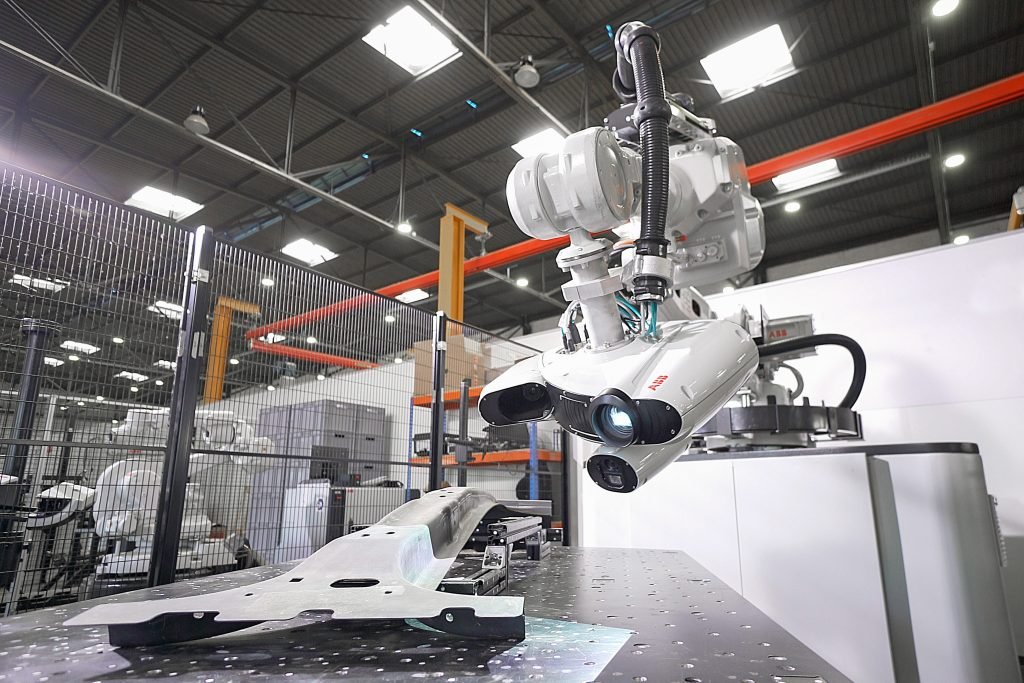
Modern manufacturing environments face increasing demands for regulatory compliance quality systems that ensure products meet stringent industry standards and legal requirements. As regulations evolve and global supply chains become more complex, manufacturers must adopt robust frameworks to guarantee both product quality and compliance. These systems not only help avoid costly penalties and recalls but also build trust with customers and partners.
Implementing a comprehensive compliance strategy requires integrating technology, process optimization, and continuous monitoring. By leveraging advanced solutions, manufacturers can streamline documentation, automate inspections, and maintain real-time visibility into their operations. For those seeking to enhance their oversight, exploring packaging line quality monitoring can be a practical step toward reducing shipping errors and ensuring regulatory adherence from production to delivery.
Key Elements of Compliance-Focused Quality Systems
Effective regulatory compliance quality systems are built on several foundational elements. These components work together to create a culture of accountability and continuous improvement within the plant:
- Document Control: Centralized management of policies, procedures, and records ensures that only the latest, approved versions are used on the shop floor.
- Risk Management: Identifying, assessing, and mitigating risks related to product quality and regulatory requirements is essential for proactive compliance.
- Audit Readiness: Regular internal audits and self-assessments prepare organizations for external inspections and certification processes.
- Training and Competency: Ongoing employee training guarantees that staff understand compliance obligations and how to fulfill them.
- Corrective and Preventive Actions (CAPA): Systematic approaches to addressing non-conformances and preventing recurrence are crucial for long-term success.
These elements form the backbone of any compliance-driven quality management system, enabling manufacturers to respond quickly to regulatory changes and maintain high standards.

Integrating Technology for Enhanced Oversight
Digital transformation is reshaping how manufacturers approach compliance quality systems. By integrating advanced technologies, plants can automate routine tasks, reduce human error, and gain real-time insights into their operations. Key innovations include:
- Automated Data Collection: Sensors and IoT devices capture process data continuously, ensuring accurate records for compliance audits.
- Electronic Batch Records (EBR): Digital records replace paper-based systems, improving traceability and reducing the risk of lost or incomplete documentation.
- Real-Time Monitoring: Platforms that provide live dashboards and alerts help teams respond quickly to deviations, minimizing compliance risks. For an in-depth look at the benefits, see this guide to real-time monitoring solutions.
- Integrated CAPA Management: Software tools streamline the investigation, resolution, and documentation of non-conformances, supporting a closed-loop improvement process.
By adopting these digital tools, manufacturers can ensure that their compliance efforts are both efficient and scalable, even as regulatory demands grow more complex.
Industry Standards and Regulatory Frameworks
Manufacturers must navigate a landscape shaped by multiple regulatory bodies and industry standards. The most common frameworks influencing quality and compliance systems include:
- ISO 9001: Sets out the criteria for a quality management system, emphasizing process consistency and customer satisfaction.
- Good Manufacturing Practice (GMP): Ensures products are produced and controlled according to quality standards, especially in pharmaceuticals and food industries.
- FDA 21 CFR Part 11: Governs electronic records and signatures in the United States, requiring strict controls for data integrity.
- Environmental and Safety Regulations: Standards such as ISO 14001 and OSHA requirements address environmental impact and worker safety.
Staying up-to-date with these regulations is vital. Many organizations use dedicated compliance teams and automated tracking tools to monitor changes and implement necessary updates efficiently.

Best Practices for Implementing Compliance Systems
Successfully deploying a regulatory compliance quality system requires a strategic approach. The following best practices can help organizations achieve and sustain compliance:
- Conduct a Gap Analysis: Assess current processes and identify areas where compliance requirements are not fully met.
- Engage Stakeholders: Involve cross-functional teams, including quality, production, IT, and legal, to ensure all perspectives are considered.
- Standardize Procedures: Develop clear, standardized operating procedures and ensure they are accessible to all relevant personnel.
- Leverage Automation: Use technology to automate repetitive tasks, such as data entry and report generation, reducing the risk of errors.
- Monitor Continuously: Implement real-time tracking tools to detect deviations early and initiate corrective actions promptly. For more on this, explore real time compliance tracking tools that support ongoing oversight.
- Review and Improve: Regularly review system performance and update processes in response to audit findings, regulatory changes, or new risks.
Following these steps helps organizations build a resilient compliance infrastructure that adapts to changing regulations and business needs.
Benefits of Robust Compliance and Quality Management
Investing in a strong compliance and quality framework delivers significant advantages for manufacturers, including:
- Reduced Risk: Proactive compliance minimizes the likelihood of regulatory violations, product recalls, and associated costs.
- Improved Product Quality: Consistent processes and rigorous oversight lead to higher-quality products and fewer defects.
- Enhanced Reputation: Demonstrating a commitment to compliance builds trust with customers, partners, and regulators.
- Operational Efficiency: Automation and standardized procedures streamline workflows, freeing up resources for value-added activities.
- Faster Market Access: Meeting regulatory requirements expedites product approvals and market entry, especially in highly regulated sectors.
These benefits make compliance quality systems a strategic investment for any manufacturer aiming for long-term success and competitiveness.
Common Challenges and How to Overcome Them
Despite the clear advantages, implementing and maintaining compliance systems can present challenges:
- Complex Regulations: Navigating overlapping and evolving standards requires ongoing education and monitoring.
- Data Silos: Disconnected systems can hinder visibility and make it difficult to produce comprehensive compliance reports.
- Resource Constraints: Smaller organizations may struggle with the cost and expertise required for full compliance.
- Change Management: Resistance to new processes or technologies can slow adoption and reduce effectiveness.
Overcoming these obstacles involves investing in staff training, choosing scalable technology solutions, and fostering a culture of continuous improvement. Collaboration between departments and clear communication are also essential for successful implementation.
FAQ: Regulatory Compliance and Quality Systems in Manufacturing
What are the main objectives of compliance-focused quality systems?
The primary goals are to ensure products consistently meet regulatory and customer requirements, minimize risks of non-compliance, and promote continuous improvement across all manufacturing processes.
How can technology improve compliance management?
Digital tools automate data collection, streamline documentation, and provide real-time monitoring, making it easier to detect issues early and maintain audit readiness. Automated systems also reduce manual errors and support faster decision-making.
What steps can manufacturers take to prepare for regulatory audits?
Key steps include maintaining up-to-date documentation, conducting regular internal audits, training employees on compliance procedures, and using integrated systems to ensure all records are accurate and easily accessible for inspectors.