
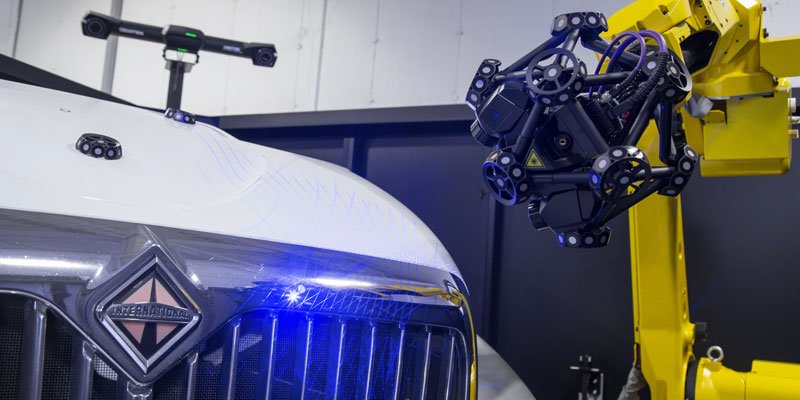
Manufacturing environments are evolving rapidly, with automation and digitalization reshaping how quality assurance is performed. Robotic inspection systems are at the forefront of this transformation, enabling factories to achieve higher throughput, consistent quality, and reduced human error. These solutions combine robotics, advanced sensors, and intelligent software to automate the inspection of parts and assemblies directly on the shop floor, minimizing downtime and manual intervention.
As production lines become more complex and demand for zero-defect manufacturing grows, businesses are seeking ways to integrate automated inspection seamlessly into their workflows. By leveraging robotics and machine vision, manufacturers can detect defects, measure dimensions, and verify product integrity in real time. This article explores the core technologies, benefits, and best practices for deploying automated quality control in industrial settings.
For organizations aiming to unify their quality data and gain actionable insights, integrating end to end quality visibility systems with automated inspection can provide a holistic view of production health and drive continuous improvement.
How Automated Inspection Works on the Factory Floor
Modern robotic inspection systems utilize a combination of robotic arms, conveyors, and machine vision cameras to inspect parts at various stages of production. These systems are programmed to perform repeatable, high-precision tasks such as dimensional measurement, surface defect detection, and assembly verification.
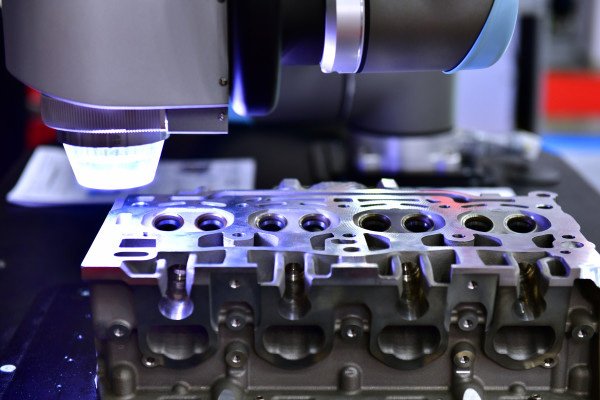
A typical setup involves a robot positioning a sensor—such as a 3D scanner or high-resolution camera—over a component. The sensor captures data, which is then analyzed by software algorithms to check for deviations from specifications. Results are logged automatically, and any out-of-tolerance parts can be flagged for removal or rework, ensuring only quality products move forward.

Key Benefits of Robotic Quality Control
Adopting automated inspection brings several advantages to manufacturing operations:
- Consistent Accuracy: Robots deliver repeatable results, reducing the risk of human error and subjectivity in inspections.
- Increased Throughput: Automated systems can inspect parts faster than manual methods, supporting higher production rates without sacrificing quality.
- Real-Time Feedback: Immediate detection of defects allows for quick corrective action, minimizing scrap and rework costs.
- Data-Driven Decisions: Inspection data is automatically collected and analyzed, enabling process optimization and predictive maintenance.
- Safer Work Environment: Robots can handle hazardous or repetitive inspection tasks, reducing risk for human workers.
These benefits make robotic inspection systems a strategic investment for manufacturers seeking to remain competitive and agile in today’s market.
Core Technologies Behind Automated Inspection
Several technologies work together to enable effective robotic quality control:
- Machine Vision: Cameras and image processing algorithms identify surface defects, missing components, or assembly errors.
- 3D Scanning: Laser or structured light scanners capture precise geometry for dimensional analysis and comparison to CAD models.
- Robotic Manipulators: Industrial robots position sensors and parts with high accuracy, enabling flexible inspection routines.
- Artificial Intelligence: AI-driven software can learn to recognize complex defect patterns and adapt to new product variants.
- Connectivity: Integration with MES and ERP systems ensures inspection data flows seamlessly across the enterprise.
The combination of these technologies allows for robust, scalable inspection solutions that can adapt to changing production needs.
Integrating Robotic Inspection with Factory Systems
For maximum value, automated inspection should be integrated with other factory systems. This enables real-time monitoring, traceability, and closed-loop feedback. For example, linking inspection data with advanced manufacturing quality analytics platforms helps teams identify trends, root causes, and opportunities for process improvement.
Additionally, connecting with next generation quality monitoring systems ensures that inspection results are visible to operators, engineers, and managers, supporting proactive decision-making and rapid response to quality issues.
Best Practices for Deploying Automated Inspection
Implementing robotic inspection systems requires careful planning and collaboration across engineering, quality, and IT teams. Consider the following best practices:
- Define Clear Objectives: Identify the most critical inspection points and quality metrics for your products.
- Start with Pilot Projects: Test the system on a single line or product family before scaling up.
- Ensure Data Integration: Connect inspection systems with your existing quality and production databases for unified reporting.
- Train Staff: Equip operators and engineers with the skills to operate, maintain, and interpret automated inspection data.
- Plan for Flexibility: Choose modular systems that can adapt to new products or production changes.
Following these guidelines helps ensure a smooth transition to automated quality control and maximizes return on investment.
Continuous Monitoring and Quality Improvement
Automated inspection is not just about catching defects—it’s a foundation for ongoing process improvement. By implementing continuous monitoring strategies, manufacturers can detect subtle shifts in process performance, anticipate equipment issues, and drive long-term quality gains.
Combining robotic inspection with quality drift detection systems and variance detection in manufacturing tools enables teams to spot trends early and take corrective action before defects reach customers.
Challenges and Considerations
While the benefits are significant, deploying automated inspection does present challenges. Initial investment costs, integration with legacy equipment, and the need for robust change management can be hurdles. Additionally, not all inspection tasks are easily automated—some complex or highly variable products may still require human oversight.
To overcome these obstacles, it’s important to work with experienced solution providers, involve stakeholders early, and maintain a focus on long-term value rather than short-term cost savings.
FAQ: Robotic Inspection in Modern Manufacturing
What types of defects can robotic inspection systems detect?
These systems can identify a wide range of issues, including dimensional inaccuracies, surface scratches, dents, missing or misaligned components, and even subtle cosmetic flaws. Advanced setups using AI can also learn to recognize new defect types over time.
How does automated inspection improve production efficiency?
By providing rapid, consistent, and objective assessments of product quality, automated inspection reduces the need for manual checks, minimizes rework and scrap, and enables faster throughput. Real-time data also allows for quicker responses to process deviations.
Can robotic inspection be used in small or medium-sized factories?
Yes, scalable solutions are available for businesses of all sizes. Modular systems can be tailored to specific production lines or product types, making automated inspection accessible even for smaller operations looking to enhance their quality control.
Is it possible to integrate automated inspection with existing quality management systems?
Most modern robotic inspection platforms are designed with connectivity in mind. They can share data with MES, ERP, and other quality management tools, supporting unified reporting and traceability across the organization.
Robotic inspection systems are transforming how manufacturers approach quality assurance. By combining advanced sensing, robotics, and intelligent analytics, these solutions deliver measurable improvements in accuracy, efficiency, and process control—helping factories meet the demands of modern industry.