
The manufacturing sector is undergoing a significant transformation as digital technologies reshape how products are designed, produced, and delivered. At the heart of this evolution are smart factory quality systems, which leverage automation, real-time data, and advanced analytics to ensure consistent product quality and operational efficiency. These systems are integral to the success of next-generation manufacturing, enabling organizations to adapt quickly to market demands while maintaining rigorous standards.
As factories become more connected and intelligent, the role of quality management shifts from reactive inspection to proactive, data-driven control. By integrating sensors, machine learning, and cloud-based platforms, manufacturers can monitor every stage of production, detect issues early, and drive continuous improvement. This guide explores the core components, benefits, and implementation strategies for modern quality solutions in smart manufacturing environments.

For organizations seeking to scale their quality initiatives across global operations, exploring robust enterprise quality management systems can provide a strong foundation for digital transformation.
Key Components of Digital Quality Management in Manufacturing
Modern production environments rely on a combination of hardware and software to deliver superior quality outcomes. The following elements are central to effective quality management in smart factories:
- Connected Sensors and IoT Devices: These capture real-time data on variables such as temperature, pressure, and vibration, allowing for immediate detection of deviations.
- Automated Inspection Systems: Machine vision and robotics enable high-speed, non-contact inspection of products, reducing human error and increasing throughput.
- Centralized Data Platforms: Cloud-based solutions aggregate and analyze quality data from multiple sources, providing a single source of truth for decision-makers.
- Predictive Analytics: Advanced algorithms identify patterns and predict potential failures before they occur, supporting preventive maintenance and process optimization.
- Integrated Feedback Loops: Real-time alerts and automated adjustments ensure that quality issues are addressed immediately, minimizing waste and rework.

How Smart Factory Quality Systems Drive Operational Excellence
Embracing digital quality management brings a range of operational benefits. Manufacturers can expect to see improvements in several key areas:
- Faster Issue Detection: Automated monitoring identifies quality deviations in real time, allowing for immediate corrective action.
- Reduced Defects and Waste: By catching problems early, companies minimize scrap and rework, leading to cost savings and higher yield.
- Consistent Product Quality: Standardized processes and automated inspections ensure that every product meets specifications, enhancing customer satisfaction.
- Regulatory Compliance: Digital records and traceability simplify audits and help organizations meet industry standards.
- Continuous Improvement: Data-driven insights support ongoing process refinement, driving innovation and competitiveness.
For a deeper dive into quality control strategies tailored for smart manufacturing, see the comprehensive guide to quality control for smart factories.
Integrating Advanced Analytics and AI in Quality Management
A defining feature of next-generation manufacturing is the use of artificial intelligence and advanced analytics to enhance quality outcomes. These technologies enable manufacturers to move beyond traditional inspection methods and adopt predictive, adaptive approaches.
Machine learning algorithms analyze vast amounts of production data to identify subtle trends and correlations that may indicate emerging quality issues. By leveraging these insights, teams can implement targeted process changes, optimize equipment settings, and even automate root cause analysis.
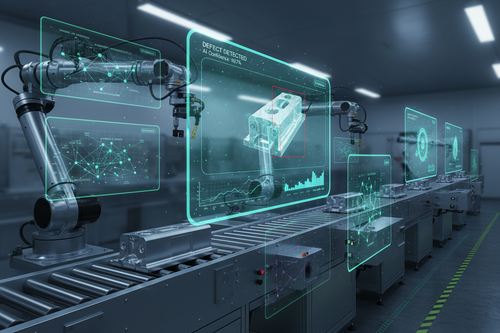
Computer vision, a subset of AI, is particularly valuable for visual inspection tasks. It enables rapid, objective evaluation of products, catching defects that might be missed by human inspectors. For organizations interested in leveraging analytics for smarter decision-making, exploring advanced manufacturing quality analytics can provide actionable insights.
Real-Time Monitoring and Proactive Quality Control
One of the most significant shifts enabled by digital quality systems is the transition from reactive to proactive management. Instead of waiting for defects to be discovered at the end of the line, manufacturers can now monitor processes in real time and intervene before problems escalate.
Real-time dashboards and alerts empower operators and managers to respond quickly to anomalies, reducing downtime and protecting product integrity. This approach not only improves efficiency but also supports a culture of continuous improvement.
For more on how real-time monitoring underpins proactive quality management, see this resource on the importance of real-time monitoring in quality management.
Implementing Digital Quality Solutions: Best Practices
Transitioning to a digital quality framework requires careful planning and execution. Here are some best practices to ensure a successful rollout:
- Assess Current Processes: Map existing workflows and identify areas where automation and data collection can add value.
- Start with Pilot Projects: Test new technologies on a small scale before expanding to the entire operation.
- Ensure Data Integration: Connect quality systems with other enterprise platforms, such as ERP and MES, for seamless information flow.
- Train Staff: Equip employees with the skills needed to operate and interpret digital quality tools.
- Monitor and Iterate: Use performance data to refine processes and drive continuous improvement.
For organizations seeking a holistic view of their production quality, solutions that offer end to end quality visibility systems can provide comprehensive oversight across the entire manufacturing lifecycle.
Future Trends in Quality Management for Smart Manufacturing
As technology continues to advance, the capabilities of digital quality systems will expand even further. Key trends to watch include:
- Edge Computing: Processing data closer to the source enables faster decision-making and reduces latency.
- Collaborative Robots (Cobots): These work alongside humans to perform complex inspection tasks, combining the strengths of both.
- Blockchain for Traceability: Distributed ledgers enhance transparency and trust in supply chain quality data.
- Self-Optimizing Production Lines: AI-driven systems that automatically adjust parameters to maintain optimal quality.
To stay ahead, manufacturers should continually evaluate emerging technologies and be prepared to adapt their quality strategies. For those interested in the latest monitoring solutions, next generation quality monitoring systems offer insights into the future of factory oversight.
FAQ
What are the main benefits of adopting digital quality systems in manufacturing?
Implementing digital quality solutions leads to faster detection of defects, reduced waste, consistent product quality, and easier compliance with regulations. These systems also support continuous improvement by providing actionable data and insights.
How do smart factory quality systems differ from traditional quality control?
Traditional quality control often relies on manual inspections and after-the-fact corrections. In contrast, digital systems use real-time data, automation, and analytics to detect and address issues proactively, minimizing downtime and improving efficiency.
What challenges should manufacturers expect when transitioning to digital quality management?
Common challenges include integrating new technologies with legacy systems, ensuring data accuracy, training staff, and managing change across the organization. Starting with pilot projects and focusing on data integration can help ease the transition.