

In today’s competitive industrial environment, standard operating procedures in manufacturing play a pivotal role in ensuring consistent quality, safety, and efficiency across production lines. These documented instructions help teams perform tasks the right way, every time, reducing errors and supporting regulatory compliance. For manufacturers aiming to boost productivity and minimize waste, well-crafted SOPs are not just a formality—they’re a foundation for operational excellence.
Establishing clear, practical procedures is also a key strategy for those seeking how to reduce production waste and improve overall efficiency. By standardizing processes, organizations can identify bottlenecks, streamline training, and support continuous improvement initiatives.
Understanding SOPs in the Manufacturing Sector
Standard operating procedures, often referred to as SOPs, are step-by-step written instructions that describe how to perform routine activities. In manufacturing, these documents are vital for maintaining product quality, ensuring worker safety, and meeting industry regulations. SOPs cover a wide range of operations—from equipment setup and maintenance to quality control checks and emergency protocols.
The primary purpose of SOPs is to create a uniform approach to tasks, so every operator or technician follows the same process. This consistency is crucial for industries where even minor deviations can lead to costly defects, downtime, or compliance issues.

Key Benefits of Documented Procedures on the Shop Floor
Implementing standard operating procedures in manufacturing brings several significant advantages:
- Improved Quality Control: SOPs ensure that every product is made to the same specifications, reducing variability and defects.
- Enhanced Safety: Clear instructions help workers avoid hazards and follow safety protocols, minimizing accidents and injuries.
- Faster Training: New employees can learn tasks more quickly with step-by-step guides, reducing onboarding time and mistakes.
- Regulatory Compliance: Many industries require documented procedures to meet legal and certification standards.
- Greater Efficiency: By eliminating guesswork and standardizing best practices, SOPs help teams work faster and more effectively.
- Continuous Improvement: SOPs provide a baseline for measuring performance and identifying areas for process optimization.
Developing Effective SOPs for Manufacturing Operations
Creating useful and practical procedures requires more than just documenting existing habits. To develop SOPs that truly add value, manufacturers should follow a structured approach:
- Identify Critical Processes: Focus on tasks that impact quality, safety, or efficiency. This could include machine operation, maintenance routines, material handling, or inspection steps.
- Engage Frontline Employees: Involve operators, technicians, and supervisors in drafting and reviewing procedures. Their insights ensure instructions are realistic and easy to follow.
- Use Clear, Concise Language: Avoid jargon and keep instructions straightforward. Include diagrams or photos where helpful.
- Test and Validate: Pilot new SOPs with a small group to confirm clarity and effectiveness. Revise as needed based on feedback.
- Regularly Review and Update: Manufacturing environments change, so procedures should be reviewed periodically to stay current with new equipment, regulations, or best practices.
Best Practices for Implementing SOPs on the Production Line
Even the best-written procedures are only effective if they’re used consistently. Here are some proven strategies for successful SOP implementation:
- Make SOPs Accessible: Store documents in locations that are easy for workers to reach—whether as printed manuals, digital files on tablets, or posted at workstations.
- Train and Retrain: Conduct hands-on training sessions to ensure everyone understands the procedures. Refresher courses help reinforce compliance.
- Monitor Adherence: Supervisors should observe processes and provide feedback to ensure SOPs are being followed.
- Encourage Feedback: Create a culture where employees can suggest improvements to procedures without hesitation.
- Leverage Technology: Digital SOP platforms can streamline updates, track usage, and integrate with other production systems for greater efficiency.
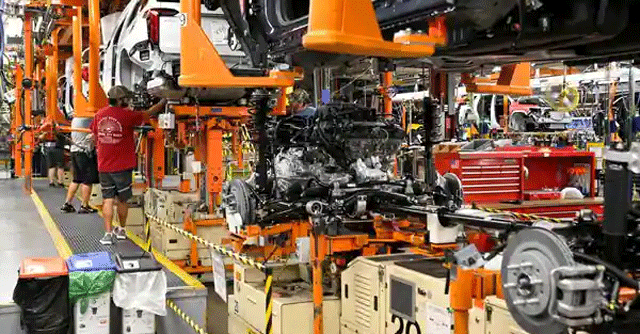
How SOPs Drive Efficiency and Reduce Waste
Well-structured procedures are a cornerstone for manufacturers looking to boost productivity and minimize unnecessary costs. By standardizing tasks, companies can:
- Reduce Rework: Fewer mistakes mean less time and material spent correcting errors.
- Streamline Workflows: Clearly defined steps eliminate confusion and delays, keeping production moving smoothly.
- Support Lean Initiatives: SOPs make it easier to identify inefficiencies and implement lean manufacturing principles.
For more insights on optimizing production, explore ways to increase manufacturing efficiency and discover actionable strategies to maximize output.
Integrating SOPs With Digital Tools and Industry 4.0
As manufacturing embraces digital transformation, integrating procedures with modern technology offers new opportunities. Digital SOPs can be updated in real time, accessed from mobile devices, and linked to machine data for automated compliance checks. This not only improves accessibility but also enables data-driven decision-making.
For example, connecting SOPs to production monitoring systems can help teams quickly identify deviations and take corrective action. Manufacturers interested in advanced approaches can learn more about improving production line efficiency with digital solutions.
Maintaining and Auditing Manufacturing Procedures
Ongoing maintenance of documented processes is essential for long-term success. Regular audits ensure that procedures remain relevant and effective as equipment, materials, or regulations change. Auditing SOPs also helps identify gaps or outdated steps that could impact quality or safety.
Involving cross-functional teams in audits encourages a broader perspective and supports a culture of continuous improvement. This proactive approach keeps manufacturing operations aligned with business goals and industry standards.
Frequently Asked Questions
What should be included in a manufacturing SOP?
A comprehensive SOP should outline the purpose of the process, required materials and equipment, step-by-step instructions, safety precautions, quality checks, and troubleshooting tips. Visual aids like diagrams or photos can enhance clarity.
How often should manufacturing SOPs be reviewed?
It’s best practice to review procedures at least annually, or whenever there are significant changes to equipment, materials, regulations, or production methods. Regular reviews help ensure ongoing relevance and effectiveness.
How can SOPs help reduce production waste?
By standardizing processes, SOPs minimize errors and variability, leading to fewer defects and less rework. This directly reduces wasted materials and time, supporting more efficient and sustainable operations.
Are digital SOPs better than paper-based ones?
Digital SOPs offer advantages such as easier updates, instant access, and integration with other systems. However, the best format depends on the facility’s needs, workforce skills, and available technology.
For further reading on process optimization and best practices, consider exploring production efficiency best practices and real-world defect detection success stories using AI.