
The demand for high-quality steel products has never been greater, and heavy mills face increasing pressure to deliver consistent results. Steel industry quality monitoring systems have become essential for ensuring product integrity, optimizing production, and meeting strict regulatory requirements. These sophisticated solutions provide real-time insights into every stage of the manufacturing process, helping mills reduce waste, improve efficiency, and maintain a competitive edge.
As steel manufacturing grows more complex, the need for advanced monitoring and analytics becomes even more critical. Integrating digital quality management tools allows mills to detect defects early, track process deviations, and implement corrective actions before issues escalate. For organizations operating at scale, adopting enterprise quality management systems can further enhance oversight and streamline compliance across multiple sites.
Understanding Quality Monitoring in Steel Manufacturing
Quality assurance in steel production involves more than just end-product inspection. Modern mills rely on continuous monitoring systems that gather data from sensors, cameras, and automation equipment throughout the entire process. These systems track variables such as temperature, thickness, surface finish, and chemical composition, ensuring that each batch meets precise specifications.
By leveraging quality monitoring systems for steel mills, manufacturers can identify trends, predict potential failures, and make data-driven decisions. This proactive approach minimizes costly rework, reduces downtime, and supports continuous improvement initiatives.
Key Components of Steel Industry Quality Monitoring Systems
A robust monitoring setup for heavy mills typically includes several integrated technologies:
- Sensor Networks: Deployed across production lines to capture real-time measurements of critical parameters.
- Machine Vision: High-resolution cameras and image processing algorithms detect surface defects, cracks, and inclusions.
- Data Analytics Platforms: Advanced software analyzes collected data, flags anomalies, and generates actionable reports.
- Automated Feedback Loops: Systems that automatically adjust process settings based on live data to maintain quality targets.
Benefits of Real-Time Quality Monitoring for Heavy Mills
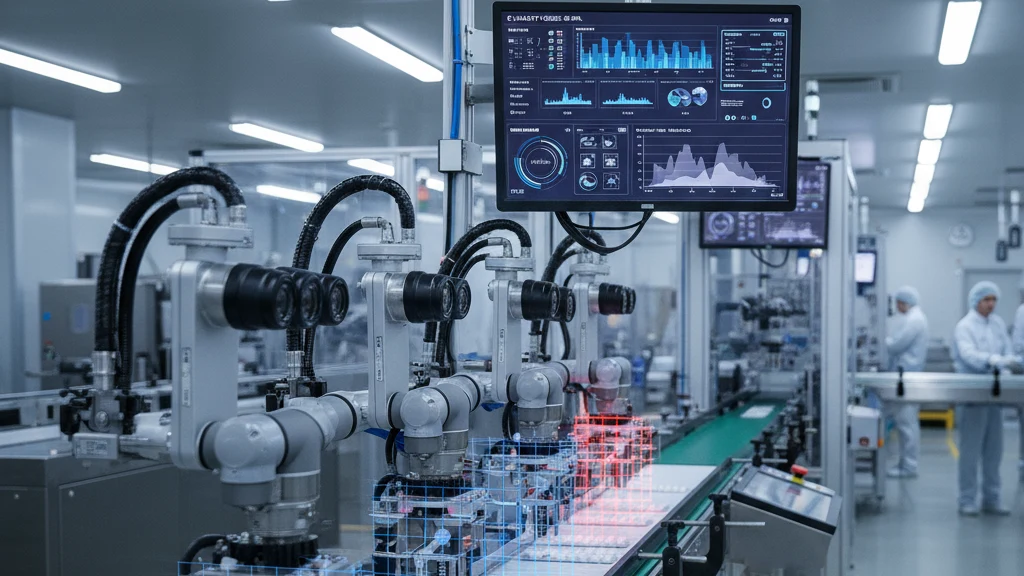
Implementing real-time monitoring delivers substantial advantages for steel producers:
- Early Defect Detection: Identifies issues as soon as they arise, preventing defective material from advancing through the line.
- Reduced Scrap and Rework: By catching problems early, mills can minimize waste and lower production costs.
- Improved Process Control: Continuous feedback allows operators to fine-tune parameters and maintain optimal conditions.
- Regulatory Compliance: Automated documentation and traceability simplify audits and help meet industry standards.
- Enhanced Customer Satisfaction: Consistent quality builds trust and strengthens relationships with clients.
For a deeper dive into how real-time monitoring can transform manufacturing, see this overview of real-time production monitoring benefits.
How Digitalization is Transforming Quality Assurance
The digital transformation of the steel sector is reshaping traditional quality assurance methods. Today’s steel industry quality monitoring systems leverage artificial intelligence, machine learning, and cloud connectivity to deliver unprecedented visibility and control. These technologies enable predictive maintenance, automated root cause analysis, and seamless integration with enterprise resource planning (ERP) systems.
Digital quality management also supports remote monitoring, allowing experts to oversee multiple facilities from a central location. This not only improves operational efficiency but also helps mills respond quickly to emerging challenges.
Integrating Quality Monitoring with Advanced Analytics
Data is at the heart of effective quality management. By combining monitoring systems with advanced manufacturing quality analytics, mills can unlock deeper insights into process performance and product outcomes. Analytics platforms help teams spot patterns, identify root causes, and prioritize improvement opportunities.
Some of the most valuable analytics applications in steel production include:
- Variance Detection: Quickly spotting deviations from standard process parameters to prevent off-spec production.
- Predictive Quality: Using historical data to forecast potential defects and intervene proactively.
- Yield Optimization: Analyzing process efficiency to maximize output and minimize losses.
For more on how analytics can enhance process oversight, explore solutions for variance detection in manufacturing.
Best Practices for Implementing Quality Monitoring in Steel Mills
Adopting a comprehensive monitoring solution requires careful planning and execution. Here are some best practices for heavy mills:
- Define Clear Objectives: Establish what you want to achieve—whether it’s reducing defects, improving traceability, or increasing throughput.
- Assess Existing Infrastructure: Evaluate current sensors, data systems, and automation to identify integration points.
- Choose Scalable Technologies: Select monitoring tools that can grow with your operations and adapt to changing requirements.
- Train Personnel: Ensure operators and quality teams are equipped to interpret data and respond to alerts effectively.
- Monitor and Refine: Continuously review system performance and adjust strategies based on real-world results.
For organizations seeking a holistic approach, end to end quality visibility systems can provide unified oversight from raw materials to finished goods.
Future Trends in Steel Quality Monitoring
The landscape of quality assurance in steel manufacturing is rapidly evolving. Key trends shaping the future include:
- AI-Powered Inspection: Machine learning algorithms are becoming more adept at detecting subtle defects and predicting failures.
- IoT Integration: Connected devices enable real-time data sharing across the entire supply chain.
- Cloud-Based Platforms: Centralized data storage and analytics facilitate collaboration and benchmarking across sites.
- Automated Decision-Making: Advanced systems can autonomously adjust process parameters to maintain quality without human intervention.
As these innovations mature, mills that invest in cutting-edge monitoring solutions will be better positioned to meet rising quality expectations and regulatory demands.
FAQ: Steel Quality Monitoring in Heavy Mills
What are the main challenges in steel quality monitoring?
Heavy mills often struggle with integrating legacy equipment, managing large volumes of data, and ensuring real-time response to quality issues. Modern monitoring systems address these challenges by providing unified platforms that connect sensors, automate data analysis, and deliver actionable insights.
How do monitoring systems improve compliance?
Automated quality systems generate detailed records of each production run, making it easier to demonstrate compliance with industry standards and customer requirements. They also support traceability, allowing mills to quickly identify the source of any quality issues.
Can quality monitoring systems be customized for different mill types?
Yes, most modern solutions are modular and can be tailored to the specific needs of various steel production processes, including hot rolling, cold rolling, and finishing lines. Customization ensures that each mill receives the right level of oversight and control.
How do these systems support continuous improvement?
By collecting and analyzing process data over time, monitoring platforms help mills identify recurring issues, evaluate the effectiveness of corrective actions, and drive ongoing quality improvements.
Conclusion
Adopting advanced steel industry quality monitoring systems is no longer optional for heavy mills aiming to compete in today’s demanding market. These solutions deliver real-time oversight, reduce operational risks, and support continuous improvement at every stage of production. As technology evolves, integrating monitoring with analytics and automation will become the standard for achieving world-class steel quality.