
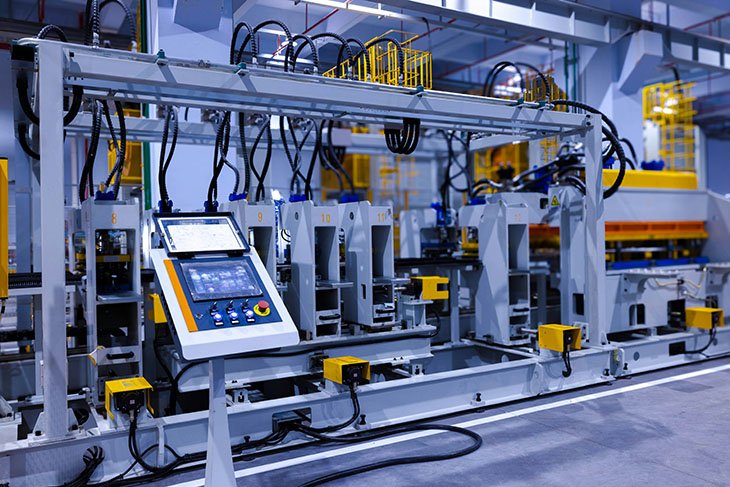
Achieving exceptional fabric quality is fundamental in the textile industry. From fashion to technical textiles, manufacturers face increasing demands for consistency, durability, and visual perfection. Textile manufacturing quality control is the backbone that ensures fabrics meet stringent standards and customer expectations. This process involves a blend of traditional inspection, advanced analytics, and real-time monitoring, all working together to detect and prevent defects before products reach the market.
Modern textile production is highly complex, with multiple stages—spinning, weaving, dyeing, finishing—each presenting unique quality challenges. Even minor flaws can lead to costly waste, brand reputation damage, or product recalls. As a result, manufacturers are investing in smarter systems and digital tools to streamline inspection and maintain high standards. For organizations operating at scale, integrating enterprise quality management systems can provide the visibility and control needed to stay ahead in a competitive market.
Key Elements of Quality Control in Textile Production
Effective quality management in textiles is not a single-step process. It involves a series of checks and controls at every stage of production. Here are the main components that contribute to flawless fabric output:
- Raw Material Inspection: Ensuring fibers, yarns, and dyes meet specifications before entering the production line.
- In-Process Monitoring: Continuous checks during spinning, weaving, and dyeing to catch issues early.
- Finished Goods Testing: Comprehensive evaluation of color fastness, strength, dimensional stability, and appearance.
- Documentation and Traceability: Maintaining records for every batch to enable root cause analysis and compliance.
Each of these steps is critical for preventing defects and ensuring that only top-quality fabrics reach customers.
Modern Approaches to Textile Manufacturing Quality Control
Traditional manual inspection methods are being supplemented—and in some cases replaced—by advanced technologies. Automated systems, artificial intelligence, and data analytics are transforming how manufacturers detect and address quality issues.
Automated Inspection Systems
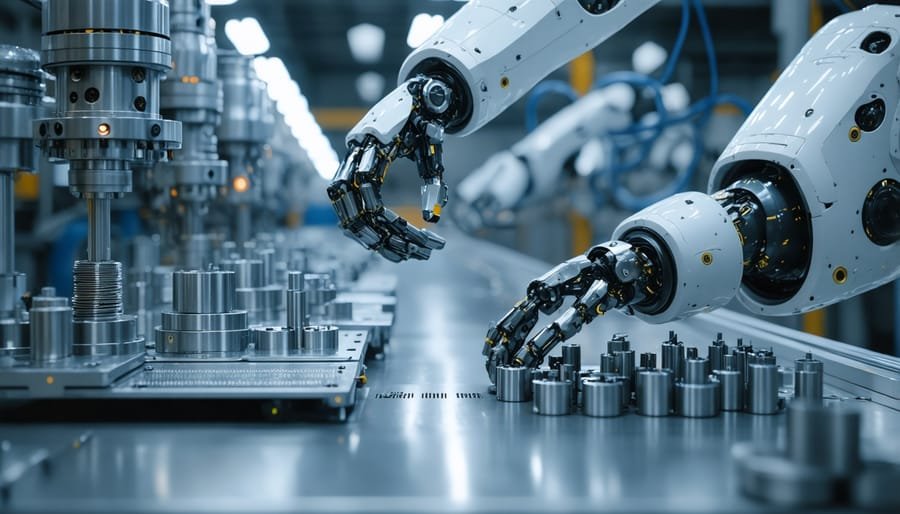
Automated inspection uses high-resolution cameras and sensors to scan fabrics for defects such as holes, stains, or misweaves. These systems can operate at high speeds, providing real-time feedback to operators and reducing the risk of human error. By integrating textile manufacturing quality control solutions with production lines, manufacturers can quickly identify and remove defective materials, minimizing waste.
Data-Driven Quality Analytics
Collecting and analyzing production data allows for proactive quality management. Advanced analytics platforms can identify patterns, predict potential issues, and suggest process improvements. For organizations seeking to optimize their operations, adopting advanced manufacturing quality analytics can help teams make smarter, data-backed decisions.
Real-Time Monitoring and Proactive Management
Continuous monitoring is essential for maintaining high standards. Real-time dashboards and alerts enable operators to respond immediately to deviations, preventing minor issues from escalating. For a deeper dive into the benefits of live data, explore real-time monitoring as the key to proactive quality management.
Common Defects and How to Prevent Them
Despite best efforts, defects can still occur in textile production. Understanding the most frequent issues and their causes is vital for prevention.
- Yarn Irregularities: Variations in yarn thickness can lead to uneven fabric texture. Regular calibration and raw material checks help reduce this risk.
- Color Inconsistencies: Dyeing errors may result in shade variation. Automated color measurement and strict process controls are effective countermeasures.
- Weaving and Knitting Flaws: Broken threads, missed stitches, or pattern misalignment are often caught by automated inspection systems.
- Contamination: Foreign particles or stains can be minimized through cleanroom practices and regular equipment maintenance.
By implementing robust quality control protocols at every stage, manufacturers can significantly reduce the occurrence of these defects.

Integrating Digital Tools for Smarter Quality Management
Digital transformation is reshaping how textile companies approach quality. By leveraging connected systems and smart sensors, manufacturers gain end-to-end visibility across the supply chain. Solutions such as end to end quality visibility systems enable teams to track every batch, identify bottlenecks, and ensure compliance with industry standards.
Smart factories are increasingly adopting quality control for smart factories to automate inspections, streamline reporting, and facilitate continuous improvement. These innovations not only boost efficiency but also empower teams to deliver consistently high-quality products.
Best Practices for Achieving Consistent Fabric Quality
To maintain a reputation for excellence, textile manufacturers should follow these best practices:
- Standardize Procedures: Develop clear, documented protocols for every process step, from raw material intake to final inspection.
- Invest in Training: Regularly train staff on new technologies, quality standards, and troubleshooting techniques.
- Leverage Technology: Implement automated inspection, real-time monitoring, and analytics platforms for better oversight.
- Foster a Quality Culture: Encourage all employees to take ownership of quality and report issues proactively.
- Continuous Improvement: Use data-driven insights to refine processes, reduce waste, and enhance product consistency.
By embedding these practices into daily operations, manufacturers can consistently deliver fabrics that meet or exceed customer expectations.
Emerging Trends in Quality Control for Textiles
The future of textile quality management is being shaped by several key trends:
- Artificial Intelligence: AI-powered vision systems are improving defect detection accuracy and speed.
- Internet of Things (IoT): Connected sensors provide real-time data from every stage of production, enabling predictive maintenance and faster response to issues.
- Sustainability Initiatives: Quality control is increasingly linked to environmental goals, with a focus on reducing waste and ensuring responsible sourcing.
- Cloud-Based Platforms: Centralized data storage and analytics facilitate collaboration and transparency across global supply chains.
Staying ahead of these trends allows textile companies to remain competitive and responsive to changing market demands.
FAQ
What are the main benefits of implementing advanced quality control in textile manufacturing?
Adopting advanced quality control systems leads to fewer defects, reduced waste, improved customer satisfaction, and stronger brand reputation. Automated and data-driven approaches also enable faster detection and correction of issues, resulting in more efficient production.
How does real-time monitoring improve fabric quality?
Real-time monitoring provides immediate feedback on production parameters, allowing operators to address deviations as soon as they occur. This proactive approach minimizes the risk of defects and helps maintain consistent fabric quality throughout the manufacturing process.
What role does staff training play in textile quality management?
Well-trained staff are essential for effective quality control. Training ensures employees understand inspection protocols, can operate modern equipment, and are empowered to identify and report quality issues. Ongoing education also helps teams stay current with industry best practices and technological advancements.