
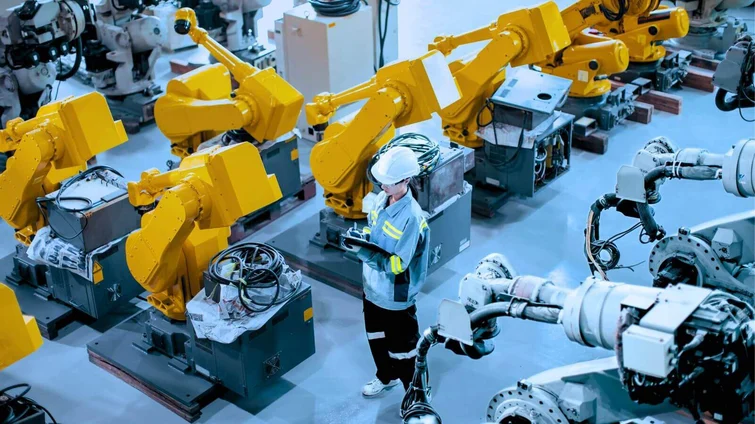
Improving manufacturing efficiency is a top priority for organizations aiming to boost quality, reduce costs, and stay competitive. Whether you operate a large-scale factory or a small workshop, understanding how to optimize production processes can unlock significant gains in productivity and profitability. This guide explores proven strategies, tools, and best practices that help streamline workflows, minimize waste, and ensure consistent output.
Modern production environments face challenges such as fluctuating demand, supply chain disruptions, and evolving technology. By focusing on continuous improvement and leveraging data-driven insights, businesses can adapt quickly and achieve better outcomes. For those interested in advanced manufacturing technologies, exploring vision transformers for industrial use offers insight into next-generation solutions that support smarter production lines.
Key Principles for Streamlining Manufacturing Operations
Achieving operational excellence requires a clear understanding of the core principles that drive process optimization. These principles serve as the foundation for any improvement initiative and guide decision-making at every level.
- Standardization: Establishing clear procedures and work instructions reduces variability and ensures consistent product quality.
- Continuous Improvement (Kaizen): Encourage regular evaluation and incremental changes to eliminate inefficiencies.
- Waste Reduction: Identify and remove non-value-added activities, such as excess motion, waiting times, and overproduction.
- Employee Involvement: Engage team members in problem-solving and empower them to suggest improvements.
- Data-Driven Decision Making: Use real-time metrics and analytics to monitor performance and guide actions.
Analyzing and Mapping Current Workflows
Before implementing changes, it’s essential to gain a detailed understanding of existing processes. Mapping out workflows helps pinpoint bottlenecks, redundancies, and areas for improvement.
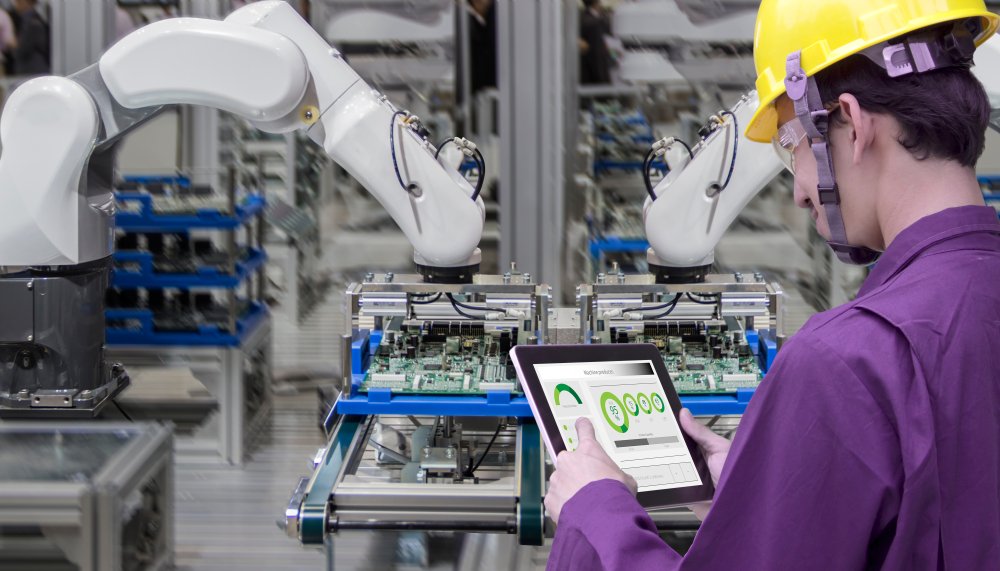
Common tools for this stage include:
- Value Stream Mapping (VSM): Visualizes the flow of materials and information, highlighting delays and waste.
- Process Flowcharts: Break down each step, making it easier to identify unnecessary complexity.
- Root Cause Analysis: Techniques like the “5 Whys” or Fishbone Diagram help uncover underlying issues.
By documenting and analyzing current workflows, organizations can set a solid baseline for measuring future improvements.
Leveraging Technology to Enhance Production Efficiency
Digital transformation is reshaping the way manufacturers approach process optimization. Integrating smart technologies can deliver real-time insights, automate repetitive tasks, and support predictive maintenance.
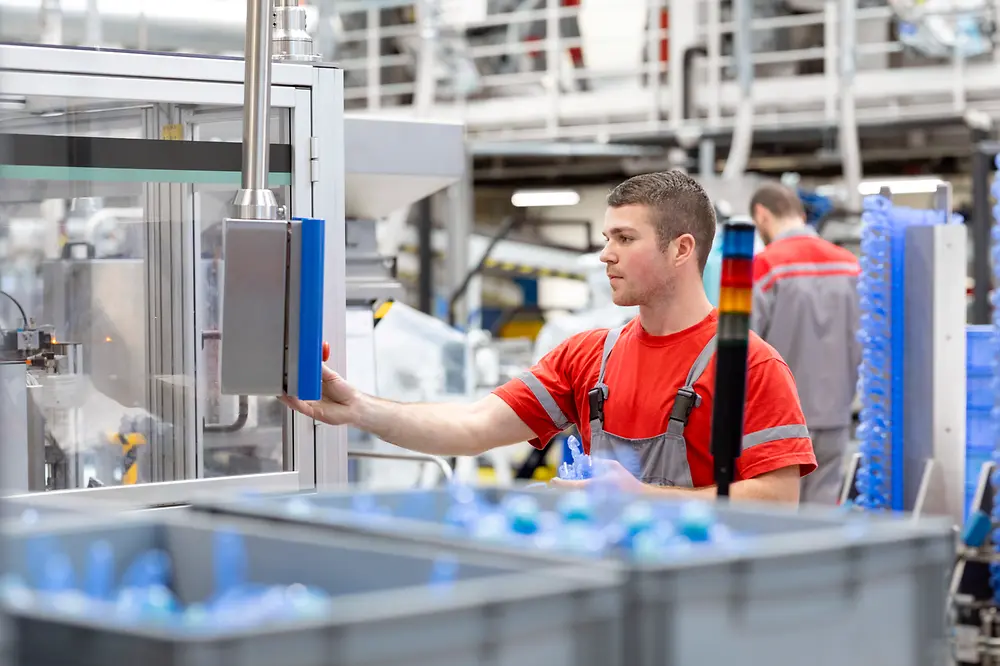
Some effective technologies for optimizing production include:
- Industrial IoT (IIoT): Sensors and connected devices collect data on machine performance, enabling predictive maintenance and reducing downtime.
- Manufacturing Execution Systems (MES): Software platforms that track and document the transformation of raw materials to finished goods in real time.
- Artificial Intelligence (AI): AI-powered inspection and quality control systems can detect defects early, improving yield and reducing waste. For more on this, see retraining strategies for AI inspection.
- Automation and Robotics: Automating repetitive or hazardous tasks increases speed and safety.
Embracing these technologies not only streamlines operations but also provides the flexibility needed to adapt to changing market demands.
Best Practices for Sustained Process Improvement
Sustaining gains in production efficiency requires a structured approach and ongoing commitment. The following best practices can help maintain momentum and foster a culture of excellence:
- Set Clear Objectives: Define measurable goals for quality, cost, and delivery.
- Monitor Key Performance Indicators (KPIs): Track metrics such as cycle time, defect rates, and equipment utilization to assess progress.
- Encourage Cross-Functional Collaboration: Involve teams from engineering, quality, and operations to ensure all perspectives are considered.
- Invest in Training: Regularly upskill employees to keep pace with new technologies and methodologies.
- Review and Refine: Schedule periodic audits and reviews to identify new opportunities for improvement.
Organizations that consistently apply these practices are better positioned to achieve lasting improvements and respond effectively to new challenges.
Reducing Downtime and Maintenance-Related Delays
Equipment failures and unplanned maintenance can disrupt production schedules and increase costs. Implementing a proactive maintenance strategy is essential for minimizing these risks.
Predictive maintenance, powered by IIoT and analytics, allows teams to address potential issues before they cause breakdowns. For a deeper dive into this approach, see how maintenance can increase production efficiency.
Additional tips for reducing downtime include:
- Standardize Maintenance Procedures: Ensure all technicians follow the same protocols to reduce errors.
- Maintain Spare Parts Inventory: Keep critical components on hand to speed up repairs.
- Schedule Regular Inspections: Routine checks help catch wear and tear early.
Ensuring Traceability and Quality Control
Maintaining high standards of quality and traceability is crucial for customer satisfaction and regulatory compliance. Modern production systems often integrate traceability solutions that track materials and components from raw input to finished product.
Implementing robust quality control measures, such as automated inspection and real-time monitoring, helps catch defects early and reduce rework. For more on this topic, explore traceability in AI-driven manufacturing.
Frequently Asked Questions
What are the first steps to improving production efficiency?
Start by mapping your current processes and identifying bottlenecks. Engage employees in brainstorming sessions, collect data on performance, and prioritize areas with the most significant impact. Setting clear goals and tracking progress with KPIs will help guide your efforts.
How can technology help streamline manufacturing processes?
Technologies such as IIoT, MES, and AI-powered inspection systems provide real-time data, automate repetitive tasks, and enable predictive maintenance. These tools help reduce downtime, improve quality, and support agile decision-making.
Why is employee involvement important in process optimization?
Employees are often closest to the day-to-day operations and can offer valuable insights into inefficiencies and improvement opportunities. Involving them fosters a culture of continuous improvement and increases buy-in for new initiatives.