
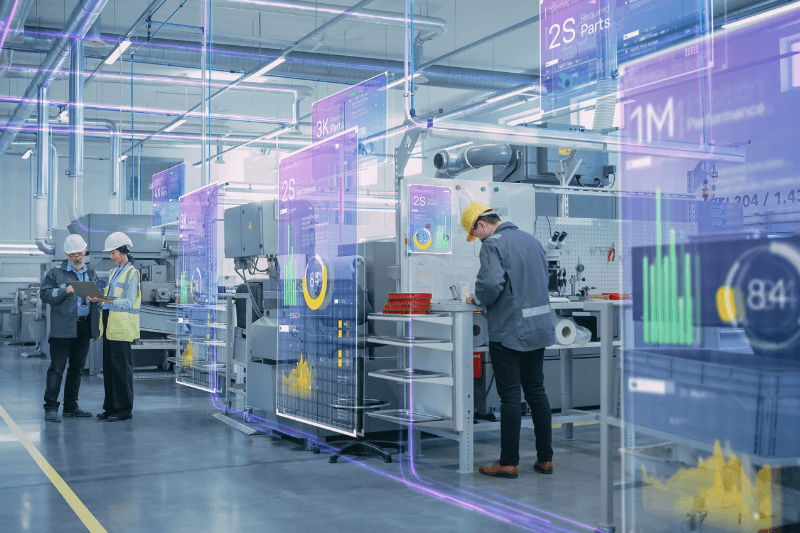
In today’s competitive manufacturing landscape, increasing operational efficiency and productivity is more important than ever. Companies are constantly searching for reliable methods to boost factory efficiency to reduce costs, improve output, and maintain high-quality standards. From embracing digital transformation to optimizing workforce training, there are numerous strategies that can help factories achieve these goals.
As technology evolves, so do the opportunities for manufacturers to streamline processes and eliminate waste. This article explores practical approaches that can make a measurable difference on the factory floor. For organizations interested in leveraging the latest advancements in industrial AI, exploring vision transformers for industrial use can provide valuable insights into next-generation automation and inspection solutions.
Embracing Digital Transformation in Manufacturing
One of the most effective ways to improve productivity is through digital transformation. Integrating smart technologies, such as Industrial Internet of Things (IIoT), machine learning, and advanced analytics, enables real-time monitoring and data-driven decision-making. These tools provide actionable insights into equipment performance, bottlenecks, and quality control, allowing manufacturers to address issues proactively.
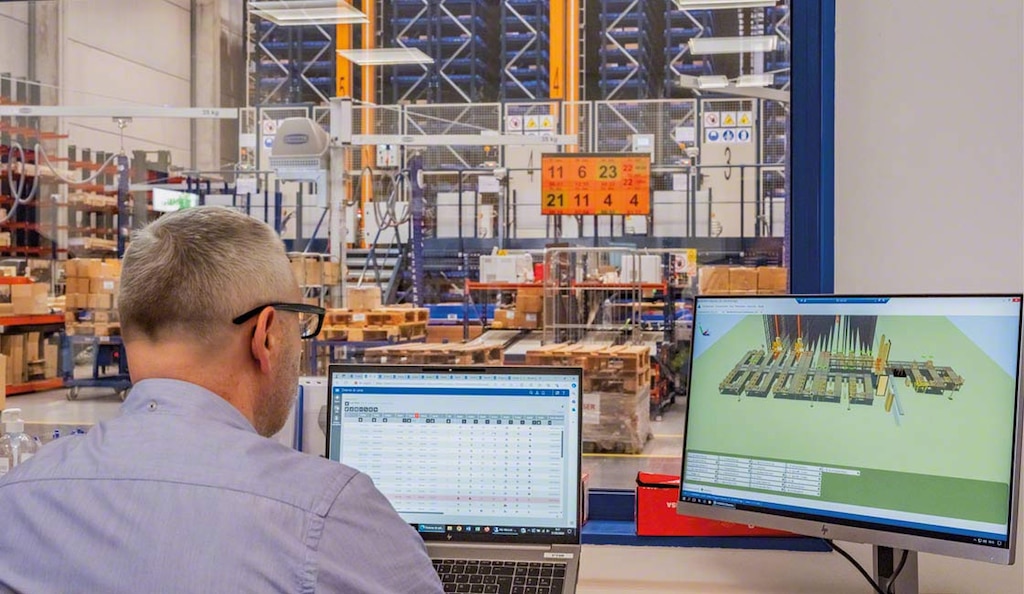
For example, predictive maintenance systems can alert teams to potential equipment failures before they occur, minimizing unplanned downtime. Similarly, digital twins—virtual replicas of physical assets—allow for simulation and optimization of production processes without disrupting actual operations.
By adopting these digital tools, factories can not only increase throughput but also enhance product quality and reduce operational costs. The journey toward a smart manufacturing environment starts with evaluating current processes and identifying areas where technology can deliver the most value.
Optimizing Workflow and Layout for Enhanced Productivity
Factory layout and workflow design play a crucial role in overall efficiency. Streamlining the movement of materials, minimizing unnecessary handling, and arranging workstations logically can significantly reduce cycle times and improve safety.
- Value Stream Mapping: This lean manufacturing technique helps visualize every step in the production process, identifying waste and opportunities for improvement.
- Cellular Manufacturing: Grouping machines and processes into cells for specific product families reduces transport time and increases flexibility.
- 5S Methodology: Implementing Sort, Set in order, Shine, Standardize, and Sustain ensures a clean, organized, and efficient workspace.
Regularly reviewing and updating the factory layout in response to changing production needs ensures that resources are always used optimally.
Leveraging Automation and Robotics
Automation is a cornerstone of modern manufacturing efficiency. By automating repetitive or hazardous tasks, factories can achieve higher consistency, reduce errors, and free up human workers for more complex activities.

Collaborative robots (cobots) are increasingly popular for their ability to work safely alongside humans, handling tasks such as assembly, packaging, and inspection. Automated guided vehicles (AGVs) can transport materials throughout the facility, reducing manual labor and speeding up logistics.
The integration of automation should be approached strategically. Start by identifying processes with high error rates or labor costs, and consider phased implementation to minimize disruption. For more advanced quality control, manufacturers may benefit from exploring retraining strategies for AI inspection to keep automated systems accurate and reliable.
Continuous Improvement and Lean Manufacturing Techniques
Adopting a culture of continuous improvement is essential for sustaining high levels of productivity. Lean manufacturing principles focus on eliminating waste, improving flow, and delivering greater value to customers.
- Kaizen: Encourages all employees to suggest and implement small, incremental changes that add up to significant improvements over time.
- Just-in-Time (JIT): Reduces inventory costs and ensures materials are available exactly when needed, minimizing storage and handling.
- Standard Work: Establishes best practices for each task, ensuring consistency and making it easier to identify deviations.
Regular training and open communication channels empower staff to participate in improvement initiatives. Tracking key performance indicators (KPIs) such as cycle time, defect rates, and equipment uptime helps measure progress and maintain momentum.
Harnessing Data and Analytics for Informed Decisions
Data-driven decision-making is central to effective factory management. By collecting and analyzing data from machines, sensors, and production lines, manufacturers can uncover patterns, predict problems, and optimize resource allocation.
Manufacturing Execution Systems (MES) and Enterprise Resource Planning (ERP) platforms integrate data from across the organization, providing a comprehensive view of operations. These systems support scheduling, inventory management, and quality control, ensuring that every aspect of production is aligned with business goals.
For more information on how analytics can drive operational improvements, consider reading this in-depth guide to production efficiency.
Empowering the Workforce Through Training and Engagement
Even the most advanced technologies require skilled and motivated employees to deliver results. Investing in workforce development ensures that staff can operate new equipment, adapt to process changes, and contribute to continuous improvement efforts.
- Cross-Training: Enables employees to perform multiple roles, increasing flexibility and reducing downtime due to absences.
- Ongoing Education: Keeping teams updated on the latest industry trends and best practices fosters innovation and adaptability.
- Employee Engagement: Recognizing achievements and involving staff in decision-making builds a culture of ownership and accountability.
A well-trained and engaged workforce is a key asset in any effort to raise productivity and efficiency on the factory floor.
Enhancing Quality Control and Traceability
Maintaining high product quality is closely linked to efficient operations. Implementing robust quality control systems helps detect defects early, reducing rework and waste. Automated inspection technologies, such as machine vision, can inspect products at high speed and with great accuracy.
Traceability systems track materials and components throughout the production process, making it easier to identify the source of quality issues and comply with industry regulations. For manufacturers interested in advanced traceability solutions, exploring traceability in AI-driven manufacturing can offer valuable perspectives on integrating digital tracking with production workflows.
FAQ: Factory Efficiency and Productivity
What are the most effective ways to improve manufacturing efficiency?
The most impactful strategies include adopting digital technologies, optimizing factory layout, implementing automation, and fostering a culture of continuous improvement. Each factory should assess its unique needs and challenges to determine the best combination of approaches.
How can data analytics help boost productivity on the factory floor?
Data analytics enables manufacturers to monitor performance, identify bottlenecks, and predict maintenance needs. By making informed decisions based on real-time data, factories can reduce downtime, improve quality, and allocate resources more effectively.
Why is workforce training important for operational efficiency?
Well-trained employees are better equipped to operate new technologies, adapt to process changes, and contribute to improvement initiatives. Ongoing training and engagement ensure that the workforce remains a driving force behind productivity gains.