
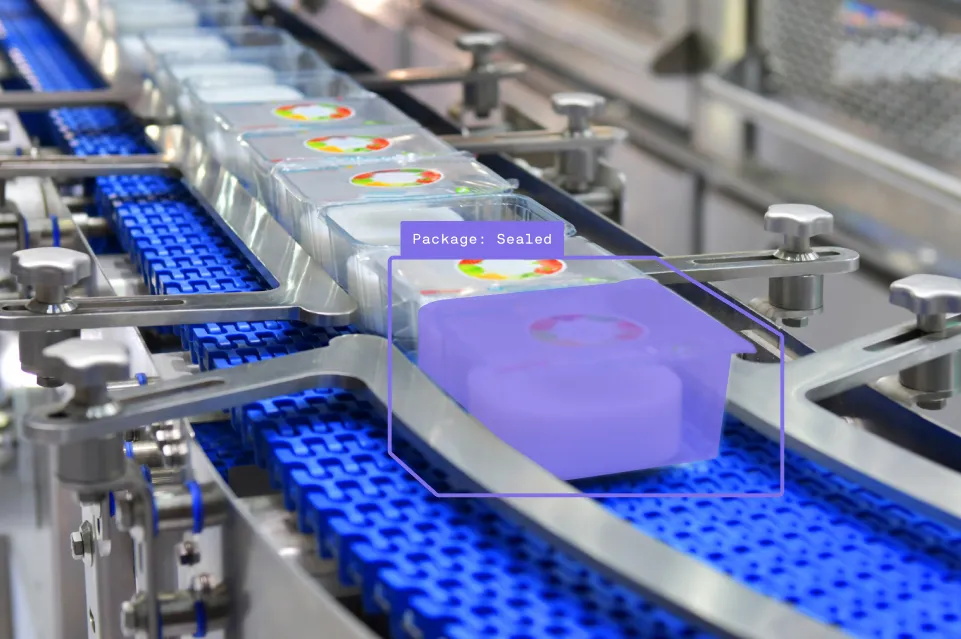
ResNet for image classification in QC has become a cornerstone technology for manufacturers aiming to automate and enhance their quality assurance processes. By leveraging deep learning, specifically convolutional neural networks like ResNet, companies can achieve higher accuracy, consistency, and speed in detecting defects or anomalies in visual inspection tasks. This guide explores how ResNet works, its advantages in industrial settings, and practical considerations for deploying it in real-world quality control environments.
As industries move toward smarter manufacturing, the integration of advanced AI models is accelerating. ResNet’s architecture, known for its ability to handle complex image data, has proven especially effective in challenging inspection scenarios. Before diving into technical details, it’s important to understand why deep learning models such as ResNet are favored over traditional machine vision approaches.
For teams interested in keeping their AI inspection models accurate and up-to-date, exploring retraining strategies for AI inspection can be highly beneficial. Regular model updates ensure that systems remain robust as new product variations or defect types emerge.
Understanding ResNet’s Impact on Visual Inspection
ResNet, or Residual Network, is a deep neural network architecture designed to address the vanishing gradient problem in very deep networks. Its introduction marked a significant leap in computer vision, enabling models to learn more complex features without degradation in performance. In the context of resnet for image classification in qc, this means more reliable detection of subtle defects and improved differentiation between acceptable and faulty products.
The core innovation of ResNet lies in its use of residual connections—shortcut paths that allow information to bypass certain layers. This design helps the network learn identity mappings, making it easier to train deeper models. For quality control, this translates to:
- Higher accuracy in classifying images, even with minor visual differences.
- Better generalization to new product types or unseen defect patterns.
- Reduced need for extensive manual feature engineering.
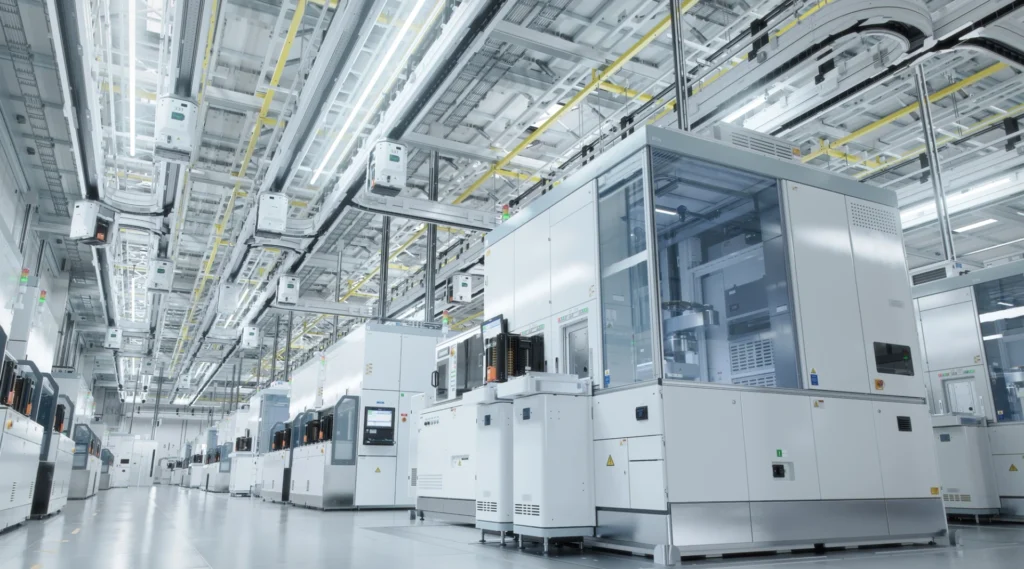
Why Choose ResNet for Automated Quality Control?
Traditional machine vision systems often rely on hand-crafted rules or simple image processing techniques, which can struggle with complex or variable product appearances. In contrast, resnet for image classification in qc offers several distinct advantages:
- Scalability: ResNet can be adapted for different product lines with minimal changes to the underlying architecture.
- Robustness: The model’s depth and residual connections enable it to handle noisy, low-contrast, or partially occluded images.
- Reduced false positives/negatives: Deep learning models like ResNet are less prone to misclassifying borderline cases, leading to fewer production stoppages or unnecessary rework.
Additionally, ResNet models can be fine-tuned using transfer learning, allowing manufacturers to leverage pre-trained networks and adapt them to their specific datasets with relatively little labeled data. This is particularly valuable in industries where collecting large volumes of defect images is challenging.
Implementing ResNet in a QC Workflow
Integrating ResNet into a quality control pipeline involves several key steps:
- Data Collection: Gather a representative set of product images, including both normal and defective samples.
- Preprocessing: Normalize, resize, and augment images to improve model robustness and generalization.
- Model Selection: Choose an appropriate ResNet variant (e.g., ResNet-18, ResNet-50) based on computational resources and accuracy requirements.
- Training: Train the model on labeled data, using techniques like data augmentation and regularization to prevent overfitting.
- Validation and Testing: Evaluate model performance on unseen data to ensure reliable defect detection.
- Deployment: Integrate the trained model into the production line, connecting it with cameras and automation systems for real-time inspection.
It’s important to monitor model performance over time and retrain as new product variants or defect types are introduced. For a deeper dive into keeping models sharp, see the earlier link on retraining strategies for AI inspection.
Comparing ResNet to Other Deep Learning Models in QC
While ResNet is a popular choice for image-based inspection, it’s not the only option. Other architectures, such as Vision Transformers and Mask R-CNN, are also gaining traction in industrial applications. For instance, Vision Transformers excel at capturing long-range dependencies in images, which can be advantageous for certain types of defects. If you’re interested in exploring alternatives, check out this resource on vision transformers for industrial use.
Mask R-CNN, on the other hand, is particularly suited for instance segmentation tasks, where identifying the precise location and shape of defects is critical. Learn more about its use in precision inspection by visiting the guide on mask r-cnn for instance segmentation.
Ultimately, the choice of model depends on the specific requirements of your quality control process, including the types of defects, throughput needs, and available computational resources.
Best Practices for Deploying Deep Learning in Industrial Environments
Successfully implementing resnet for image classification in qc requires attention to several best practices:
- Continuous Data Collection: Regularly update your dataset with new images, especially as products or defect types change.
- Performance Benchmarking: Use standardized metrics to evaluate model accuracy, speed, and robustness. For guidance, refer to resources on how to benchmark AI inspection tools.
- Hardware Considerations: Ensure that your computing infrastructure can handle the demands of real-time inference, especially for high-throughput lines.
- Human-in-the-Loop: Maintain a feedback loop where human inspectors can review and correct model predictions, further improving accuracy over time.
Adopting these practices not only maximizes the benefits of AI-powered inspection but also helps build trust in automated systems among operators and quality engineers.
Industry Applications and Success Stories
ResNet-based inspection systems are being used across a wide range of industries, including electronics, automotive, pharmaceuticals, and food processing. In electronics manufacturing, for example, ResNet models can detect micro-cracks, soldering defects, or misalignments that are difficult to spot with traditional vision systems. In pharmaceuticals, they help ensure packaging integrity and correct labeling.
For a broader perspective on how deep learning is transforming visual inspection, see this in-depth article on the role of deep learning in advancing visual inspection machines. These case studies highlight not only the technical benefits but also the return on investment and operational improvements achieved by early adopters.
Challenges and Considerations
While the advantages are clear, deploying ResNet in quality control is not without challenges. Common hurdles include:
- Data Quality: Poorly labeled or unbalanced datasets can lead to biased models.
- Integration Complexity: Connecting AI models with existing automation and IT infrastructure may require custom development.
- Model Drift: Over time, changes in product appearance or manufacturing processes can reduce model accuracy, necessitating ongoing monitoring and retraining.
- Regulatory Compliance: In regulated industries, AI-based inspection systems may need to meet stringent validation and documentation requirements.
Addressing these challenges requires a cross-functional approach, involving data scientists, engineers, and quality professionals working together to ensure successful deployment and maintenance.
Frequently Asked Questions
How does ResNet differ from traditional machine vision in quality control?
ResNet uses deep learning to automatically learn features from image data, whereas traditional machine vision relies on manually defined rules or filters. This allows ResNet to handle more complex and variable inspection tasks, resulting in higher accuracy and adaptability to new defect types.
What are the hardware requirements for running ResNet-based inspection systems?
Hardware needs depend on the size of the ResNet model and the required inference speed. For real-time inspection, a GPU or specialized AI accelerator is often recommended. Smaller ResNet variants can run on edge devices, while larger models may require more powerful servers.
Can ResNet be combined with other AI models for better results?
Yes, ResNet can be integrated with other models or techniques, such as object detection frameworks or Vision Transformers, to enhance performance. Combining models can help address specific challenges, such as detecting multiple defect types or improving localization accuracy.
In summary, adopting resnet for image classification in qc offers manufacturers a powerful tool for automating and improving quality control processes. By understanding the strengths and limitations of ResNet, and following best practices for deployment, organizations can achieve significant gains in efficiency, accuracy, and product quality.