
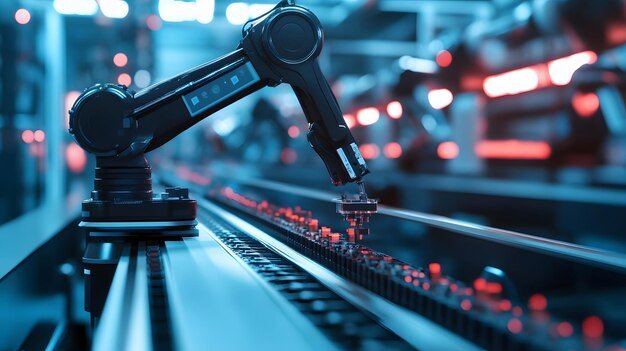
Augmented reality in quality audits is transforming how manufacturers and inspectors interact with data on the factory floor. By overlaying digital information directly onto real-world environments, AR enables teams to visualize inspection results, process metrics, and corrective actions in real time. This technology bridges the gap between physical products and digital insights, making quality assurance more efficient, transparent, and actionable.
The integration of AR into quality control processes is not just a futuristic concept—it’s already delivering measurable benefits in industries like electronics, automotive, and medical device manufacturing. As companies seek to improve accuracy and reduce downtime, AR-powered audits are quickly becoming a cornerstone of modern quality management. For those interested in optimizing their AI-driven inspection systems, exploring retraining strategies for AI inspection can further enhance the effectiveness of these solutions.
How AR Enhances Quality Inspection Processes
Traditional quality audits often rely on paper checklists, manual data entry, and delayed reporting. These methods can introduce errors and slow down the identification of defects. By contrast, augmented reality in quality audits enables inspectors to access contextual data, visual cues, and step-by-step instructions directly through smart glasses or tablets. This hands-free approach streamlines workflows and reduces the risk of oversight.
With AR, inspectors can:
- Overlay defect locations and severity onto the actual product
- Access digital work instructions and checklists in their field of view
- Capture and annotate images or videos for documentation
- Receive real-time feedback from AI-powered inspection models
This immediate access to relevant information not only speeds up the audit process but also ensures consistency and traceability across teams and shifts.
Visualizing Data for Actionable Insights
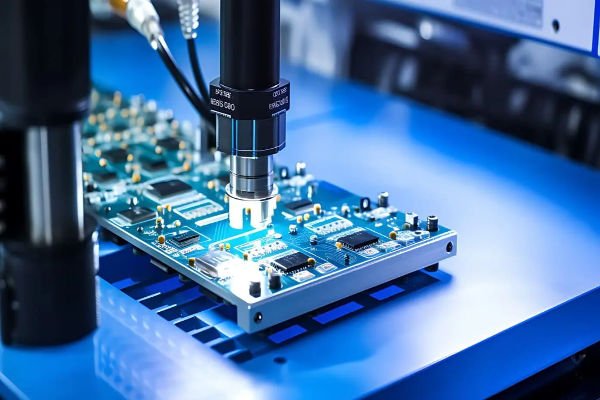
One of the most powerful aspects of AR in quality control is its ability to visualize complex data in a way that’s easy to interpret and act upon. Instead of sifting through spreadsheets or static reports, inspectors can see defect trends, process deviations, and key performance indicators projected directly onto the equipment or product being audited.
For example, heatmaps can highlight areas of frequent defects, while color-coded overlays can indicate pass/fail status or required rework. This contextual visualization helps teams prioritize corrective actions and understand root causes more quickly.
Manufacturers using AR for data visualization report faster decision-making and improved communication between quality, engineering, and production teams. By making data accessible at the point of need, AR supports a proactive approach to quality management.
Integrating AI and AR for Smarter Audits
The combination of artificial intelligence and augmented reality is redefining the capabilities of modern quality audits. AI models can analyze images and sensor data to detect defects, classify anomalies, and predict potential failures. When these insights are delivered through AR interfaces, inspectors gain a powerful tool for real-time decision support.
For instance, an AI system might flag a subtle surface defect that would be difficult for the human eye to detect. Through AR, this defect can be highlighted on the actual part, along with recommended actions or links to relevant documentation. This synergy between AI and AR reduces the learning curve for new inspectors and ensures that best practices are consistently followed.
To further optimize AI inspection systems, manufacturers can explore advanced techniques such as vision transformers for industrial use and hyperparameter tuning for inspection models. These approaches can enhance the accuracy and adaptability of AI-driven quality control.
Benefits and Challenges of AR-Driven Quality Audits
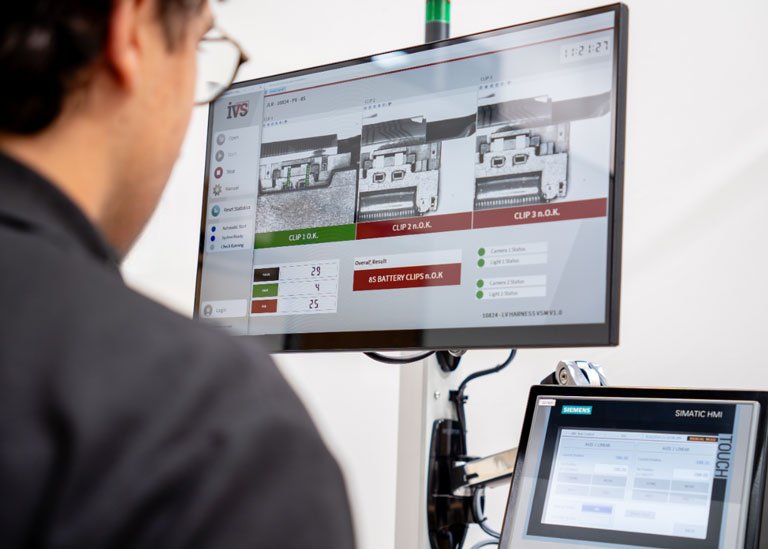
Adopting AR in quality assurance brings several clear advantages:
- Increased accuracy: Digital overlays reduce human error and help inspectors focus on critical areas.
- Faster audits: Access to real-time data and instructions streamlines the inspection process.
- Improved training: New staff can learn procedures more quickly with visual guidance and interactive content.
- Enhanced traceability: Digital records and annotated images make it easier to track issues and demonstrate compliance.
However, there are also challenges to consider:
- Initial investment in AR hardware and software
- Integration with existing quality management systems
- Ensuring data security and privacy
- Change management and user adoption
To address these challenges, it’s important to select AR solutions that are compatible with current workflows and to provide thorough training for all users. Collaborating with technology partners who understand both manufacturing and digital transformation can also help ensure a smooth rollout.
Real-World Applications and Industry Examples
Many sectors are already leveraging AR to improve quality assurance. In electronics manufacturing, AR is used to guide inspectors through complex PCB audits, highlighting soldering defects and component misplacements. Automotive plants use AR to visualize weld quality and ensure assembly consistency. In the medical device industry, AR helps verify the integrity of intricate components and supports compliance with stringent regulatory standards.
A detailed overview of how AR and AI are being combined for advanced inspection tasks is available in this comprehensive technical report on AI-based visual inspection systems. These case studies demonstrate the tangible benefits of AR-driven audits in reducing defects, improving product quality, and accelerating time-to-market.
Best Practices for Implementing AR in Quality Control
For organizations considering the adoption of AR in their quality processes, the following best practices can help maximize ROI:
- Start with a pilot project focused on a high-impact area, such as final assembly or critical component inspection.
- Engage cross-functional teams—including quality, IT, and operations—to ensure alignment and smooth integration.
- Choose AR platforms that support easy content creation, device compatibility, and integration with AI inspection models.
- Provide hands-on training and ongoing support to build user confidence and encourage adoption.
- Continuously monitor performance metrics and collect feedback to refine workflows and expand AR usage.
It’s also valuable to monitor the performance of AI models used in conjunction with AR. For insights on maintaining model accuracy over time, review strategies for monitoring AI model drift in factories and keeping inspection systems reliable.
Frequently Asked Questions
How does augmented reality improve the accuracy of quality audits?
AR enhances accuracy by overlaying digital information—such as defect locations, inspection criteria, and real-time analytics—directly onto the physical product. This reduces the chance of missing critical issues and helps inspectors make more informed decisions on the spot.
What equipment is required to use AR in quality inspections?
Most AR solutions for quality audits use smart glasses, tablets, or smartphones equipped with cameras and specialized software. The choice of hardware depends on the complexity of the inspection tasks and the working environment.
Can AR systems be integrated with existing quality management platforms?
Yes, many AR platforms are designed to integrate with existing quality management and manufacturing execution systems. This allows for seamless data exchange, automated reporting, and improved traceability across the production lifecycle.
Conclusion
The use of augmented reality in quality audits is rapidly gaining traction as manufacturers seek to enhance transparency, speed, and accuracy in their inspection processes. By visualizing data in context and empowering inspectors with real-time insights, AR is setting a new standard for quality assurance. As the technology matures and integrates further with AI-driven inspection models, its impact on manufacturing efficiency and product quality will only continue to grow.
For those interested in deepening their understanding of AI-powered quality control, exploring topics like ResNet for image classification in QC can provide additional insights into the future of digital inspection.