
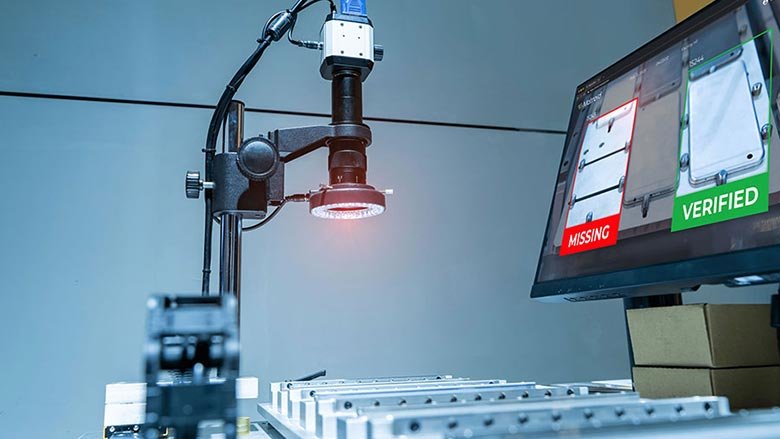
Wearable AI for manual inspection support is rapidly transforming how frontline workers perform quality checks, safety audits, and maintenance in industrial settings. These digital helpers—ranging from smart glasses to AI-powered headsets—combine mobility, real-time data processing, and intelligent guidance to boost accuracy, consistency, and efficiency during manual inspections.
As factories and field operations become more complex, the need for reliable, hands-free assistance grows. Wearable artificial intelligence offers a practical solution by delivering contextual information, automating documentation, and flagging anomalies as workers move through inspection routines. This guide explores the core technologies, real-world benefits, and challenges of integrating these smart devices into manual inspection workflows.
For organizations interested in broader digital transformation, exploring augmented reality in quality audits can provide additional insights into how visual data overlays and AI-driven analytics are reshaping inspection processes.
How Wearable Intelligence Enhances Manual Inspection
Traditional manual inspection relies heavily on human judgment, paper checklists, and memory. This approach is vulnerable to errors, missed defects, and inconsistent reporting. By introducing wearable AI for manual inspection support, companies can empower workers with instant access to digital instructions, automated data capture, and real-time feedback.
Key features of these systems include:
- Hands-free operation: Workers can view instructions, record findings, and receive alerts without interrupting their tasks.
- Computer vision: AI algorithms process images and video from built-in cameras to detect defects, read gauges, or verify assembly steps.
- Voice interaction: Natural language processing allows users to navigate checklists, log anomalies, or request help using simple voice commands.
- Contextual guidance: The system adapts instructions based on location, task progress, or detected issues, reducing cognitive load.
- Automated documentation: Inspection data, photos, and results are automatically logged and synced with enterprise systems.
Core Technologies Behind Digital Inspection Helpers
The effectiveness of wearable AI depends on a blend of hardware and software innovations. Below are the main components that enable these digital assistants to deliver value on the factory floor and in the field.
Smart Wearables and Sensors
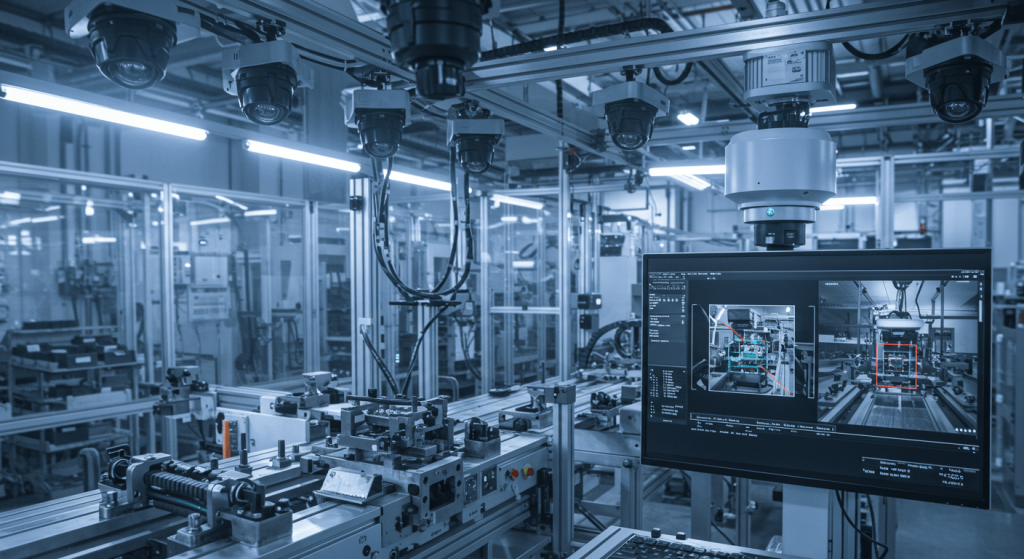
Modern inspection assistants often take the form of smart glasses, head-mounted tablets, or ruggedized AR headsets. These devices integrate high-resolution cameras, microphones, and environmental sensors to capture data from the worker’s perspective. Some advanced models include thermal imaging or depth sensors for specialized inspection tasks.
Edge AI Processing
To deliver real-time insights, wearable devices use embedded processors capable of running AI models locally. This minimizes latency and ensures that critical alerts—such as defect detection or safety warnings—are delivered instantly, even in areas with limited connectivity.
For more on how deep learning is advancing visual inspection, see this in-depth look at deep learning in visual inspection.
Cloud Connectivity and Data Integration
While edge processing handles immediate tasks, cloud platforms aggregate inspection data, enable remote expert support, and facilitate analytics across teams and sites. Integration with enterprise asset management or quality systems ensures that findings are actionable and traceable.
Benefits of Wearable AI in Inspection Workflows
Adopting wearable AI for manual inspection support offers measurable improvements across several dimensions:
- Improved accuracy: AI-powered vision and automated checklists reduce human error and ensure that no critical step is overlooked.
- Faster inspections: Hands-free access to information and instant documentation streamline workflows, allowing more inspections in less time.
- Consistent reporting: Digital records standardize data collection, making it easier to compare results and identify trends.
- Enhanced safety: Real-time alerts and contextual guidance help workers avoid hazards and comply with safety protocols.
- Remote collaboration: Experts can view live feeds from wearable cameras and provide guidance, reducing travel and downtime.
Challenges and Considerations for Implementation
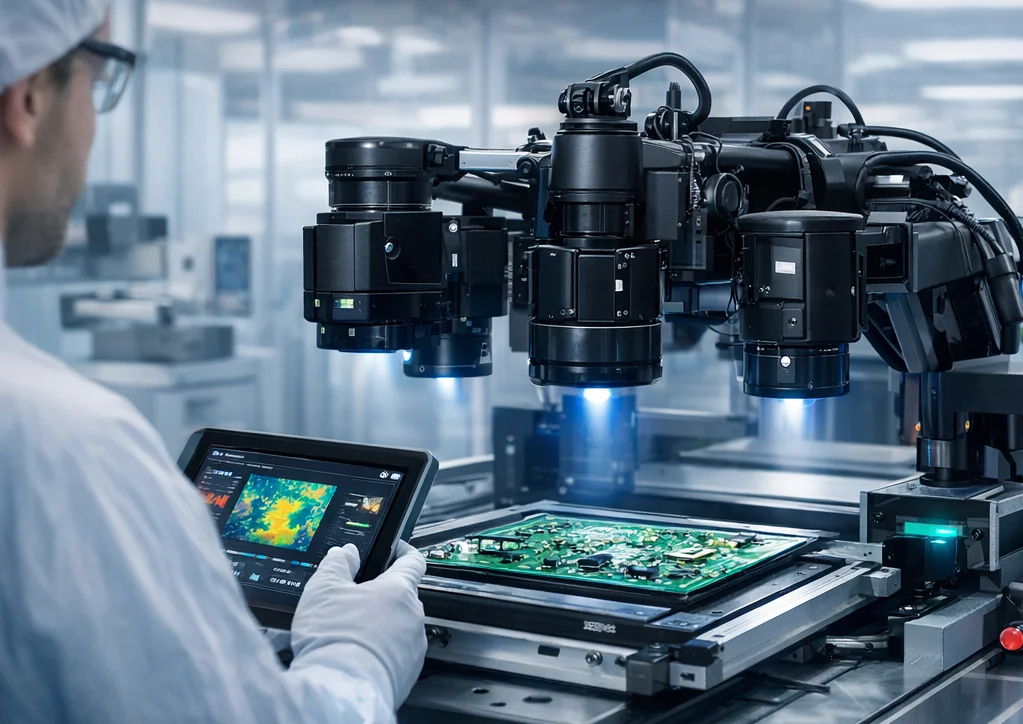
While the benefits are clear, deploying digital helpers for inspection is not without challenges. Organizations must address several factors to ensure successful adoption:
- User acceptance: Workers may be hesitant to adopt new technologies. Effective training and change management are essential.
- Device ergonomics: Wearables must be comfortable for extended use and compatible with personal protective equipment.
- Data privacy: Capturing images and audio raises privacy concerns. Clear policies and secure data handling are critical.
- Connectivity: Reliable wireless networks are needed for cloud integration and remote support, especially in large or remote facilities.
- Integration: Seamless connection with existing inspection, maintenance, and quality systems maximizes value and minimizes disruption.
Industry Applications and Use Cases
Wearable AI for manual inspection support is being adopted across a range of industries, each with unique requirements and benefits:
- Manufacturing: Quality inspectors use smart glasses to verify assembly steps, detect surface defects, and document results in real time.
- Energy and Utilities: Field technicians perform safety checks and equipment inspections with hands-free access to procedures and remote expert support.
- Aerospace and Automotive: Maintenance crews leverage AI-powered vision to spot wear, corrosion, or misalignment during routine checks.
- Pharmaceuticals: Compliance audits are streamlined with automated documentation and step-by-step digital guidance.
For organizations seeking to optimize their AI inspection models, reviewing strategies such as hyperparameter tuning for inspection models can further enhance accuracy and reliability.
Future Trends in Wearable Inspection Technology
The landscape of digital inspection helpers continues to evolve. Some emerging trends include:
- Vision transformers: Advanced deep learning architectures are improving the ability of wearables to recognize subtle defects and complex patterns. Learn more about vision transformers for industrial use.
- Continuous learning: Wearable AI systems are incorporating feedback loops, enabling them to adapt to new defect types or changing environments through ongoing retraining. Insights on retraining strategies for AI inspection can help organizations stay ahead.
- Model monitoring: As AI models age, their performance can drift. Proactive monitoring and updates are essential for maintaining accuracy. Explore best practices in monitoring AI model drift in factories.
FAQ: Wearable AI for Inspection Support
What types of inspections benefit most from wearable AI?
Wearable AI is particularly effective for visual inspections, quality control, safety audits, and maintenance checks where hands-free operation and real-time guidance improve accuracy and efficiency. Industries such as manufacturing, energy, automotive, and pharmaceuticals are leading adopters.
How does wearable AI ensure data security and privacy?
Most solutions use encrypted data transmission and secure cloud storage. Organizations should implement strict access controls, clear data retention policies, and worker consent protocols to address privacy concerns.
Can wearable AI devices operate offline?
Many wearable AI systems feature edge processing, allowing them to run critical AI models and provide guidance even without a network connection. Data can be synced with cloud systems once connectivity is restored.
Conclusion
The integration of wearable AI for manual inspection support is reshaping how organizations approach quality, safety, and compliance. By combining real-time intelligence, hands-free operation, and seamless data integration, these digital helpers are setting new standards for efficiency and reliability in inspection workflows. As technology advances, expect even greater capabilities and broader adoption across industries committed to operational excellence.