
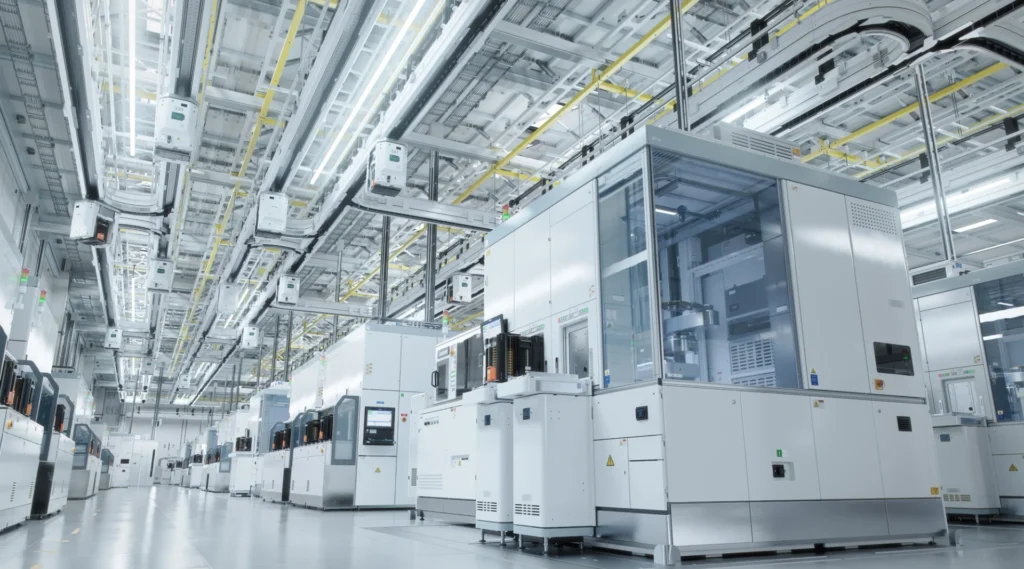
Manufacturers worldwide are increasingly turning to AI-powered quality control to improve efficiency, accuracy, and competitiveness. By integrating artificial intelligence into inspection and monitoring processes, organizations can detect defects earlier, reduce waste, and ensure consistent product standards. As production lines become more complex, the benefits of AI in quality control are becoming impossible to ignore.
In this article, we’ll explore the top advantages of using AI-driven systems in manufacturing quality assurance. You’ll discover how these technologies are transforming traditional inspection, supporting human operators, and driving measurable business results. For those interested in related innovations, you may also find value in learning about augmented reality in quality audits, which further enhances data visualization and decision-making on the factory floor.
Enhanced Defect Detection Accuracy
One of the most significant benefits of AI in quality control is its ability to identify defects with greater precision than traditional manual or rule-based systems. AI algorithms, especially those using deep learning, can analyze images and sensor data to spot subtle flaws that might be missed by human inspectors. This leads to higher product quality and fewer recalls, protecting both brand reputation and customer satisfaction.
Real-Time Monitoring and Rapid Feedback
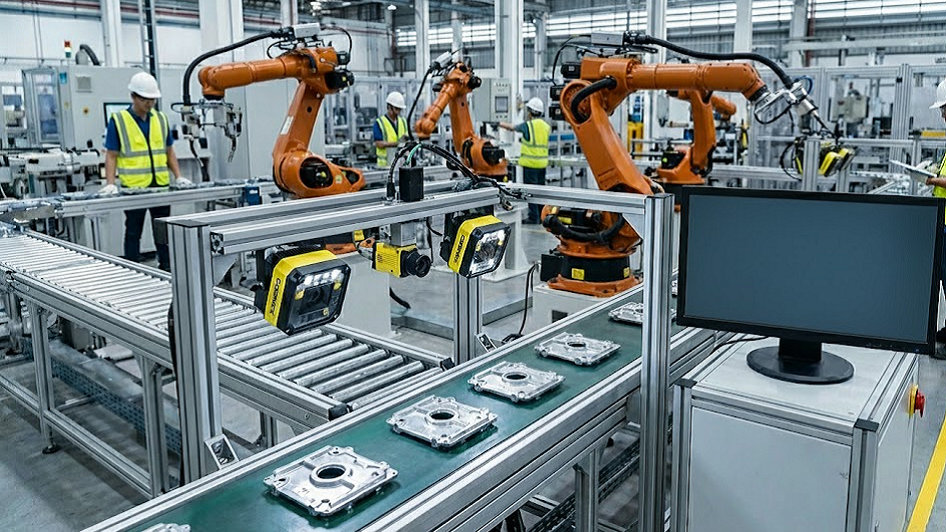
AI systems enable continuous, real-time monitoring of production lines. Unlike periodic manual checks, AI-powered inspection tools can instantly flag anomalies as soon as they occur. This immediate feedback allows operators to address issues before they escalate, minimizing downtime and preventing defective products from reaching customers.
Consistent and Objective Quality Standards
Human inspectors can be influenced by fatigue, distractions, or subjective judgment. AI-driven quality control systems apply the same criteria to every product, ensuring consistency and objectivity. This uniformity is crucial for industries with strict regulatory requirements or high customer expectations, such as automotive, electronics, and pharmaceuticals.
Increased Inspection Speed and Throughput
AI-powered vision systems can process images and data much faster than manual inspection, supporting high-speed production lines. By automating repetitive tasks, manufacturers can increase throughput without sacrificing quality. This efficiency gain is particularly valuable for large-scale operations where even small improvements in speed can translate to substantial cost savings.
Reduction in Operational Costs
By automating inspection and reducing the need for manual labor, AI helps lower operational expenses. Fewer defective products mean less waste and rework, while faster detection of issues reduces costly downtime. Over time, these savings can offset the initial investment in AI technology and contribute to a healthier bottom line.
Improved Traceability and Data Insights
AI systems generate detailed records of inspections, including images, sensor readings, and decision logs. This data can be used for traceability, compliance reporting, and root cause analysis. Manufacturers gain valuable insights into process trends, recurring issues, and areas for improvement, supporting a culture of continuous quality enhancement.
Scalability and Flexibility
Unlike traditional inspection setups that may require significant reconfiguration for new products, AI models can often be retrained or fine-tuned with new data. This flexibility allows manufacturers to adapt quickly to changing product lines or customer requirements. For those interested in optimizing inspection models, exploring hyperparameter tuning for inspection models can further boost AI performance.
Support for Human Operators
AI doesn’t replace human expertise—it enhances it. By handling routine or repetitive inspection tasks, AI frees up skilled workers to focus on more complex quality challenges. Some manufacturers are also adopting wearable AI for manual inspection support, providing real-time guidance and feedback to operators on the shop floor.
Early Detection and Prevention of Defects
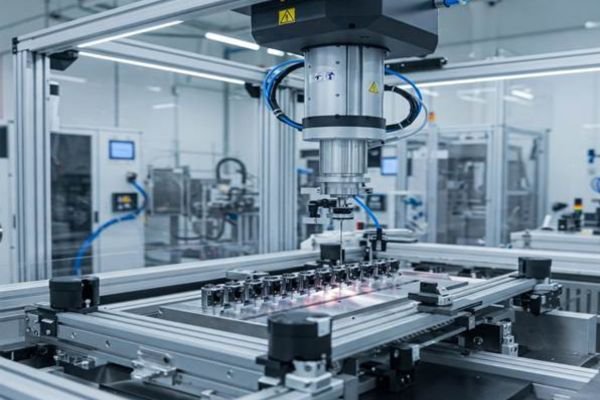
AI’s ability to analyze vast amounts of data in real time enables early detection of process deviations. By identifying patterns that precede defects, AI can help manufacturers implement preventive measures, reducing the likelihood of costly failures down the line. This proactive approach supports higher yields and more reliable production outcomes.
Continuous Improvement Through Machine Learning
AI systems can learn and improve over time as they process more data. By regularly updating models and incorporating feedback, manufacturers can achieve ongoing gains in accuracy and efficiency. For advanced strategies on maintaining AI performance, consider reading about retraining strategies for AI inspection.
Competitive Advantage and Future-Proofing
Adopting AI for quality control positions manufacturers at the forefront of digital transformation. Companies that leverage these technologies can respond faster to market changes, deliver higher-quality products, and meet evolving customer expectations. This strategic advantage is essential in industries where innovation and agility are key to long-term success.
Industry Examples and Real-World Impact
Across sectors, the impact of AI-driven quality assurance is already evident. Automotive manufacturers use machine vision to inspect welds and paint finishes. Electronics producers deploy deep learning models to spot microscopic defects on circuit boards. Pharmaceutical companies rely on AI to ensure packaging integrity and dosage accuracy. For a deeper dive into practical applications, the article exploring the key advantages of AI in quality control offers additional industry insights.
As AI technologies continue to evolve, new use cases and benefits are emerging. For example, vision transformers for industrial use are enabling even more sophisticated image analysis, while augmented reality and wearable AI are making quality data more accessible to frontline workers.
Frequently Asked Questions
How does AI improve defect detection compared to traditional methods?
AI uses advanced algorithms to analyze images and sensor data, identifying subtle defects that may be missed by human inspectors or rule-based systems. This leads to higher accuracy, fewer false positives, and improved product quality.
Is it difficult to implement AI in existing manufacturing processes?
While initial setup requires investment and planning, many modern AI solutions are designed to integrate with existing equipment and workflows. With proper training and support, manufacturers can gradually adopt AI-driven inspection without major disruptions.
What are the long-term benefits of using AI for quality assurance?
Over time, AI helps reduce operational costs, improve consistency, and enable continuous improvement. Manufacturers benefit from better traceability, faster problem resolution, and a stronger competitive position in the market.