
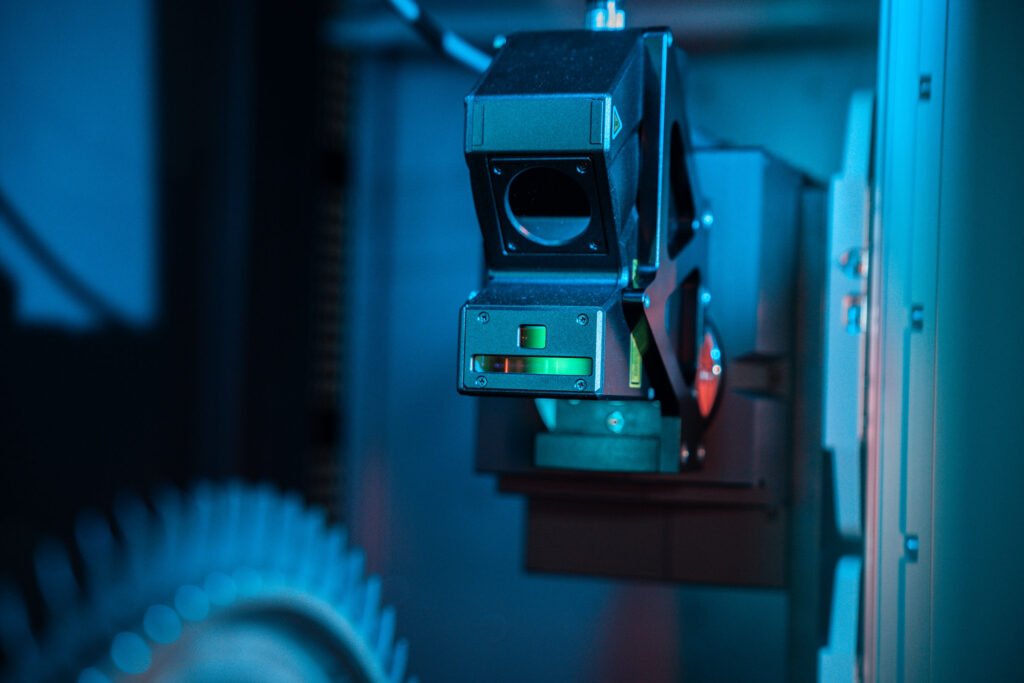
The manufacturing sector is undergoing a significant transformation as digital technologies reshape how factories operate. Among these advancements, IoT enabled production monitoring stands out for its ability to connect machines, sensors, and systems, providing real-time insights into every aspect of production. This approach empowers manufacturers to achieve higher efficiency, reduce downtime, and make data-driven decisions that improve both quality and output.
As more companies seek to modernize their operations, the integration of Internet of Things (IoT) devices into production lines is becoming essential. By leveraging connected sensors and smart analytics, organizations can monitor equipment health, track product flow, and identify bottlenecks before they escalate. This article explores how these technologies are transforming traditional factories into intelligent, connected environments.
For manufacturers focused on quality assurance, integrating packaging line quality monitoring solutions alongside IoT-based systems can further minimize errors and ensure products meet strict standards before shipping.
How IoT Devices Transform Production Monitoring
The core of IoT enabled production monitoring lies in the deployment of smart sensors and devices across the factory floor. These components continuously collect data on variables such as temperature, vibration, machine status, and product counts. The information is transmitted to centralized platforms where it is aggregated, analyzed, and visualized in real time.

With this infrastructure in place, operators and managers gain immediate visibility into the status of every machine and process. This enables proactive maintenance, early detection of anomalies, and optimized scheduling. The result is a more agile production environment that can quickly adapt to changes in demand or unexpected disruptions.
Key Benefits of Connected Factory Monitoring
Implementing IoT-driven monitoring systems delivers a range of tangible benefits for manufacturers:
- Real-time visibility: Access to live data allows for instant response to issues, reducing downtime and improving throughput.
- Predictive maintenance: By analyzing equipment data, maintenance can be scheduled before failures occur, extending asset life and minimizing costly breakdowns.
- Quality control: Automated monitoring ensures that deviations from quality standards are detected immediately, reducing scrap and rework.
- Resource optimization: Insights into energy usage, material flow, and labor allocation help streamline operations and cut unnecessary costs.
- Traceability: Detailed records of production events support compliance and make it easier to investigate issues or recalls.
For organizations seeking even deeper oversight, integrating digital traceability in production provides end-to-end visibility from raw materials to finished goods.
Core Components of IoT-Driven Monitoring Systems
A robust IoT enabled production monitoring solution typically includes several key elements:
- Sensors and Edge Devices: These capture data on machine performance, environmental conditions, and product movement.
- Connectivity Infrastructure: Secure networks (wired or wireless) transmit data from the factory floor to cloud or on-premises platforms.
- Data Analytics Platforms: Software tools aggregate and analyze incoming data, providing actionable insights through dashboards and alerts.
- Integration with Existing Systems: Seamless connection to ERP, MES, and quality management systems ensures data flows across the organization.
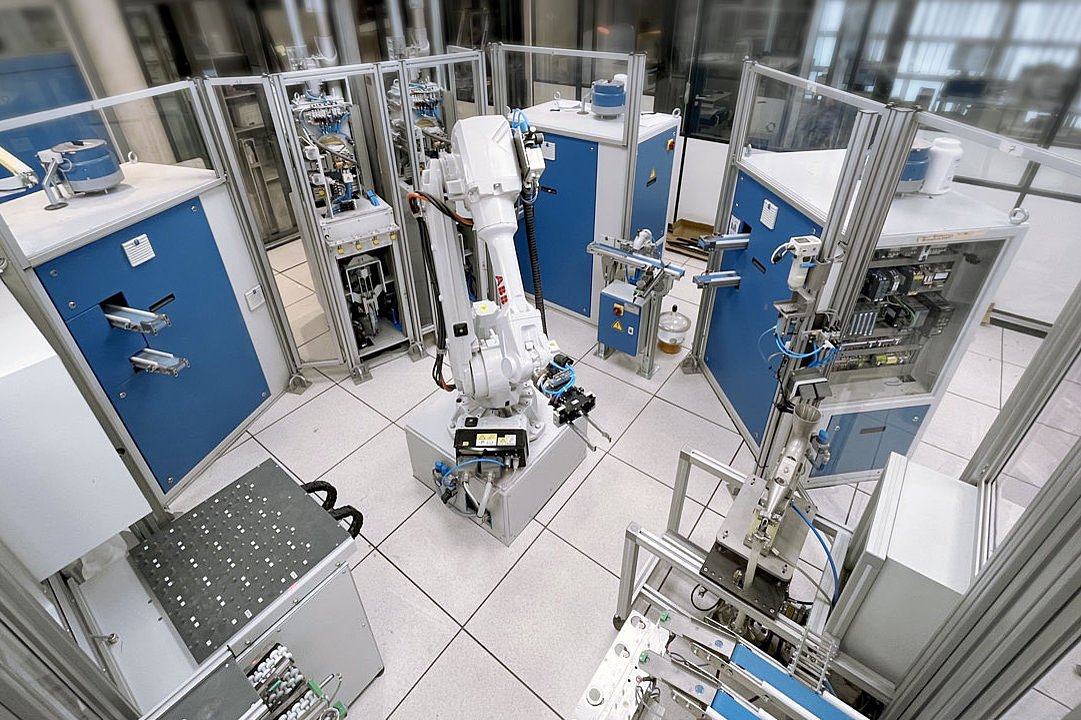
These components work together to deliver a comprehensive view of operations, supporting continuous improvement and rapid problem-solving.
Continuous Monitoring and Data-Driven Decision Making
One of the most significant advantages of IoT-based monitoring is the ability to implement continuous monitoring practices. Unlike periodic checks or manual inspections, continuous data collection ensures that even subtle changes in process or equipment condition are detected immediately.
This approach enables data-driven decision making at every level of the organization. Operators can respond to alerts in real time, while managers and engineers use historical data to identify trends, optimize workflows, and plan investments. Over time, this leads to higher productivity, reduced waste, and a more resilient manufacturing operation.
Challenges and Considerations for Implementation
While the benefits of IoT enabled production monitoring are compelling, successful deployment requires careful planning:
- Data Security: Protecting sensitive production data from cyber threats is essential. Robust encryption, access controls, and network segmentation are critical.
- Integration Complexity: Connecting new IoT devices with legacy systems can be challenging. Open standards and modular platforms help ease this process.
- Scalability: Solutions should be designed to grow with the business, supporting additional devices and data streams as needed.
- Change Management: Training staff and aligning processes with new technologies is vital for adoption and long-term success.
Manufacturers can also benefit from solutions tailored to specific needs, such as precision manufacturing monitoring for industries with tight tolerances, or scrap reduction in production lines to minimize material waste.
Industry Applications and Real-World Impact
IoT-powered monitoring is being adopted across a wide range of industries:
- Automotive: Real-time tracking of assembly lines ensures consistent quality and rapid response to equipment issues.
- Electronics: Monitoring systems integrated with electronics manufacturing inspection systems help detect defects early and improve PCB yields.
- Food and Beverage: Temperature and humidity sensors maintain product safety and compliance with regulatory standards.
- Pharmaceuticals: Continuous monitoring supports strict quality requirements and traceability for every batch produced.
In each case, the ability to collect and act on real-time data leads to measurable improvements in efficiency, quality, and competitiveness.
Best Practices for Adopting IoT in Manufacturing
To maximize the value of IoT enabled production monitoring, manufacturers should consider the following best practices:
- Start with a clear business objective—identify the most critical pain points or opportunities for improvement.
- Pilot solutions on a small scale to validate technology and processes before rolling out across the entire facility.
- Choose interoperable platforms that can integrate with existing systems and scale as needs evolve.
- Invest in workforce training to ensure staff are comfortable with new tools and workflows.
- Continuously review and refine monitoring strategies based on data insights and operational feedback.
By following these steps, organizations can accelerate their digital transformation and build a foundation for ongoing innovation.
FAQ
What is IoT-enabled production monitoring?
It refers to the use of connected sensors and devices to collect real-time data from manufacturing equipment and processes. This data is analyzed to provide insights, improve efficiency, and support proactive decision making.
How does IoT-based monitoring improve quality control?
By continuously tracking process variables and machine conditions, IoT systems can detect deviations from quality standards instantly. This allows for immediate corrective action, reducing defects and ensuring consistent product quality.
Is it difficult to integrate IoT monitoring with existing factory systems?
Integration can be complex, especially with older equipment. However, many modern IoT platforms are designed for interoperability and can connect with legacy systems through adapters or middleware, making the process more manageable.