
In today’s advanced industrial landscape, maintaining tight tolerances is not just a quality goal—it’s a competitive necessity. As manufacturers strive to deliver increasingly complex components, the need for robust precision manufacturing monitoring systems has never been greater. These systems ensure that every part meets exact specifications, reduces waste, and supports consistent product performance. This article explores the technologies, strategies, and best practices that enable manufacturers to achieve and sustain high-precision standards.
Modern production environments are evolving rapidly, integrating digital tools, automation, and artificial intelligence to monitor and control every aspect of the process. By leveraging these innovations, companies can detect deviations early, minimize defects, and optimize their operations for both quality and efficiency. For those interested in how these trends are shaping the industry, the future of autonomous quality control offers a glimpse into what’s next for smart manufacturing.
Why Monitoring Is Essential for High-Precision Manufacturing
Maintaining strict tolerances is critical in sectors such as aerospace, automotive, medical devices, and electronics. Even the smallest deviation can compromise product integrity, safety, or functionality. Precision manufacturing monitoring provides real-time feedback and data-driven insights, allowing manufacturers to:
- Detect process drift before it leads to out-of-spec parts
- Reduce scrap and rework costs
- Ensure compliance with industry standards and customer requirements
- Support continuous improvement initiatives
Without effective monitoring, even the most advanced machines and skilled operators can fall short of delivering consistent results. As production volumes and complexity increase, manual inspection alone becomes insufficient, making automated monitoring solutions indispensable.
Key Technologies Powering Precision Monitoring
The backbone of modern quality assurance lies in a combination of hardware and software solutions. These technologies work together to provide comprehensive oversight of the manufacturing process:
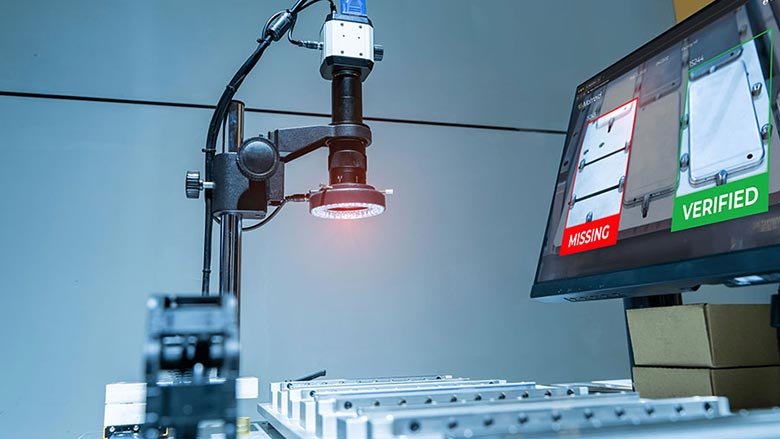
- Machine Vision Systems: High-resolution cameras and AI-driven algorithms inspect parts for surface defects, dimensional accuracy, and assembly verification. These systems can operate at production speeds, providing instant feedback and reducing human error.
- In-Process Sensors: Embedded sensors monitor parameters such as temperature, pressure, vibration, and force. By capturing data in real time, they help identify anomalies that could affect part quality.
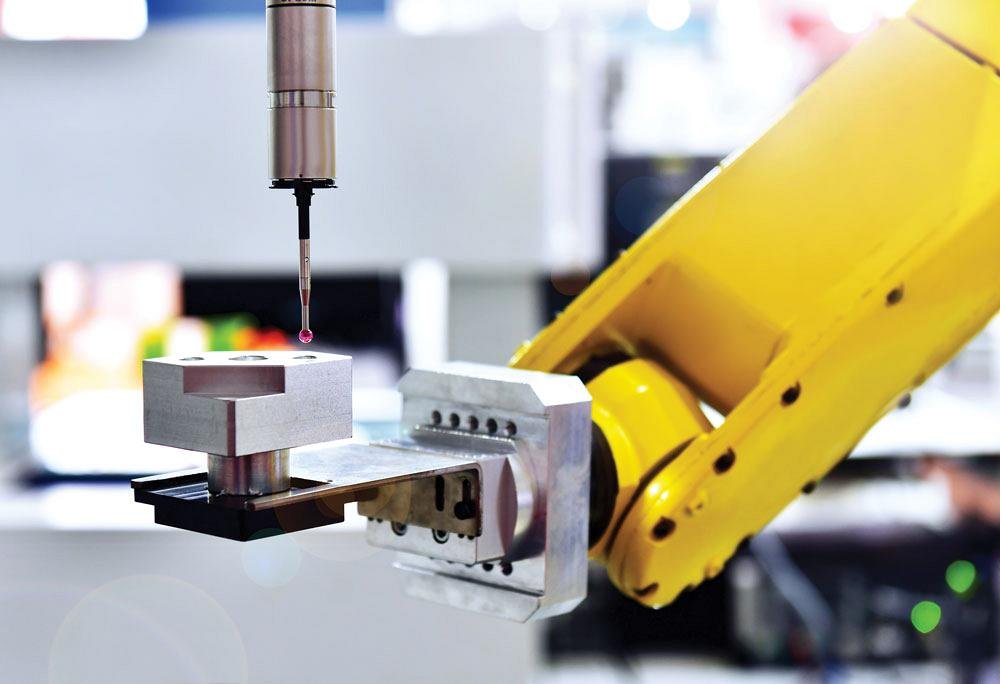
- Coordinate Measuring Machines (CMMs): CMMs offer precise, automated measurement of complex geometries, ensuring that critical dimensions remain within specified limits.
- Statistical Process Control (SPC): SPC software analyzes process data to identify trends, shifts, or cycles that may indicate potential issues, enabling proactive intervention.
For manufacturers looking to further enhance their inspection capabilities, exploring vision transformers for industrial use can provide next-generation accuracy and adaptability.
Implementing Continuous Controls for Consistency
Continuous monitoring is the foundation of a stable, repeatable process. By integrating sensors and analytics platforms, manufacturers can establish a closed-loop system that automatically adjusts parameters to maintain optimal conditions. This approach minimizes variation and ensures that every part produced meets the required standards.
One effective strategy is the adoption of continuous controls monitoring, which automates the detection and response to deviations. This not only improves product quality but also streamlines compliance and reporting efforts.
Challenges in Achieving Tight Tolerances
While advanced monitoring systems offer significant benefits, implementing them is not without challenges. Manufacturers often face obstacles such as:
- Integration Complexity: Connecting new monitoring technologies with existing equipment and IT infrastructure can require significant planning and investment.
- Data Overload: The volume of data generated by sensors and vision systems can be overwhelming. Effective data management and analytics are essential for turning raw information into actionable insights.
- Skill Gaps: Operating and maintaining sophisticated monitoring systems demands specialized knowledge. Ongoing training and upskilling are necessary to maximize the value of these tools.
- Cost Considerations: While the long-term benefits are clear, the initial investment in hardware, software, and integration can be a barrier for some organizations.
Addressing these challenges requires a strategic approach, including careful technology selection, phased implementation, and a focus on workforce development.
Best Practices for Effective Precision Monitoring
To get the most from precision manufacturing monitoring systems, manufacturers should consider the following best practices:
- Define Critical Control Points: Identify which process steps and dimensions are most critical to product quality, and focus monitoring efforts accordingly.
- Automate Data Collection: Reduce manual entry and potential errors by automating data capture wherever possible.
- Leverage Real-Time Analytics: Use dashboards and alerts to provide operators and engineers with immediate feedback, enabling quick corrective action.
- Integrate with Quality Management Systems: Ensure that monitoring data feeds directly into broader quality and compliance workflows.
- Review and Optimize Regularly: Continuously assess the effectiveness of monitoring systems and make improvements as technology and processes evolve.
For organizations seeking to enhance manual inspection processes, integrating wearable AI for manual inspection support can provide real-time guidance and documentation, further improving accuracy and efficiency.
Emerging Trends in Quality Control and Monitoring
The future of precision-focused manufacturing is shaped by ongoing advancements in automation, artificial intelligence, and digital connectivity. Some notable trends include:
- AI-Driven Defect Detection: Machine learning models are becoming increasingly adept at identifying subtle defects that traditional algorithms might miss.
- Augmented Reality (AR): AR tools are helping operators visualize data and inspection results directly on the shop floor, making it easier to spot issues and take corrective action. For more on this, see the insights on augmented reality in quality audits.
- Cloud-Based Analytics: Centralizing data in the cloud enables manufacturers to benchmark performance across sites and implement best practices globally.
- Advanced Model Optimization: Techniques such as hyperparameter tuning for inspection models are improving the accuracy and reliability of automated inspection systems.
These innovations are driving a shift toward more autonomous, adaptive, and resilient manufacturing operations, where quality is built into every step of the process.
Frequently Asked Questions
What industries benefit most from precision monitoring systems?
Industries such as aerospace, automotive, medical device manufacturing, and electronics rely heavily on these systems due to their need for strict dimensional accuracy and product reliability. Any sector where small deviations can lead to significant performance or safety issues stands to gain from advanced monitoring.
How does automated monitoring improve quality control?
Automated systems provide real-time feedback, reduce human error, and enable rapid detection of process deviations. This allows manufacturers to correct issues before they result in defects, improving overall product quality and reducing waste.
What is the role of AI in modern manufacturing monitoring?
Artificial intelligence enhances monitoring by enabling more accurate defect detection, predictive maintenance, and adaptive process control. AI-driven analytics can process vast amounts of data quickly, identifying patterns and anomalies that might otherwise go unnoticed.
In summary, the adoption of advanced precision manufacturing monitoring methods is essential for any organization aiming to maintain tight tolerances and deliver high-quality products. By investing in the right technologies, integrating continuous controls, and staying informed about emerging trends, manufacturers can ensure their operations remain competitive and resilient in a demanding marketplace.