

Minimizing waste is a top priority for manufacturers aiming to improve efficiency and cut costs. Scrap reduction in production lines not only saves valuable materials but also enhances profitability and supports sustainability initiatives. By identifying the root causes of waste and implementing targeted strategies, manufacturers can achieve significant improvements in both quality and output.
In this guide, we’ll explore practical methods to lower scrap rates, highlight the technologies making a difference, and provide actionable steps for teams looking to optimize their manufacturing processes. Whether you’re managing a high-volume assembly line or a specialized fabrication process, understanding how to tackle scrap is essential for long-term success.
For those interested in how advanced quality control is evolving, the future of autonomous quality control offers a glimpse into next-generation inspection and monitoring systems that are already transforming production environments.
Understanding Scrap in Manufacturing Environments
Scrap refers to any material or component that is discarded during the manufacturing process due to defects, overproduction, or process inefficiencies. It can take many forms, including offcuts, rejected parts, or products that fail to meet quality standards. Reducing scrap is crucial because it directly impacts material costs, labor efficiency, and overall operational performance.
Common causes of scrap include:
- Machine malfunctions or improper calibration
- Human error during assembly or inspection
- Poor-quality raw materials
- Inadequate process controls
- Design flaws or frequent engineering changes
Addressing these issues requires a systematic approach that combines process analysis, employee training, and technology adoption.
Key Strategies for Scrap Reduction in Production Lines
Implementing effective scrap reduction in production lines relies on a blend of process optimization, workforce engagement, and smart automation. Here are some proven strategies:
1. Root Cause Analysis and Continuous Improvement
Begin by collecting data on where and why scrap is generated. Use tools like Pareto charts, fishbone diagrams, and the “5 Whys” technique to pinpoint underlying problems. Once identified, implement corrective actions and monitor results. Adopting a continuous improvement mindset—such as Lean or Six Sigma methodologies—ensures that scrap reduction remains an ongoing focus.
2. Advanced Inspection and Quality Control
Modern inspection technologies, including machine vision and AI-driven systems, can detect defects earlier and more accurately than manual methods. Automated inspection not only reduces human error but also provides real-time feedback, allowing for immediate adjustments to the process.
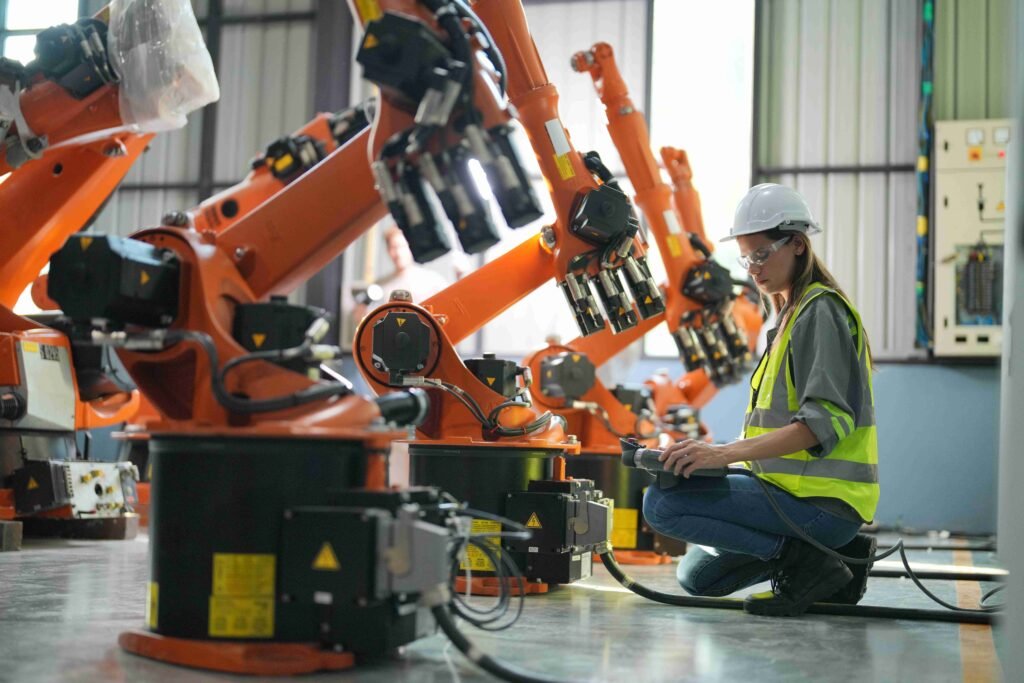
For example, integrating vision transformers for industrial use can significantly enhance defect detection, leading to fewer rejected parts and lower material waste.
3. Real-Time Monitoring and Data Analytics
Deploying sensors and IoT devices across the production line enables continuous monitoring of critical parameters such as temperature, pressure, and machine performance. By analyzing this data, manufacturers can spot trends, anticipate failures, and intervene before scrap accumulates. The benefits of real-time monitoring in manufacturing include faster response times and better decision-making, both of which are essential for reducing waste.
4. Employee Training and Engagement
Operators and technicians are often the first to notice process deviations or quality issues. Providing regular training on best practices, equipment operation, and quality standards empowers staff to take corrective action quickly. Encouraging a culture of accountability and continuous improvement can further reduce the likelihood of scrap.
5. Process Standardization and Automation
Standardizing work instructions and automating repetitive tasks help eliminate variability and reduce the risk of errors. Robotics and CNC machines, for instance, can perform precise operations with minimal deviation, resulting in more consistent product quality and less waste.
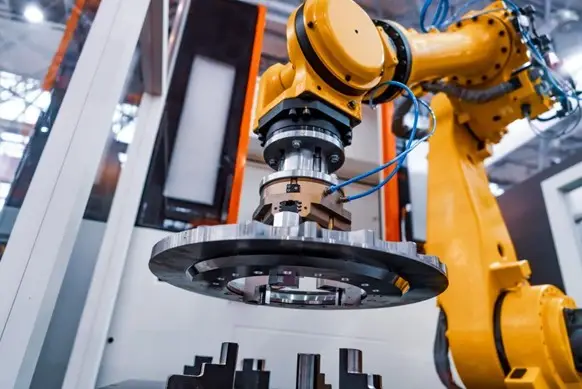
Automation also frees up skilled workers to focus on higher-value tasks, such as troubleshooting and process optimization.
Leveraging Technology for Lower Scrap Rates
Technological advancements are reshaping how manufacturers approach scrap reduction in production lines. Here are some of the most impactful solutions:
- AI-driven visual inspection: Machine learning models can identify subtle defects that might be missed by human inspectors, leading to earlier intervention and less waste.
- Wearable AI devices: These tools support manual inspection by providing real-time feedback and guidance, boosting accuracy and consistency. For more on this, see how wearable AI for manual inspection support is enhancing operator performance.
- Augmented reality (AR): AR overlays can guide workers through complex assembly or inspection tasks, reducing the risk of mistakes and scrap. Learn more about augmented reality in quality audits for practical applications.
- Predictive maintenance: By analyzing machine data, predictive algorithms can forecast equipment failures and schedule maintenance before breakdowns occur, minimizing unplanned downtime and associated scrap.
Adopting these technologies requires an upfront investment, but the long-term savings in materials, labor, and rework can be substantial.
Measuring Success: KPIs for Scrap Reduction
Tracking the right metrics is essential for evaluating the effectiveness of your scrap reduction initiatives. Key performance indicators (KPIs) include:
- Scrap rate: The percentage of material or parts rejected relative to total production.
- Yield: The proportion of products meeting quality standards on the first pass.
- Cost of poor quality (COPQ): The total cost associated with scrap, rework, and warranty claims.
- Downtime: Time lost due to equipment failures or quality issues.
Regularly reviewing these KPIs helps teams identify trends, set realistic targets, and drive continuous improvement.
Common Pitfalls and How to Avoid Them
While many manufacturers strive to reduce waste, several common mistakes can undermine progress:
- Focusing solely on technology without addressing process or culture
- Neglecting to involve frontline employees in improvement efforts
- Failing to standardize processes or document best practices
- Overlooking the importance of supplier quality management
To avoid these pitfalls, take a holistic approach that combines people, process, and technology. Engage employees at all levels, standardize procedures, and work closely with suppliers to ensure consistent input quality.
FAQ: Scrap Reduction in Manufacturing
What are the most effective ways to reduce scrap on a production line?
The most effective methods include root cause analysis, advanced inspection systems, real-time monitoring, employee training, and process automation. Combining these approaches leads to sustainable improvements and lower waste.
How does technology help minimize scrap?
Technologies such as AI-driven inspection, IoT sensors, and predictive analytics enable earlier detection of defects, real-time process adjustments, and proactive maintenance. These tools help manufacturers address issues before they result in significant material loss.
Why is it important to track scrap-related KPIs?
Monitoring KPIs like scrap rate, yield, and cost of poor quality provides insight into process performance and highlights areas for improvement. Data-driven decisions based on these metrics lead to more effective scrap reduction strategies.
Conclusion: Building a Sustainable, Efficient Production Line
Reducing waste is not a one-time project but an ongoing commitment to operational excellence. By combining data-driven analysis, employee engagement, and advanced technologies, manufacturers can achieve significant reductions in scrap, lower costs, and support their sustainability goals. The journey to a more efficient production line starts with a clear understanding of where waste occurs and a willingness to embrace continuous improvement.