
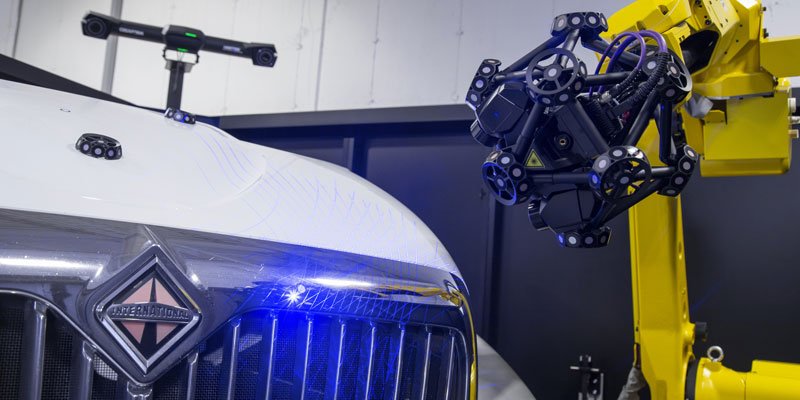
Modern manufacturing and production environments demand efficiency, accuracy, and consistent product quality. As organizations strive to meet these goals, automated quality reporting systems have become essential tools for reducing manual workload and streamlining quality assurance processes. These solutions not only accelerate data collection and analysis but also help teams focus on higher-value tasks by minimizing repetitive reporting activities.
By leveraging advanced software and integrated sensors, businesses can capture, process, and share quality data in real time. This shift from manual to automated reporting leads to faster decision-making, improved compliance, and significant time savings for quality teams. In this article, we’ll explore how these systems work, the benefits they offer, and practical steps for successful implementation.
For organizations seeking to optimize their quality assurance workflows, it’s also valuable to consider downtime reduction through quality monitoring as part of a holistic approach to operational efficiency.
How Automated Reporting Transforms Quality Assurance
Traditional quality reporting often involves manual data entry, paper forms, and time-consuming compilation of inspection results. These methods are prone to human error and can delay the identification of production issues. In contrast, automated quality reporting systems collect data directly from machines, sensors, and inspection devices, instantly generating digital reports and dashboards.
This transformation enables:
- Real-time visibility into process performance and product quality
- Immediate alerts for deviations or defects
- Automatic aggregation of data from multiple sources
- Faster root cause analysis and corrective actions
By automating these steps, teams can spend less time on paperwork and more time on process improvement and problem-solving.

Key Features of Modern Quality Reporting Solutions
The latest generation of reporting tools offers a range of capabilities designed to maximize efficiency and data integrity. Some of the most impactful features include:
- Automated data capture from inspection equipment, IoT sensors, and production lines
- Customizable reporting templates for different products or processes
- Integration with MES, ERP, and other enterprise systems
- Role-based dashboards and access controls for secure information sharing
- Automated notifications and escalation workflows
- Advanced analytics and visualization tools
These features help ensure that quality data is accurate, up to date, and accessible to all relevant stakeholders.
Benefits of Implementing Automated Quality Reporting Systems
Adopting automated solutions for quality reporting can deliver measurable advantages across the organization. The most significant benefits include:
- Time savings: Automated data collection and report generation eliminate manual entry and reduce administrative overhead.
- Improved accuracy: Direct data capture from machines and sensors minimizes human error and ensures reliable records.
- Faster response: Real-time alerts and dashboards enable teams to identify and address issues before they escalate.
- Enhanced compliance: Automated audit trails and standardized reports support regulatory and customer requirements.
- Data-driven decisions: Comprehensive analytics empower teams to identify trends, optimize processes, and drive continuous improvement.
These outcomes not only boost productivity but also contribute to higher product quality and customer satisfaction.
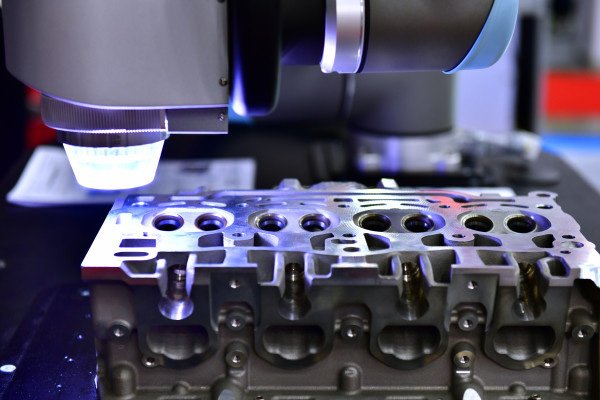
Integrating Automated Reporting with Existing Quality Programs
For many organizations, the transition to automated reporting is part of a broader digital transformation. Successful integration requires careful planning and collaboration between IT, quality, and production teams. Key steps include:
- Assessing current quality processes and identifying manual bottlenecks
- Selecting a reporting platform that supports existing hardware and software
- Mapping data flows and defining reporting requirements
- Training staff on new tools and workflows
- Monitoring system performance and making adjustments as needed
Many companies also combine automated reporting with other digital quality initiatives, such as packaging line quality monitoring and batch quality monitoring systems, to create a comprehensive quality management ecosystem.
Continuous Monitoring and Proactive Quality Management
One of the most powerful aspects of automated quality reporting is the ability to enable continuous monitoring throughout the production process. By collecting and analyzing data in real time, organizations can detect deviations, predict failures, and implement corrective actions before defects reach customers.
This proactive approach reduces scrap, rework, and warranty claims while supporting lean manufacturing and Six Sigma initiatives. It also provides the foundation for advanced capabilities such as predictive maintenance and digital traceability in production, further enhancing operational resilience.
Best Practices for Maximizing the Value of Automated Quality Reporting
To fully realize the benefits of automated reporting, consider the following best practices:
- Start with a clear understanding of your quality objectives and key performance indicators (KPIs)
- Engage cross-functional teams in system selection and implementation
- Prioritize integration with existing systems to avoid data silos
- Regularly review and update reporting templates to reflect process changes
- Leverage analytics to drive continuous improvement and share insights across departments
- Maintain robust data security and access controls
By following these guidelines, organizations can ensure that their investment in automated reporting delivers long-term value and supports ongoing quality improvement.
Connecting Automated Reporting to Broader Digital Quality Initiatives
Automated quality reporting is most effective when integrated with other digital quality management tools. For example, combining reporting systems with digital traceability in production allows for end-to-end visibility and rapid root cause analysis. Similarly, aligning reporting with precision manufacturing monitoring ensures that even the most demanding tolerances are consistently met.
This interconnected approach not only saves time but also creates a culture of transparency and accountability throughout the organization.
Frequently Asked Questions
What types of data can automated quality reporting systems capture?
These systems can collect a wide range of data, including dimensional measurements, visual inspection results, sensor readings, process parameters, and operator inputs. The specific data types depend on the production environment and the integration capabilities of the reporting platform.
How do automated reporting solutions improve compliance?
Automated systems generate standardized, time-stamped reports and maintain digital audit trails. This makes it easier to demonstrate compliance with industry regulations and customer requirements, while reducing the risk of missing or inaccurate records.
Is it difficult to integrate automated reporting with existing production equipment?
Most modern solutions are designed for compatibility with a wide range of inspection devices, sensors, and enterprise systems. However, successful integration may require some customization and collaboration between IT and quality teams to ensure seamless data flow and reporting accuracy.