
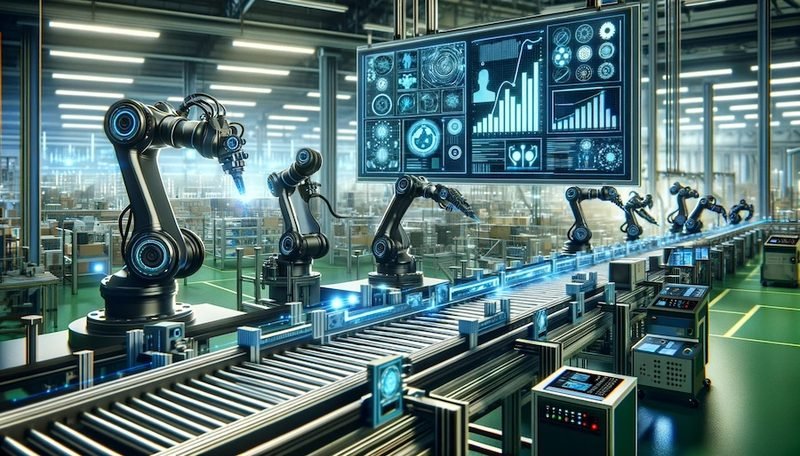
Modern manufacturing faces increasing demands for efficiency, accuracy, and traceability. As factories strive to minimize defects and maximize productivity, next generation quality monitoring systems have emerged as a transformative solution. These advanced platforms leverage artificial intelligence, machine vision, IoT connectivity, and real-time analytics to deliver unprecedented control over product quality and process consistency. By moving beyond traditional inspection methods, manufacturers can detect issues sooner, reduce waste, and respond rapidly to changing production needs.
For organizations seeking to improve plant performance, integrating these intelligent monitoring solutions is no longer optional—it’s a competitive necessity. Early adopters are already seeing measurable benefits, from reduced downtime to higher customer satisfaction. If you’re interested in how these technologies can support downtime reduction through quality monitoring or want to understand the practical aspects of deployment, this article provides a comprehensive overview.
How Modern Quality Monitoring Differs from Traditional Approaches
Conventional quality control in factories often relies on manual inspection, sample-based testing, and periodic audits. While these methods can catch some defects, they are limited by human error, slow feedback, and the inability to monitor every product in real time. In contrast, next generation quality monitoring systems utilize continuous data streams from sensors, cameras, and connected devices to evaluate every unit as it moves through production.
Key differences include:
- Real-time detection: Automated systems identify defects instantly, allowing for immediate corrective action.
- Comprehensive coverage: Every product can be inspected, not just random samples.
- Data-driven insights: Advanced analytics reveal patterns and root causes, supporting proactive improvements.
- Remote monitoring: Supervisors can access dashboards and alerts from anywhere, improving oversight and response times.
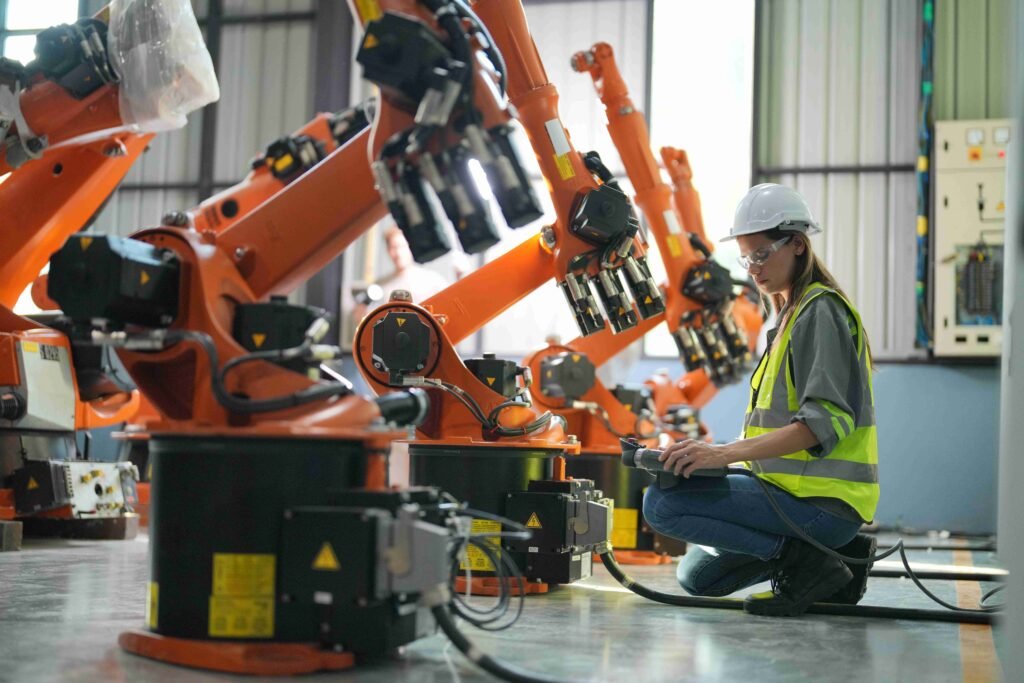
Core Technologies Powering Advanced Monitoring Solutions
The backbone of these intelligent systems is a combination of hardware and software innovations. Here are some of the essential components:
- Machine Vision: High-resolution cameras, often paired with AI algorithms, can detect surface defects, dimensional inaccuracies, and assembly errors faster than the human eye.
- IoT Sensors: Devices embedded throughout the production line collect data on temperature, pressure, vibration, and other parameters that influence quality.
- Cloud-Based Analytics: Data from multiple sources is aggregated and analyzed in real time, providing actionable insights and predictive maintenance alerts.
- Automated Feedback Loops: When an anomaly is detected, the system can trigger adjustments to machinery or alert operators instantly, minimizing the impact of defects.
By integrating these technologies, manufacturers can achieve a level of process control that was previously unattainable. For example, OEE monitoring and quality control platforms now combine production efficiency metrics with quality data, helping teams optimize both output and consistency.
Benefits of Next Generation Quality Monitoring Systems
Adopting advanced monitoring tools brings a range of tangible benefits to manufacturing operations:
- Reduced Scrap and Rework: Early detection of defects prevents defective products from reaching later stages, lowering material waste and labor costs.
- Faster Root Cause Analysis: Continuous data collection enables rapid identification of process deviations, so corrective actions can be taken before issues escalate.
- Enhanced Traceability: Detailed records for every product and process step support regulatory compliance and customer requirements.
- Improved Uptime: Predictive analytics help schedule maintenance before failures occur, supporting higher equipment availability and throughput.
- Scalability: As production needs grow, these systems can be expanded or reconfigured with minimal disruption.
For industries with strict quality standards—such as automotive, electronics, and pharmaceuticals—these advantages can translate directly into higher profitability and market share.
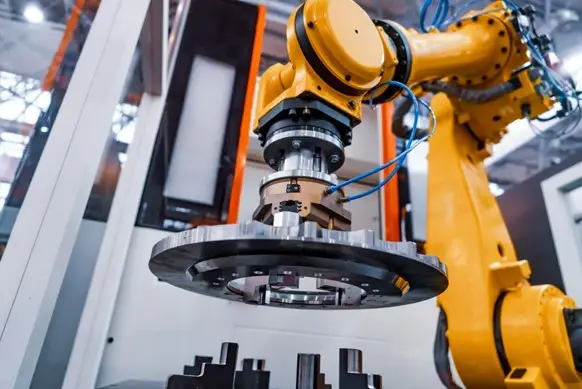
Implementing Intelligent Quality Monitoring in Your Facility
Transitioning to a modern monitoring platform involves several key steps:
- Assess Current Processes: Map out your existing quality control workflows and identify pain points or gaps.
- Define Objectives: Set clear goals, such as reducing defect rates, improving traceability, or increasing throughput.
- Select the Right Technologies: Choose solutions that integrate with your existing equipment and IT infrastructure.
- Pilot and Scale: Start with a pilot project on a single line or product, measure results, and then expand to other areas.
- Train Staff: Ensure operators and quality engineers are comfortable using new dashboards, alerts, and reporting tools.
Many manufacturers also benefit from integrating quality KPI tracking systems to monitor progress and benchmark improvements over time. This data-driven approach ensures that investments in technology deliver measurable returns.
Real-Time Monitoring and Its Impact on Factory Performance
One of the most significant advances in recent years is the ability to monitor quality parameters in real time. This capability enables factories to react instantly to deviations, reducing the risk of large-scale defects and costly recalls. According to industry research on real-time monitoring benefits, organizations that implement continuous oversight see faster issue resolution, better resource allocation, and improved customer satisfaction.
Real-time systems can also be integrated with packaging lines, ensuring that labeling, sealing, and product counts are accurate before items leave the facility. For more on this topic, see how packaging line quality monitoring helps prevent shipping errors and protect brand reputation.
Challenges and Considerations for Adopting New Monitoring Technologies
While the advantages are clear, there are also challenges to consider when adopting these advanced systems:
- Integration Complexity: Connecting new sensors and software with legacy equipment may require custom solutions or upgrades.
- Data Management: Handling large volumes of quality data demands robust IT infrastructure and cybersecurity measures.
- Change Management: Staff may need training and support to adapt to new workflows and technologies.
- Cost: Upfront investment can be significant, but ROI is often realized through reduced waste and improved productivity.
To address these challenges, many manufacturers start with a phased approach, focusing on high-impact areas and gradually expanding coverage. Collaborating with experienced solution providers can also help streamline implementation and maximize value.
Future Trends in Factory Quality Monitoring
The evolution of quality monitoring is far from over. Emerging trends include:
- AI-Driven Predictive Analytics: Machine learning models will increasingly predict defects before they occur, enabling even more proactive interventions.
- Edge Computing: Processing data closer to the source (on the factory floor) reduces latency and bandwidth requirements.
- Greater Interoperability: Open standards and APIs will make it easier to connect diverse equipment and software platforms.
- Automated Reporting: Systems will generate compliance and performance reports automatically, reducing administrative burden.
As these innovations mature, the gap between leaders and laggards in manufacturing quality will continue to widen. Staying informed and agile is essential for long-term success.
Frequently Asked Questions
What industries benefit most from advanced quality monitoring?
Industries with strict regulatory requirements or high product complexity—such as automotive, electronics, food and beverage, and pharmaceuticals—see the greatest benefits. However, any factory seeking to reduce defects and improve efficiency can gain value from these systems.
How do next generation systems improve traceability?
By collecting detailed data on every product and process step, these platforms enable full traceability from raw materials to finished goods. This supports compliance, recalls, and continuous improvement efforts.
Can these systems be integrated with existing factory equipment?
Yes, most modern monitoring solutions are designed to interface with a wide range of legacy and new equipment. Integration may require additional sensors, gateways, or software adapters, but is generally achievable with the right planning.
Are there solutions for batch production environments?
Absolutely. Specialized batch quality monitoring systems help maintain consistency and compliance in batch-oriented manufacturing, ensuring each lot meets quality standards.