
In today’s competitive manufacturing landscape, the ability to measure, analyze, and act on performance data is essential for operational excellence. Quality KPI tracking systems have become a cornerstone for organizations aiming to boost efficiency, maintain compliance, and drive continuous improvement. These platforms provide real-time visibility into production metrics, helping teams identify bottlenecks, prevent defects, and make data-driven decisions that directly impact plant success.
Selecting the right solution is more than a technical decision—it’s a strategic move that can transform how a factory operates. By integrating robust tracking tools, manufacturers can streamline reporting, enhance accountability, and respond rapidly to quality challenges. For those seeking to maintain tight tolerances and achieve consistent results, leveraging precision manufacturing monitoring alongside KPI tracking is a proven strategy.

Understanding the Role of KPI Tracking in Manufacturing
Key Performance Indicators (KPIs) are quantifiable metrics that reflect how well a plant is achieving its quality and production goals. Tracking these indicators in real time allows managers to spot trends, compare performance across shifts or lines, and ensure that standards are consistently met. Modern quality KPI tracking systems automate this process, reducing manual errors and freeing up staff to focus on value-added tasks.
Common KPIs in manufacturing quality include defect rates, first-pass yield, on-time delivery, and downtime. By monitoring these metrics, organizations can quickly identify areas for improvement and implement corrective actions before minor issues escalate into costly problems.

Key Features of Modern Quality KPI Tracking Platforms
Today’s tracking solutions offer a range of features designed to support both operational and strategic goals. Some of the most impactful capabilities include:
- Real-time data collection: Automated sensors and integrations capture process data as it happens, reducing lag and improving accuracy.
- Customizable dashboards: Visualize KPIs in a way that makes sense for your team, with filters for product lines, shifts, or time periods.
- Automated alerts: Get instant notifications when a metric falls outside acceptable limits, enabling rapid response.
- Historical analysis: Track trends over weeks, months, or years to support root cause analysis and long-term planning.
- Integration with compliance systems: Ensure alignment with quality compliance monitoring systems for streamlined audits and reporting.
These features not only enhance visibility but also empower teams to take proactive steps in maintaining high standards across the plant.
Benefits of Implementing KPI Tracking for Plant Operations
Adopting a robust KPI monitoring system offers a range of tangible benefits for manufacturers:
- Faster problem identification: Real-time insights allow teams to address issues before they impact output or customer satisfaction.
- Improved accountability: Clear metrics help assign responsibility and recognize high-performing teams or individuals.
- Continuous improvement: Ongoing measurement supports Lean, Six Sigma, and other improvement methodologies.
- Enhanced compliance: Automated tracking simplifies documentation and helps demonstrate adherence to industry standards.
- Data-driven decision making: Leaders can prioritize investments and initiatives based on objective performance data.
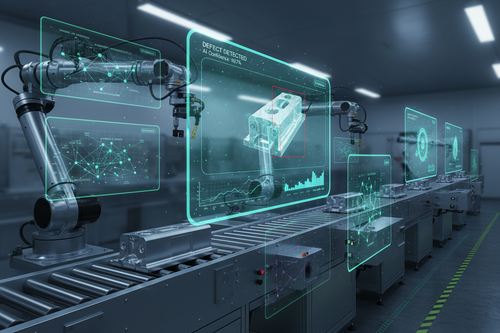
For plants aiming to stay ahead of the curve, integrating these systems with emerging technologies—such as augmented reality in quality audits or AI-powered inspection tools—can further amplify results.
Choosing the Right Solution for Your Facility
Selecting a KPI tracking platform requires careful consideration of your plant’s unique needs and existing infrastructure. Here are some factors to weigh:
- Scalability: Can the system grow with your operations and adapt to new lines or facilities?
- Ease of integration: Will it connect seamlessly with your current ERP, MES, or quality management tools?
- User experience: Is the interface intuitive enough for all team members, from operators to executives?
- Support and training: Does the vendor offer robust onboarding and ongoing assistance?
- Security and compliance: Are data privacy and regulatory requirements addressed?
It’s also important to consider how the system will support future initiatives, such as wearable AI for manual inspection support or the evolution toward autonomous quality control. For more on these trends, explore resources on wearable AI for manual inspection support and the future of autonomous quality control.
Best Practices for Successful Implementation
Rolling out a new KPI tracking system is a significant project, but following proven best practices can help ensure a smooth transition and rapid ROI:
- Define clear objectives: Identify which KPIs matter most for your business goals and communicate these priorities to all stakeholders.
- Engage cross-functional teams: Involve operators, quality engineers, IT, and leadership to ensure buy-in and comprehensive coverage.
- Start with a pilot: Test the system on a single line or process before scaling up, allowing for adjustments based on real-world feedback.
- Provide thorough training: Equip staff with the knowledge they need to leverage the system’s features effectively.
- Review and refine: Regularly assess performance, gather user input, and make iterative improvements to maximize value.
These steps help organizations avoid common pitfalls and unlock the full potential of their investment in performance monitoring.
Real-Time Monitoring: The Key to Proactive Quality Management
One of the most transformative aspects of modern KPI tracking is the shift from reactive to proactive quality management. With real-time monitoring, plants can detect deviations instantly and take corrective action before defects reach customers or trigger costly recalls. This approach not only safeguards product quality but also reduces waste and downtime.
For a deeper dive into how real-time data is changing the game, see this in-depth guide on proactive quality management.
Integrating KPI Tracking with Other Quality Technologies
To maximize the impact of KPI tracking, many manufacturers are integrating these systems with other digital tools. For example, combining tracking platforms with compliance monitoring, augmented reality, or AI-driven inspection can create a comprehensive quality ecosystem. This interconnected approach not only streamlines workflows but also provides richer insights for continuous improvement.
As technology evolves, expect to see even greater synergy between tracking systems and advanced manufacturing solutions, paving the way for smarter, more agile factories.
Frequently Asked Questions
What are the most important KPIs to track in a manufacturing plant?
While every facility has unique priorities, common quality KPIs include defect rates, first-pass yield, scrap rate, on-time delivery, and equipment downtime. The right mix depends on your operational goals and customer requirements.
How do quality KPI tracking systems improve compliance?
Automated tracking platforms simplify documentation and reporting, making it easier to demonstrate adherence to industry standards and pass audits. They also help identify compliance gaps early, reducing the risk of costly violations.
Can these systems integrate with existing factory software?
Most modern solutions are designed for seamless integration with ERP, MES, and quality management systems. This ensures consistent data flow and minimizes manual data entry, enhancing overall efficiency.