
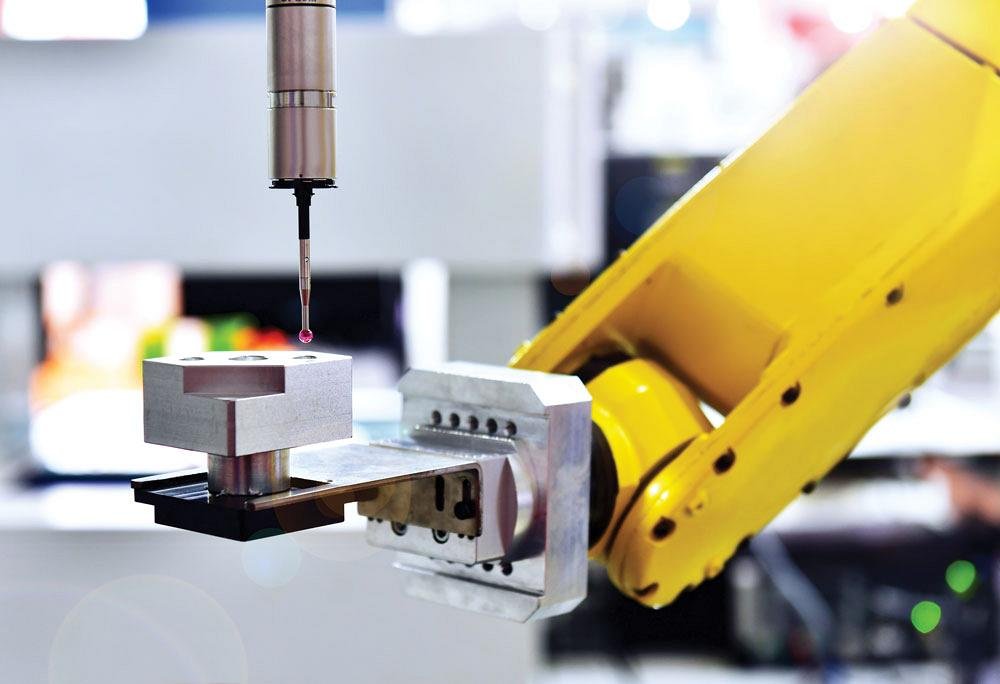
Real time image processing inspection has become a cornerstone of modern manufacturing, especially for industries operating high-speed production lines. As demand for quality and efficiency grows, manufacturers are turning to advanced vision systems to detect defects, monitor quality, and ensure compliance—all without slowing down throughput. This technology leverages powerful cameras, lighting, and software algorithms to analyze products in milliseconds, making it possible to catch issues before they escalate into costly problems.
Implementing these systems is not just about automation—it’s about gaining actionable insights and maintaining consistent quality at scale. For facilities focused on downtime reduction through quality monitoring, integrating intelligent inspection tools can be a game-changer. To learn more about strategies that minimize interruptions and improve productivity, see downtime reduction through quality monitoring.
This article explores the essentials of rapid visual inspection, key components, benefits, challenges, and best practices for deploying these solutions on fast-moving lines.
How Automated Visual Inspection Works on High-Speed Lines
Automated inspection systems for rapid production environments rely on a combination of high-resolution cameras, specialized lighting, and advanced image processing algorithms. As products move along the conveyor, cameras capture images or video frames at high speed. The software then analyzes these images in real time, comparing them to predefined standards or models to identify defects, deviations, or missing components.
The speed and accuracy of these systems are critical. For example, in food and beverage, electronics, or pharmaceutical manufacturing, even a minor defect can lead to recalls or safety issues. By providing instant feedback, these systems allow operators to take corrective action immediately, reducing waste and improving overall equipment effectiveness. For a deeper dive into how these solutions impact plant performance, consider reading about OEE monitoring and quality control.
Key Technologies Behind Real-Time Image Processing Inspection
Several technological advancements have made rapid inspection possible and reliable:
- High-Speed Cameras: Capable of capturing hundreds or thousands of frames per second, these cameras ensure no product escapes scrutiny, even on the fastest lines.
- LED and Laser Lighting: Consistent, flicker-free illumination is essential for clear image capture and accurate analysis.
- Edge Computing: Processing images directly at the source (the camera or local device) minimizes latency and enables instant decision-making.
- AI and Machine Learning: Advanced algorithms can be trained to recognize subtle defects, adapt to new product variants, and reduce false positives.
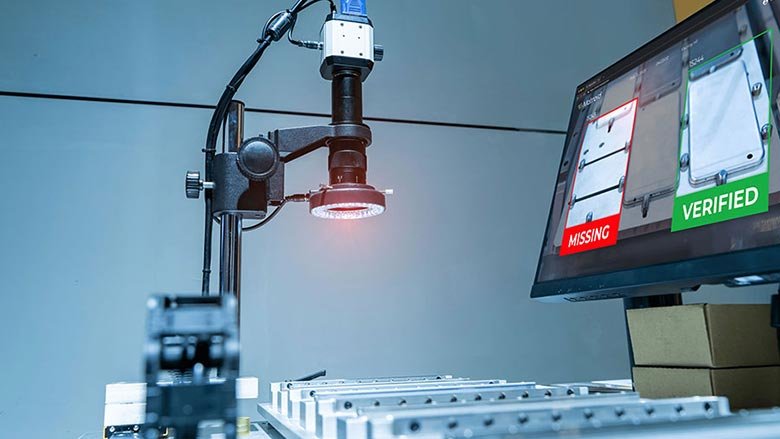
These components work together to deliver robust, scalable inspection solutions that keep pace with modern manufacturing demands.
Benefits of Instant Visual Quality Control
Deploying real time image processing inspection on fast lines offers several tangible advantages:
- Reduced Defects: Immediate detection means issues are caught before they reach customers, minimizing returns and recalls.
- Lower Downtime: Automated alerts and analytics help maintenance teams address problems quickly, supporting continuous operation.
- Consistent Quality: Objective, repeatable inspections eliminate human error and subjectivity.
- Data-Driven Insights: Systems generate valuable data for process improvement, root cause analysis, and regulatory compliance.
- Scalability: Solutions can be adapted for new products, packaging, or line speeds with minimal reconfiguration.
For organizations seeking to measure and improve their performance, integrating quality KPI tracking systems with inspection data can provide a holistic view of plant success.
Challenges in Implementing High-Speed Inspection Systems
While the benefits are clear, deploying these systems is not without hurdles:
- Lighting and Environmental Factors: Variations in ambient light, dust, or vibration can affect image quality and accuracy.
- Integration with Existing Equipment: Retrofitting older lines may require custom mounts, enclosures, or interfaces.
- Data Management: High-speed inspection generates large volumes of image data, requiring robust storage and processing solutions.
- Algorithm Training: AI models must be trained on representative defect samples, which can be time-consuming for new products.
- Change Management: Operators and maintenance staff need training to trust and maintain automated systems.
Despite these challenges, many manufacturers find that the long-term gains in quality and efficiency far outweigh the initial investment and learning curve.
Best Practices for Deploying Rapid Inspection Solutions
To maximize the value of real-time visual inspection, consider the following best practices:
- Start with a Pilot: Test the system on a single line or product to validate performance and identify integration needs.
- Optimize Lighting: Use controlled, consistent lighting to minimize shadows and reflections.
- Leverage Edge Processing: Analyze images locally to reduce network congestion and latency.
- Continuously Update Algorithms: Regularly retrain AI models with new defect samples to maintain accuracy.
- Integrate with MES/ERP: Connect inspection data to manufacturing execution and enterprise resource planning systems for end-to-end traceability.
- Monitor and Maintain: Schedule regular calibration and maintenance to ensure consistent performance.
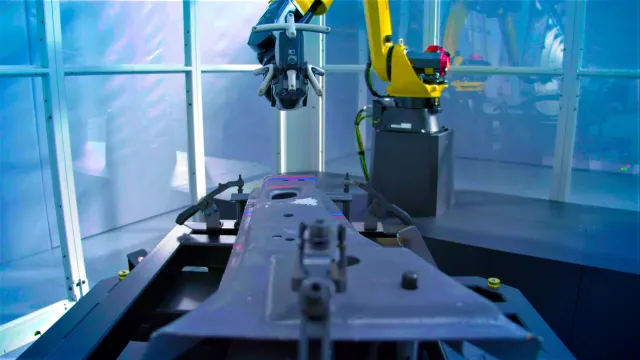
For packaging and shipping operations, integrating packaging line quality monitoring can further reduce errors and ensure compliance with customer requirements.
Compliance and Continuous Monitoring
In regulated industries, maintaining compliance is a top priority. Automated inspection systems can help document every product’s quality status, providing an auditable trail for regulators and customers. For organizations interested in ongoing risk management, continuous controls monitoring offers a framework for integrating inspection data with broader compliance initiatives.
Batch-based production environments can also benefit from batch quality monitoring systems, ensuring that every lot meets internal and external standards.
Future Trends in Fast-Line Visual Inspection
The landscape of real time image processing inspection is rapidly evolving. Key trends shaping the future include:
- Increased Use of AI: Deep learning models are becoming more accurate at detecting complex defects and adapting to product changes.
- Cloud Integration: Inspection data is increasingly being sent to the cloud for centralized analytics and remote monitoring.
- Collaborative Robots: Cobots equipped with vision systems can perform both inspection and manipulation tasks, increasing flexibility.
- Predictive Maintenance: Inspection data is used not just for quality, but also to predict equipment failures and schedule proactive maintenance.
As these technologies mature, manufacturers can expect even greater efficiency, lower costs, and improved product quality.
FAQ
What types of defects can real-time image processing systems detect?
These systems can identify a wide range of issues, including surface scratches, dents, missing components, incorrect labeling, color deviations, and dimensional inaccuracies. The specific defects detected depend on the configuration and training of the inspection algorithms.
How fast can automated inspection systems operate?
Modern solutions can inspect hundreds or even thousands of products per minute, depending on camera speed, line speed, and processing power. The key is to match the system’s capabilities to the production requirements to avoid bottlenecks.
Is it difficult to integrate real-time visual inspection with existing production lines?
Integration can vary in complexity. Newer lines often have provisions for vision systems, while older lines may require custom mounts or interfaces. Working with experienced vendors and starting with pilot projects can help smooth the process.