
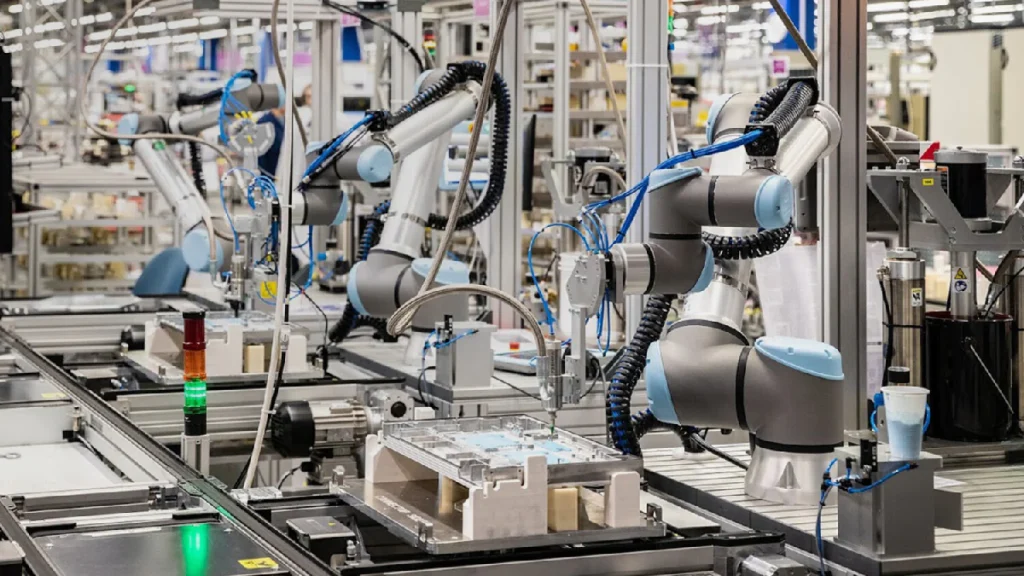
Manufacturers across industries are under constant pressure to deliver products that meet strict standards while keeping costs and waste to a minimum. As production volumes rise and customer expectations grow, manual inspection and traditional quality assurance methods often fall short. This is where quality control automation systems come into play, offering a way to monitor, analyze, and optimize output with unprecedented speed and accuracy.
These advanced solutions combine sensors, machine vision, data analytics, and software integration to automate the detection of defects, ensure compliance, and provide real-time feedback. By leveraging such technology, organizations can significantly reduce human error, increase throughput, and maintain consistent quality across every batch. For operations managers and plant engineers, adopting automated quality control is no longer just a competitive advantage—it’s fast becoming a necessity.
For those interested in how automated quality monitoring can also support downtime reduction through quality monitoring, integrating these systems can help identify root causes and prevent costly production halts early in the process.
Understanding Automated Quality Control Solutions
Automated quality control refers to the use of technology to inspect, measure, and verify products during manufacturing. Unlike manual inspection, which is labor-intensive and prone to inconsistencies, automation leverages high-speed cameras, sensors, and artificial intelligence to assess every item as it moves down the line. These systems are designed to catch defects, deviations, and process anomalies in real time, ensuring that only products meeting specifications reach the next stage.
The core components of most quality control automation systems include:
- Machine vision: Cameras and image processing software to detect surface defects, dimensional errors, and assembly issues.
- Sensors: Devices that measure weight, temperature, pressure, or other physical properties.
- Data analytics: Software that collects, analyzes, and reports quality metrics for continuous improvement.
- Integration platforms: Middleware that connects inspection data to MES, ERP, or other plant management systems.

Key Benefits of Automated Inspection and Monitoring
Implementing automated inspection delivers a range of tangible benefits for manufacturers. Some of the most impactful advantages include:
- Increased accuracy: Automated systems can detect even the smallest defects or deviations that may be missed by human inspectors.
- Higher throughput: Inspections can occur at production line speeds, eliminating bottlenecks and supporting greater output.
- Consistent quality: Automation ensures that every product is measured against the same criteria, reducing variability and rework.
- Real-time feedback: Operators and managers receive instant alerts and reports, enabling quick corrective actions.
- Data-driven decisions: Continuous data collection supports process optimization and long-term quality improvements.
For organizations aiming to boost plant efficiency through OEE monitoring and quality control, automated inspection systems provide the foundation for accurate measurement and actionable insights.
How Quality Control Automation Systems Work
The operation of these systems can be broken down into several key steps:
- Data capture: As products move along the line, cameras and sensors collect images and measurements.
- Analysis: Advanced algorithms and AI models process the data, comparing it to predefined quality standards.
- Decision-making: The system determines if each item passes or fails, often triggering automated sorting or rejection mechanisms.
- Reporting: All results are logged and visualized in dashboards, making it easy to spot trends or recurring issues.

Modern solutions often integrate seamlessly with quality KPI tracking systems, allowing for rapid measurement of plant performance and more effective root cause analysis.
Applications Across Manufacturing Sectors
Automated inspection and monitoring are now used in a wide variety of industries, including:
- Automotive: Checking welds, paint finishes, and component assembly for safety and compliance.
- Food and beverage: Ensuring packaging integrity, fill levels, and contamination prevention.
- Pharmaceuticals: Verifying label accuracy, tablet count, and product traceability.
- Electronics: Detecting soldering defects, missing components, and alignment errors.
- Consumer goods: Monitoring packaging line quality to prevent shipping errors and returns.
For example, packaging line quality monitoring systems help prevent costly shipping mistakes and improve customer satisfaction by catching errors before products leave the facility.
Choosing the Right Automated Quality Solution
Selecting the best system for your operation depends on several factors:
- Product type and complexity: Some solutions are tailored for specific materials, shapes, or assembly processes.
- Inspection speed: High-volume lines may require faster cameras and processors.
- Integration needs: Consider how the system will connect with existing MES, ERP, or batch quality monitoring systems.
- Scalability: Choose a platform that can grow with your production demands.
- Support and maintenance: Reliable vendor support ensures minimal downtime and quick troubleshooting.
It’s also important to evaluate the system’s ability to provide actionable data. For more on the benefits of real-time monitoring, see this resource on real-time production monitoring benefits.
Best Practices for Implementation and Optimization
To maximize the value of automated quality control, manufacturers should follow these best practices:
- Define clear quality standards: Establish measurable criteria for pass/fail decisions before deployment.
- Start with a pilot program: Test the system on a single line or product to validate performance and ROI.
- Train staff: Ensure operators and engineers understand how to use the system and interpret its data.
- Monitor and adjust: Continuously review inspection results and fine-tune settings as needed.
- Integrate with continuous improvement: Use the insights gained to drive process optimization and reduce defects over time.
Many companies also benefit from integrating their automated inspection with batch quality monitoring systems, which help ensure consistency across large production runs.
Frequently Asked Questions
What types of defects can automated quality control systems detect?
These systems can identify a wide range of issues, including surface scratches, dimensional inaccuracies, missing components, incorrect labeling, fill level errors, and more. The specific capabilities depend on the sensors and software used, but modern solutions are highly adaptable to different inspection needs.
How do automated inspection systems integrate with existing production lines?
Most platforms are designed for seamless integration with conveyor systems, robotic arms, and plant management software. They can be installed as standalone units or connected to MES and ERP systems for centralized data collection and reporting.
Are automated quality control solutions suitable for small and medium-sized manufacturers?
Yes, advances in technology have made these systems more affordable and scalable. Many vendors offer modular solutions that can be tailored to the needs and budgets of smaller operations, allowing them to benefit from improved accuracy and efficiency without large upfront investments.
Conclusion
The adoption of quality control automation systems is transforming how manufacturers approach inspection, compliance, and process optimization. By leveraging machine vision, sensors, and real-time analytics, organizations can achieve higher accuracy, reduce waste, and maintain consistent product quality at scale. As customer expectations and regulatory requirements continue to rise, investing in automated quality assurance is a practical step toward future-proofing your operations and staying ahead in a competitive market.