

In modern production environments, identifying and addressing process fluctuations quickly is crucial for maintaining product quality, minimizing waste, and reducing downtime. Variance detection in manufacturing refers to the systematic monitoring and analysis of process data to uncover unexpected changes or spikes that could signal underlying issues. By catching these anomalies early, manufacturers can prevent costly defects, optimize operations, and improve overall efficiency.
Effective variance detection is more than just tracking numbers—it’s about understanding the story behind the data and acting before minor deviations become major problems. As manufacturing lines become increasingly automated and data-driven, the ability to spot and respond to outliers is a key differentiator for competitive, resilient operations.
For organizations looking to enhance their monitoring capabilities, integrating OEE monitoring and quality control systems can further support early detection and rapid response to process variances.
Understanding Variance in the Production Process
Variance in manufacturing refers to any deviation from expected values in process parameters, product dimensions, or quality metrics. These deviations can be caused by equipment wear, raw material inconsistencies, operator error, or environmental changes. Not all variance is problematic—some is natural and within acceptable limits. However, sudden spikes or persistent shifts often indicate issues that require attention.
Variance detection in manufacturing involves continuous measurement and analysis of key indicators such as temperature, pressure, speed, and output quality. By establishing baseline performance and acceptable thresholds, manufacturers can quickly recognize when a process is drifting out of control.
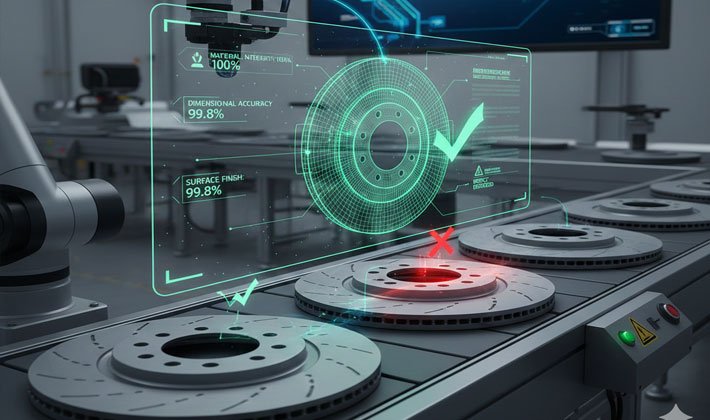
Why Early Detection of Spikes Matters
Catching process anomalies early delivers several important benefits:
- Prevents defective products: Quick intervention stops defects from reaching customers or causing costly rework.
- Reduces downtime: Identifying root causes before equipment fails minimizes unplanned stoppages and production losses.
- Improves resource efficiency: Early action reduces scrap, saves energy, and optimizes material usage.
- Supports compliance: Consistent monitoring helps meet regulatory and customer quality standards.
For manufacturers focused on downtime reduction through quality monitoring, robust variance detection is a foundational capability.
Key Techniques for Variance Detection in Manufacturing
There are several proven approaches to identifying and managing process variation on the shop floor:
Statistical Process Control (SPC)
SPC uses control charts and statistical methods to monitor process stability. By plotting real-time data against control limits, teams can visualize trends and spot out-of-control conditions before they escalate. This method is especially effective for detecting gradual drifts and sudden spikes in critical parameters.
Automated Sensor-Based Monitoring
Modern manufacturing lines are equipped with a wide array of sensors that capture data on temperature, vibration, pressure, and more. Automated systems can analyze this data in real time, triggering alerts when values exceed predefined thresholds. This enables rapid response and minimizes human error.
Machine Learning and Predictive Analytics
Advanced analytics platforms leverage machine learning algorithms to identify subtle patterns and predict future anomalies. These systems can adapt to changing conditions, learning from historical data to improve detection accuracy over time. Predictive analytics is particularly valuable for complex, high-mix production environments.
Integrating Variance Monitoring with Quality Systems
To maximize the impact of variance detection, it should be integrated with broader quality management and operational systems. Linking variance alerts to quality KPI tracking systems ensures that deviations are not only detected but also contextualized within overall plant performance. This integration supports data-driven decision-making and continuous improvement.
Batch and packaging processes also benefit from targeted variance monitoring. For example, batch quality monitoring systems help maintain consistency across production runs, while packaging line quality monitoring can prevent shipping errors caused by process fluctuations.
Best Practices for Effective Anomaly Detection
- Define clear thresholds: Set realistic control limits based on historical data and process capability.
- Automate data collection: Use sensors and digital systems to ensure timely, accurate data capture.
- Train teams on response protocols: Ensure operators and engineers know how to react to alerts and investigate root causes.
- Review and refine regularly: Continuously analyze detection performance and adjust thresholds as processes evolve.
- Link to continuous monitoring: Adopt continuous monitoring practices to maintain high visibility and responsiveness across all production stages.
Overcoming Common Challenges
While the benefits of early variance detection are clear, manufacturers often face obstacles such as data overload, false alarms, and integration issues. Addressing these challenges requires a combination of technology and process discipline:
- Implement filtering and prioritization to focus on the most critical deviations.
- Invest in user-friendly dashboards that provide actionable insights rather than raw data dumps.
- Foster a culture of quality where variance alerts are seen as opportunities for improvement, not just problems to fix.
FAQ: Variance Monitoring in Manufacturing
What types of data are most important for variance detection?
Key data sources include process parameters (temperature, pressure, speed), product measurements (dimensions, weight), and quality inspection results. Integrating these data streams provides a comprehensive view of process stability.
How often should variance thresholds be reviewed?
Thresholds should be reviewed regularly—at least quarterly or whenever there are significant process changes. Continuous improvement efforts may reveal opportunities to tighten or relax limits based on actual performance.
Can variance detection help with regulatory compliance?
Yes, robust variance monitoring supports compliance by ensuring consistent product quality and providing traceable records of process control. This is especially important in regulated industries like food, pharmaceuticals, and automotive.
How does variance detection relate to OEE?
Effective anomaly detection supports Overall Equipment Effectiveness (OEE) by reducing unplanned downtime, minimizing defects, and improving throughput. Integrating variance monitoring with OEE tracking systems helps manufacturers identify and address root causes of performance losses.
Conclusion
Spotting process spikes and deviations early is essential for maintaining high-quality, efficient manufacturing operations. By leveraging statistical tools, automated sensors, and advanced analytics, manufacturers can detect and address issues before they escalate. Integrating variance monitoring with broader quality and operational systems ensures a proactive approach to process control, supporting both compliance and continuous improvement.
As manufacturing evolves, the ability to detect and act on process variance will remain a cornerstone of operational excellence and competitive advantage.