
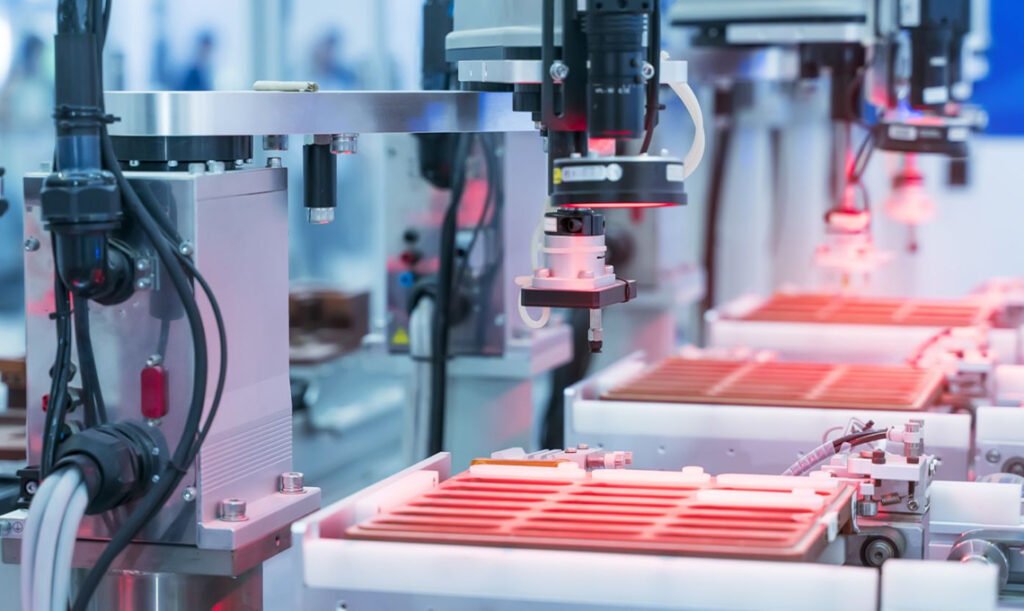
Modern manufacturing is undergoing a significant transformation as digitalization and automation become central to plant operations. Among the most impactful advancements is automated visual inspection technology, which leverages artificial intelligence, machine vision, and robotics to enhance quality control and operational efficiency. By integrating these systems, smart plants can detect defects, monitor processes in real time, and reduce human error, all while maintaining high throughput.
As industries strive for higher productivity and reduced downtime, the adoption of intelligent inspection solutions is accelerating. These systems not only ensure product consistency but also provide actionable data to drive continuous improvement. For organizations focused on downtime reduction through quality monitoring, automated visual inspection is a cornerstone of modern quality assurance strategies.
How Automated Visual Inspection Works in Smart Manufacturing
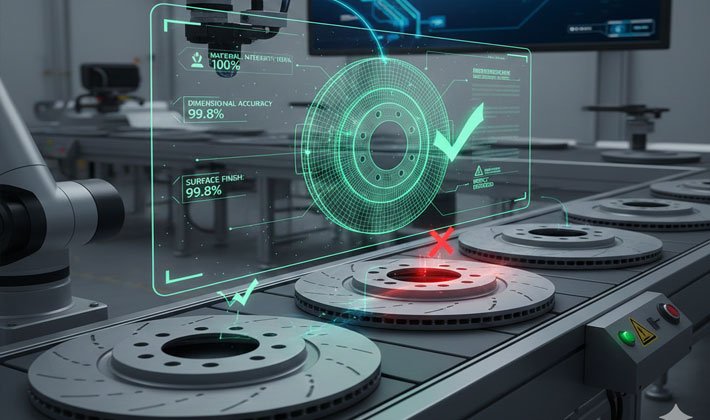
At its core, automated visual inspection technology uses cameras, sensors, and advanced algorithms to analyze products and processes. High-resolution imaging devices capture detailed visuals of components or finished goods as they move through production lines. These images are then processed by machine learning models trained to identify anomalies, such as surface defects, dimensional inaccuracies, or assembly errors.
Unlike manual inspection, which can be subjective and inconsistent, automated systems deliver objective, repeatable results at high speed. This capability is particularly valuable in industries like automotive, electronics, food and beverage, and pharmaceuticals, where quality standards are stringent and product volumes are high.
Key Benefits of Visual Inspection Automation
Implementing automated inspection systems brings a range of advantages to smart plants:
- Increased Accuracy: Automated systems can detect minute defects that might be missed by the human eye, ensuring higher product quality.
- Consistent Output: Machine vision delivers uniform inspection standards, reducing variability and rework.
- Faster Throughput: High-speed cameras and real-time processing enable rapid inspection, supporting greater production rates.
- Lower Operational Costs: By minimizing manual labor and reducing waste, plants can achieve significant cost savings.
- Actionable Data: Inspection systems generate valuable data for process optimization and predictive maintenance.
For facilities aiming to improve OEE monitoring and quality control, integrating automated inspection is a proven way to boost plant efficiency and reliability.
Applications Across Industries
The versatility of visual inspection automation makes it suitable for a wide range of industrial applications. Some common use cases include:
- Surface Defect Detection: Identifying scratches, dents, or contamination on metal, plastic, or glass surfaces.
- Dimensional Measurement: Verifying that parts meet precise size and shape specifications.
- Assembly Verification: Ensuring components are correctly positioned and assembled.
- Label and Packaging Inspection: Checking for correct labeling, barcodes, and package integrity to prevent shipping errors.
- Food Quality Assessment: Detecting foreign objects, color inconsistencies, or packaging defects in food production.
For packaging operations, packaging line quality monitoring powered by automated visual systems helps prevent costly shipping mistakes and enhances customer satisfaction.
Core Components of Automated Inspection Systems
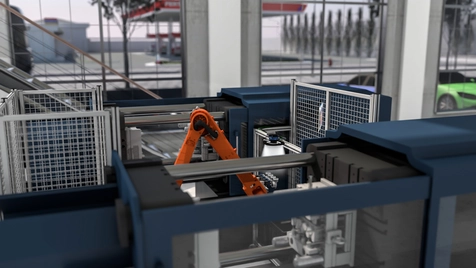
A typical automated inspection setup in a smart plant consists of several integrated components:
- Imaging Hardware: Industrial cameras, lighting, and lenses capture high-quality images of products as they move through the line.
- Processing Units: Edge computers or cloud-based servers process images using advanced algorithms and AI models.
- Software Platforms: Specialized software analyzes visual data, flags defects, and generates reports for operators and managers.
- Connectivity: Integration with plant MES, ERP, or SCADA systems allows seamless data exchange and process control.
These elements work together to deliver reliable, scalable inspection capabilities that can adapt to changing production requirements.
Integrating Visual Inspection with Plant Quality Systems
For maximum impact, automated inspection should be part of a broader quality management strategy. By linking inspection data with quality KPI tracking systems, plants can measure performance, identify trends, and drive continuous improvement. Real-time alerts and analytics enable teams to respond quickly to deviations, minimizing scrap and downtime.
In batch production environments, batch quality monitoring systems can be enhanced with automated inspection to ensure every lot meets specifications before release. This integration supports regulatory compliance and customer satisfaction.
Challenges and Considerations in Deploying Inspection Automation
While the benefits are clear, implementing automated visual inspection technology does come with challenges. Key considerations include:
- Initial Investment: Upfront costs for hardware, software, and integration can be significant, though ROI is often realized through improved quality and efficiency.
- System Calibration: Inspection systems must be carefully calibrated and maintained to ensure accuracy over time.
- Change Management: Workforce training and process adjustments are necessary to fully leverage new technology.
- Data Security: As inspection systems become more connected, protecting sensitive production data is essential.
To address these challenges, many organizations adopt a phased approach, starting with pilot projects and scaling up as benefits are demonstrated.
Continuous Monitoring and Future Trends
The future of smart manufacturing lies in continuous, real-time monitoring of all critical processes. Automated inspection is a key enabler of this vision. As AI and machine learning models become more sophisticated, inspection systems will be able to detect even subtler defects, adapt to new products with minimal retraining, and provide predictive insights for maintenance and process optimization.
For a deeper understanding of how continuous monitoring is shaping modern plants, see this comprehensive overview of continuous monitoring in manufacturing.
Frequently Asked Questions
What types of defects can automated visual inspection detect?
These systems can identify a wide range of issues, including surface scratches, dents, color inconsistencies, incorrect assembly, missing components, and packaging errors. The specific capabilities depend on the imaging hardware and AI models used.
How does automated inspection improve plant efficiency?
By providing fast, accurate, and consistent quality checks, automated systems reduce the need for manual inspection, minimize rework, and help prevent defective products from reaching customers. This leads to higher throughput, lower costs, and improved overall equipment effectiveness.
Is it difficult to integrate automated inspection with existing plant systems?
Most modern inspection platforms are designed for compatibility with MES, ERP, and SCADA systems. While integration requires planning and technical expertise, it is generally straightforward, especially when working with experienced solution providers.
Conclusion
Automated visual inspection technology is rapidly becoming a standard in smart manufacturing environments. By delivering precise, real-time quality control, these systems help plants achieve higher efficiency, reduce waste, and maintain competitive advantage. As technology continues to evolve, the integration of AI-driven inspection with broader plant management systems will open new opportunities for continuous improvement and operational excellence.