
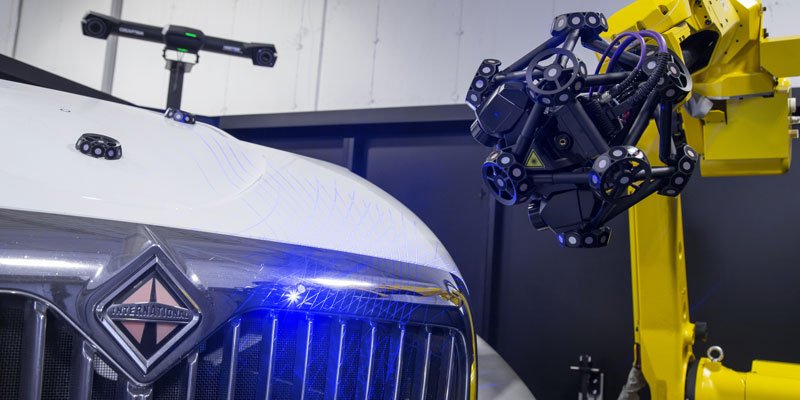
Manufacturers today face increasing pressure to deliver consistent quality, minimize waste, and respond quickly to market demands. As production lines become more complex, traditional quality control methods often fall short. This is where advanced manufacturing quality analytics steps in, providing teams with the data-driven insights needed to make smarter, faster decisions and drive continuous improvement.
By integrating real-time data collection, machine learning, and predictive analytics, modern quality analytics platforms empower organizations to identify issues early, optimize processes, and reduce costly downtime. These solutions go beyond basic inspection, offering actionable intelligence that helps teams achieve higher efficiency and product reliability.
For those looking to reduce unplanned stoppages and improve process stability, exploring downtime reduction through quality monitoring can be a valuable next step. Leveraging analytics to monitor and address quality issues in real time is a proven strategy for minimizing production disruptions.
What Sets Modern Quality Analytics Apart?
The shift from manual inspections to automated, analytics-driven quality management has transformed how manufacturers operate. Traditional systems often rely on periodic sampling and reactive measures. In contrast, today’s advanced manufacturing quality analytics platforms continuously collect and analyze data from across the production environment.
Key differentiators include:
- Real-time monitoring: Sensors and IoT devices capture data instantly, enabling immediate detection of deviations.
- Predictive insights: Machine learning models analyze historical and live data to forecast potential quality issues before they escalate.
- Automated reporting: Custom dashboards and alerts keep teams informed, reducing manual effort and human error.
- Root cause analysis: Advanced analytics tools help teams quickly identify the underlying causes of defects, not just the symptoms.
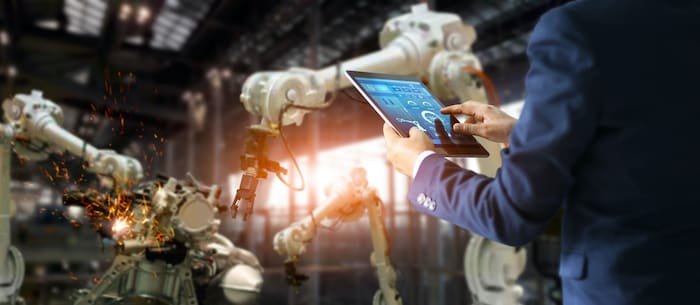
Key Benefits for Manufacturing Teams
Implementing quality analytics solutions delivers a range of tangible benefits for production teams and management alike. Some of the most impactful advantages include:
- Reduced scrap and rework: Early detection of process drift or equipment issues helps prevent defective products from reaching later stages.
- Improved compliance: Automated record-keeping and traceability simplify audits and regulatory reporting.
- Faster root cause identification: Data-driven analysis accelerates troubleshooting, minimizing downtime and lost productivity.
- Enhanced collaboration: Centralized dashboards and shared metrics foster a culture of transparency and continuous improvement.
- Optimized resource allocation: Teams can focus efforts where they’re needed most, based on real-time performance data.
For organizations seeking to maximize plant efficiency, combining analytics with OEE monitoring and quality control strategies can unlock even greater value.
Core Components of Advanced Quality Analytics
A robust analytics framework for manufacturing quality typically includes several key elements:
- Data Acquisition: Collecting information from sensors, vision systems, and production equipment forms the foundation of any analytics initiative.
- Data Integration: Aggregating data from disparate sources—such as MES, ERP, and SCADA systems—enables holistic analysis.
- Analytics Engine: Machine learning algorithms and statistical models process the data to uncover patterns, trends, and anomalies.
- Visualization & Reporting: Interactive dashboards and automated reports translate complex data into actionable insights for all stakeholders.
- Continuous Feedback Loop: Insights are fed back into operations, enabling ongoing process optimization and rapid response to emerging issues.
Real-World Applications and Use Cases
Manufacturers across industries are leveraging analytics to address a variety of quality challenges. Some common applications include:
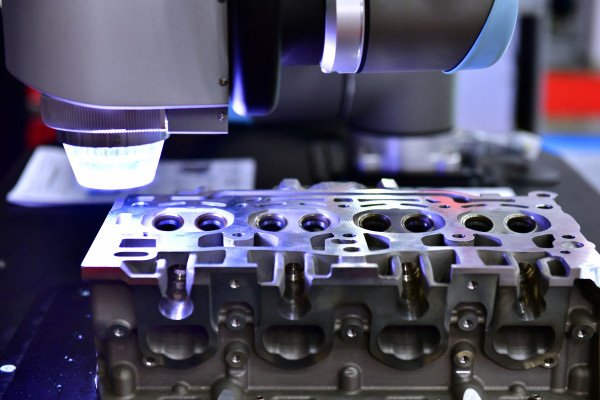
- Automated defect detection: Machine vision systems powered by analytics can identify surface flaws, dimensional inaccuracies, or assembly errors in real time.
- Process capability analysis: Statistical tools assess whether production processes are consistently meeting specifications, enabling proactive adjustments.
- Batch and lot traceability: Analytics platforms track materials and components throughout the production cycle, supporting rapid recalls and root cause investigations.
- Packaging and labeling verification: Automated checks help prevent costly shipping errors and ensure regulatory compliance.
For teams focused on maintaining consistent output, exploring batch quality monitoring systems can provide additional layers of assurance and control.
Continuous Monitoring and Proactive Quality Management
One of the most significant advances in recent years is the shift toward continuous monitoring of quality parameters. Rather than relying on periodic checks, continuous data collection allows teams to spot trends, detect anomalies, and intervene before defects occur.
This proactive approach not only reduces waste and rework but also supports a culture of ongoing improvement. By making quality data visible and actionable, organizations can empower every team member to contribute to better outcomes.
Integrating Analytics with Existing Processes
Adopting advanced analytics doesn’t mean starting from scratch. Many solutions are designed to integrate seamlessly with existing manufacturing systems, including MES, ERP, and legacy quality control tools. This interoperability ensures that teams can leverage current investments while gaining new capabilities.
For example, implementing quality KPI tracking systems alongside analytics platforms enables organizations to measure and benchmark performance, set improvement targets, and monitor progress over time.
Best Practices for Implementation
To maximize the value of quality analytics, manufacturers should consider the following best practices:
- Start with clear objectives: Define specific goals, such as reducing defects, improving yield, or shortening response times.
- Engage cross-functional teams: Involve operators, engineers, and quality managers to ensure broad buy-in and practical insights.
- Invest in training: Equip staff with the skills needed to interpret data and act on insights.
- Prioritize scalability: Choose solutions that can grow with your operations and adapt to changing needs.
- Monitor and refine: Regularly review analytics outputs and adjust processes to drive continuous improvement.
Frequently Asked Questions
How does advanced quality analytics differ from traditional quality control?
Traditional quality control often relies on manual inspections and periodic sampling, which can miss intermittent issues and delay response times. In contrast, advanced analytics uses automated data collection, real-time monitoring, and predictive modeling to provide continuous oversight and deeper insights into process performance.
What types of data are used in manufacturing quality analytics?
These systems typically gather data from sensors, machine vision cameras, production equipment, and enterprise systems. Information may include dimensional measurements, process parameters, environmental conditions, and operator inputs, all of which are analyzed to detect trends and anomalies.
Can analytics solutions integrate with existing manufacturing software?
Yes, most modern analytics platforms are designed for interoperability. They can connect with MES, ERP, SCADA, and other legacy systems, allowing manufacturers to leverage existing infrastructure while gaining new analytical capabilities.
Conclusion
The adoption of advanced manufacturing quality analytics is rapidly becoming a competitive necessity for manufacturers aiming to deliver superior products and optimize operations. By harnessing real-time data, predictive insights, and automated reporting, teams can move beyond reactive quality control and embrace a proactive, continuous improvement mindset. As technology evolves, those who invest in robust analytics capabilities will be best positioned to meet the challenges of modern manufacturing and achieve lasting success.