

Manufacturers face constant pressure to deliver high-quality products while keeping costs under control. One of the most effective ways to achieve this is by catching defects before they enter the production process. Incoming material inspection systems play a crucial role in identifying and stopping faulty components at the source, preventing downstream issues and costly rework. By implementing robust inspection protocols, companies can dramatically improve product reliability, reduce waste, and maintain customer trust.
In today’s competitive landscape, integrating advanced inspection solutions is no longer optional—it’s a necessity. These systems help ensure that only materials meeting strict quality standards make it onto the shop floor. Early detection of nonconforming parts not only protects your brand reputation but also boosts operational efficiency. For organizations looking to modernize their approach, understanding the latest trends and best practices in material verification is essential.
For manufacturers seeking to further enhance their quality assurance, exploring next generation quality monitoring systems can provide additional layers of oversight and automation, complementing existing inspection processes.
Why Early Detection Matters in Manufacturing
Catching defects at the earliest possible stage is one of the most cost-effective quality strategies. When faulty materials slip through receiving and enter production, the consequences can be severe—ranging from machine downtime to product recalls. By leveraging incoming material inspection systems, manufacturers can:
- Reduce scrap and rework by ensuring only conforming materials are used
- Minimize production delays caused by unexpected quality issues
- Lower warranty and recall costs by preventing defective products from reaching customers
- Maintain compliance with industry and regulatory standards
The financial impact of poor-quality materials can be significant. Investing in robust inspection at the receiving dock is a proactive step that pays dividends across the entire manufacturing process.

Key Components of Modern Material Verification Solutions
Today’s material inspection technology goes far beyond simple visual checks. Modern solutions often combine several elements to deliver comprehensive quality assurance:
- Automated measurement tools such as laser scanners, vision systems, and coordinate measuring machines (CMMs) for precise dimensional checks
- Barcode and RFID tracking to ensure full traceability of incoming lots
- Software platforms that integrate inspection data with enterprise resource planning (ERP) and manufacturing execution systems (MES)
- Statistical analysis to identify trends and trigger alerts for out-of-spec materials
- Digital documentation for audit trails and compliance reporting
These technologies work together to create a closed-loop system, ensuring that every batch of incoming material is verified and documented before it moves further into production.
How Automated Inspection Improves Quality and Efficiency
Manual inspection methods are often time-consuming and prone to human error. Automated incoming material inspection systems offer several advantages:
- Speed: Automated systems can process and evaluate large volumes of materials quickly, reducing bottlenecks at receiving.
- Accuracy: Advanced sensors and algorithms detect subtle defects that might be missed by the human eye.
- Consistency: Automated checks apply the same criteria every time, eliminating variability between inspectors.
- Data-driven decisions: Real-time analytics help teams respond to quality issues immediately, rather than after the fact.
By integrating these systems with broader quality initiatives—such as variance detection in manufacturing—organizations can spot trends and address root causes before they escalate.
Integrating Inspection with Continuous Controls Monitoring
A key trend in quality management is the move toward continuous monitoring of controls and processes. When incoming material inspection systems are linked with broader monitoring frameworks, manufacturers gain end-to-end visibility and can react to deviations instantly. For a deeper understanding of this approach, see this resource on continuous controls monitoring.
Continuous monitoring not only helps in detecting nonconformities but also supports compliance efforts and risk management. By connecting inspection data with other quality metrics, companies can build a more resilient and responsive supply chain.
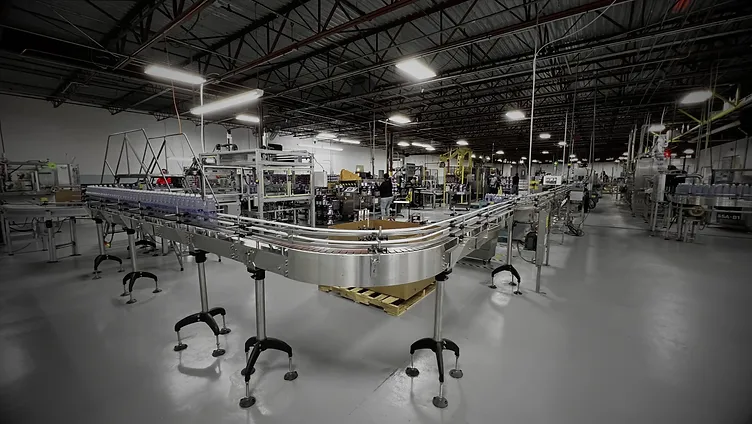
Best Practices for Implementing Material Inspection Programs
To get the most from your inspection investment, consider these best practices:
- Define clear acceptance criteria: Work with suppliers to establish measurable standards for every material type.
- Train personnel: Ensure staff understand how to use inspection equipment and interpret results.
- Leverage automation: Use automated tools wherever possible to improve speed and accuracy.
- Integrate with quality systems: Connect inspection data to broader quality and production platforms for full traceability.
- Continuously review performance: Regularly analyze inspection outcomes to identify trends and areas for improvement.
For organizations focused on operational excellence, combining inspection with OEE monitoring and quality control can further boost plant efficiency and reduce downtime.
Choosing the Right Inspection System for Your Operation
Selecting the best solution depends on your specific materials, production volumes, and quality requirements. Key factors to consider include:
- Type of materials: Metals, plastics, electronics, and composites may require different inspection technologies.
- Volume and speed: High-throughput operations benefit from fully automated, inline systems, while lower volumes may be suited to batch or sample-based inspection.
- Integration needs: Ensure the system can communicate with your existing ERP, MES, or quality management platforms.
- Scalability: Choose a solution that can grow with your business and adapt to changing requirements.
Consulting with technology providers and benchmarking against industry peers can help you make an informed decision.
Measuring the Impact of Inspection on Manufacturing Performance
Tracking the effectiveness of your inspection program is essential for continuous improvement. Useful metrics include:
- First pass yield: Percentage of materials accepted on first inspection
- Defect rates: Frequency and types of nonconformities detected
- Supplier performance: Trends in material quality by vendor
- Cost of poor quality: Expenses related to scrap, rework, and warranty claims
For a broader perspective on operational metrics, see this guide to manufacturing performance indicators.
FAQ
What types of defects can incoming inspection systems detect?
These systems can identify a wide range of issues, including dimensional inaccuracies, surface defects, contamination, incorrect labeling, and material property deviations. Advanced solutions use sensors and machine vision to catch even subtle flaws that manual checks might miss.
How do automated inspection systems differ from manual checks?
Automated systems use cameras, lasers, or sensors to evaluate materials quickly and consistently. They reduce human error, increase throughput, and provide digital records for traceability. Manual inspections rely on human judgment, which can vary and may not catch every defect.
Can inspection systems be integrated with other factory systems?
Yes, most modern solutions are designed to connect with ERP, MES, and quality management platforms. This integration enables real-time data sharing, better traceability, and more effective quality control across the entire production process.
What are the benefits of combining inspection with continuous monitoring?
Linking inspection data with continuous controls monitoring provides end-to-end visibility, faster response to quality issues, and stronger compliance. It helps manufacturers identify patterns, reduce risk, and maintain higher standards throughout the supply chain.
Conclusion
Implementing effective incoming material inspection systems is a foundational step for any manufacturer committed to quality and efficiency. By stopping defective parts before they enter production, companies can avoid costly disruptions, improve customer satisfaction, and build a stronger reputation in the marketplace. As technology evolves, integrating inspection with broader quality and monitoring initiatives will become even more critical for staying ahead in a competitive industry.
For more strategies on minimizing unplanned downtime, explore these quality monitoring approaches for downtime reduction and keep your operations running smoothly.