
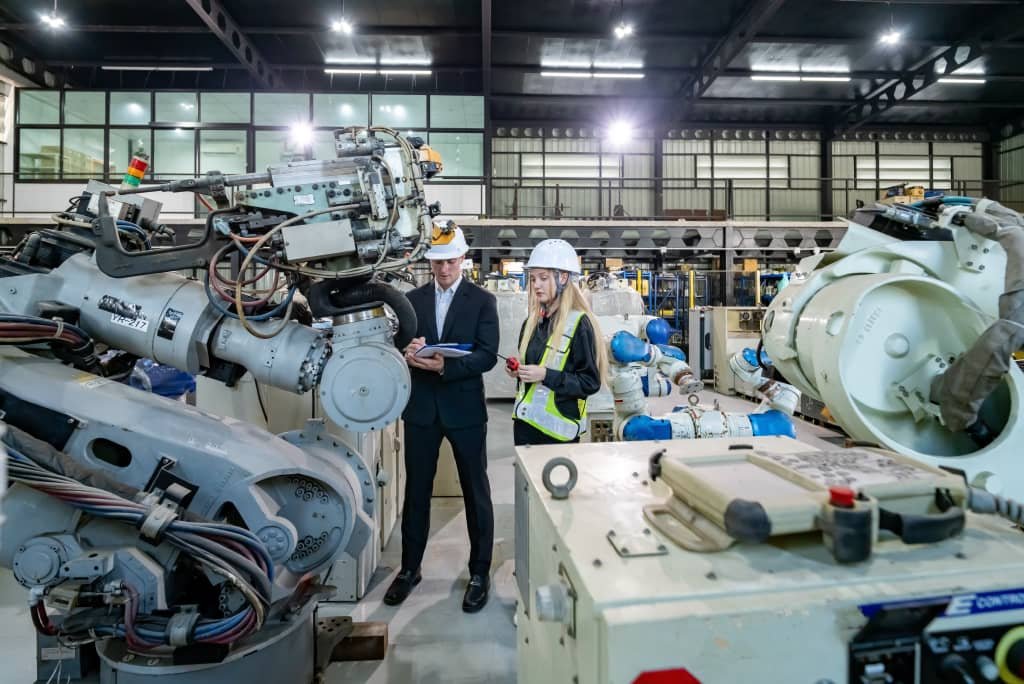
Modern manufacturing environments demand high efficiency, quality, and adaptability. As plants become more automated and data-driven, continuous process monitoring explained becomes essential for maintaining competitive advantage. This approach involves the real-time collection, analysis, and response to process data, enabling manufacturers to detect deviations, optimize performance, and ensure product consistency.
Understanding how ongoing monitoring works and its benefits can help plant managers, engineers, and quality professionals make informed decisions about implementing or upgrading their systems. In this guide, we’ll break down the fundamentals, explore the technologies involved, and highlight practical considerations for modern facilities.
For those interested in the latest advancements, exploring next generation quality monitoring systems can provide deeper insights into how automated solutions are transforming quality assurance in factories.
What Is Continuous Process Monitoring?
At its core, ongoing process monitoring refers to the systematic, uninterrupted tracking of key variables throughout a manufacturing process. Unlike periodic or manual checks, this method leverages sensors, software, and analytics to deliver a constant stream of data. This enables immediate detection of process anomalies, equipment issues, or quality deviations before they escalate into costly problems.
The main objectives include:
- Ensuring product quality by identifying out-of-spec conditions in real time
- Reducing waste through early intervention and process adjustments
- Improving efficiency by minimizing downtime and optimizing resource use
- Supporting compliance with industry standards and regulatory requirements
Key Components of a Modern Monitoring System
A robust system for ongoing process oversight typically integrates several technologies and tools:
- Sensors and Instrumentation: Devices that measure variables such as temperature, pressure, flow, humidity, and chemical composition.
- Data Acquisition Systems: Hardware and software platforms that collect and transmit sensor data to central repositories.
- Analytics and Visualization: Software that processes raw data, applies statistical or AI-driven analysis, and presents actionable insights via dashboards or alerts.
- Automated Control Systems: Programmable logic controllers (PLCs) and distributed control systems (DCS) that can adjust process parameters automatically in response to data trends.
These components work together to create a closed feedback loop, allowing for rapid response to changing conditions and continuous improvement.
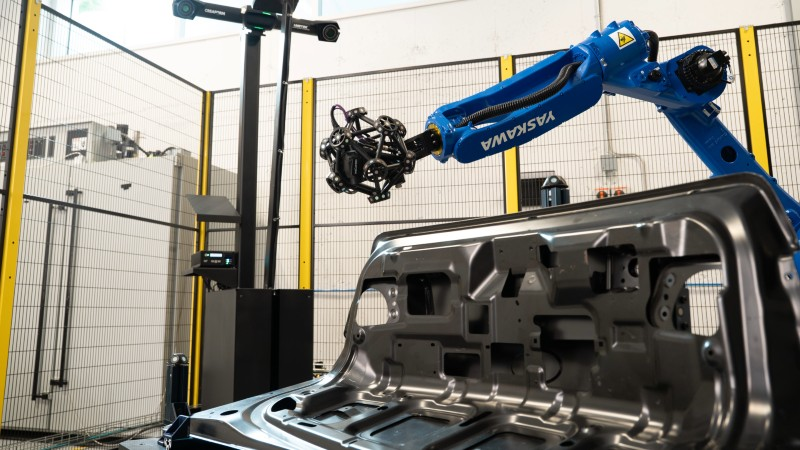
Benefits of Real-Time Process Oversight
Implementing a continuous monitoring strategy offers a range of tangible benefits for manufacturing plants:
- Early Fault Detection: Identifies equipment wear, process drift, or raw material inconsistencies before they impact production.
- Reduced Downtime: Enables predictive maintenance and faster troubleshooting, minimizing unplanned outages.
- Consistent Quality: Maintains tight control over critical parameters, resulting in fewer defects and recalls.
- Data-Driven Decision Making: Empowers teams to optimize processes based on accurate, up-to-date information.
- Regulatory Compliance: Provides traceable records and automated reporting for audits and certifications.
For manufacturers looking to further optimize efficiency, integrating OEE monitoring and quality control with continuous process data can drive even greater improvements in plant performance.
How Continuous Process Monitoring Works in Practice
The implementation of ongoing process oversight involves several steps:
- Identify Critical Control Points: Determine which process variables most influence product quality and operational efficiency.
- Deploy Sensors: Install reliable, calibrated sensors at strategic locations to capture real-time data.
- Integrate Data Systems: Connect sensors to data acquisition and analytics platforms, ensuring seamless data flow and storage.
- Set Thresholds and Alerts: Define acceptable operating ranges and configure automated alerts for deviations.
- Automate Responses: Where possible, enable control systems to make real-time adjustments or trigger maintenance actions.
- Review and Improve: Regularly analyze collected data to identify trends, root causes, and opportunities for process optimization.
This systematic approach ensures that monitoring is not just passive data collection, but an active driver of quality and efficiency.
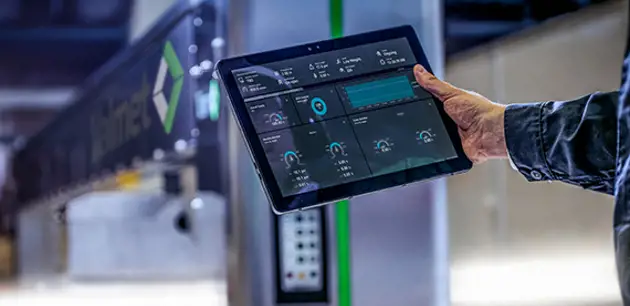
Challenges and Considerations for Implementation
While the advantages of ongoing process monitoring are clear, successful deployment requires careful planning and consideration of several factors:
- Data Overload: Large volumes of data can overwhelm teams if not managed with effective analytics and visualization tools.
- Integration Complexity: Connecting legacy equipment with modern digital platforms may require custom solutions or phased upgrades.
- Cybersecurity: Increased connectivity introduces new risks, making robust security protocols essential.
- Change Management: Staff training and buy-in are critical to ensure that new systems are used effectively and deliver expected benefits.
Addressing these challenges early in the planning process can help ensure a smooth transition and maximize return on investment.
Applications Across Manufacturing Sectors
Continuous process monitoring is not limited to a single industry. Its principles and benefits apply across a wide range of sectors, including:
- Pharmaceuticals: Ensuring batch consistency and regulatory compliance through real-time tracking of critical parameters.
- Food and Beverage: Maintaining product safety and quality by monitoring temperature, humidity, and contamination risks.
- Automotive: Optimizing assembly lines and detecting defects early in the production process.
- Chemicals: Managing complex reactions and hazardous materials with precise control and rapid response to deviations.
- Electronics: Achieving high yields and minimal defects by tightly controlling environmental and process variables.
Each sector may have unique requirements, but the core principles of real-time oversight remain the same.
Integrating Monitoring with Broader Quality Strategies
To unlock the full value of ongoing process oversight, it should be integrated with broader quality management and operational strategies. For example, combining real-time data with variance detection in manufacturing allows teams to spot subtle shifts or spikes that could indicate emerging issues.
Similarly, using process data to inform manufacturing performance indicators ensures that metrics reflect actual plant conditions, supporting more accurate benchmarking and continuous improvement.
For plants focused on minimizing unplanned stoppages, leveraging insights from ongoing monitoring can support downtime reduction through quality monitoring strategies, further boosting productivity and profitability.
Best Practices for Success
To maximize the benefits of continuous process oversight, consider these best practices:
- Start with Clear Objectives: Define what you want to achieve—whether it’s reducing defects, improving yield, or enhancing compliance.
- Prioritize Critical Processes: Focus initial efforts on areas with the highest impact on quality or cost.
- Invest in Scalable Solutions: Choose technologies that can grow with your plant’s needs and integrate with existing systems.
- Foster a Data-Driven Culture: Encourage teams to use real-time insights for decision-making and continuous improvement.
- Review and Refine: Regularly assess system performance and update thresholds, analytics, and response protocols as needed.
Staying informed about industry trends and best practices is also important. Resources such as this glossary on continuous monitoring provide helpful overviews and definitions for those new to the topic.
FAQ: Common Questions About Continuous Process Monitoring
What types of data are typically monitored in manufacturing plants?
Common data points include temperature, pressure, flow rates, humidity, chemical concentrations, machine vibration, and energy consumption. The specific variables depend on the process and product requirements.
How does real-time monitoring differ from traditional quality checks?
Traditional quality checks are often periodic and manual, which can miss short-term deviations or emerging trends. Real-time monitoring provides continuous oversight, enabling immediate detection and correction of issues as they arise.
Is it possible to implement continuous monitoring in older facilities?
Yes, many solutions are designed to retrofit existing equipment with modern sensors and data acquisition systems. However, integration may require additional planning and investment to ensure compatibility and data integrity.