
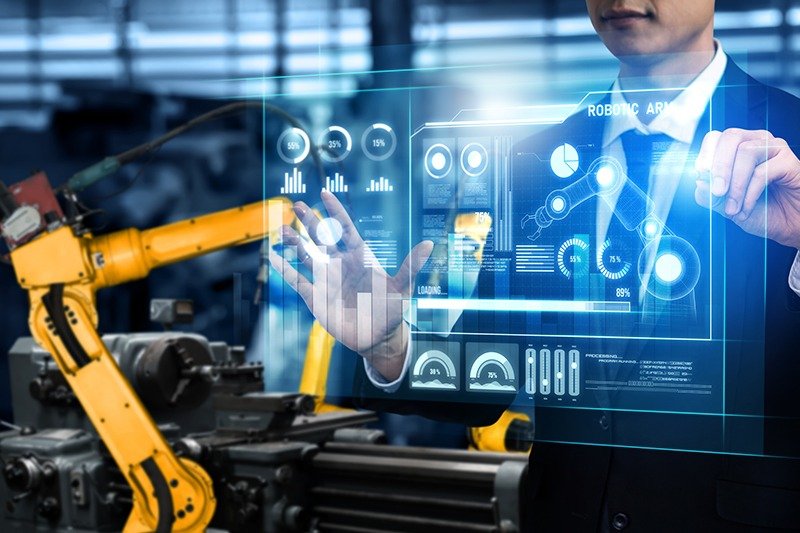
The electronics manufacturing industry is rapidly evolving, and ai inspection for electronics manufacturing is at the forefront of this transformation. As product complexity increases and quality standards become more stringent, manufacturers are turning to artificial intelligence to streamline inspection processes, reduce defects, and ensure consistent product quality. By leveraging advanced algorithms and machine learning, AI-powered inspection systems can detect flaws that might be missed by traditional methods, ultimately saving time and reducing costs.
Implementing AI-driven inspection is not just about adopting new technology—it’s about rethinking quality assurance from the ground up. This guide explores practical strategies, common challenges, and actionable tips for successfully integrating AI into your electronics manufacturing workflow. For those interested in related innovations, you may also want to learn about augmented reality in quality audits, which complements AI by enhancing data visualization during inspections.
Understanding AI-Driven Inspection in Electronics
AI-based inspection systems use computer vision, deep learning, and data analytics to automate the detection of defects in electronic components and assemblies. Unlike manual inspection, which is prone to human error and fatigue, AI solutions can analyze vast amounts of visual data at high speed and with remarkable accuracy. This is especially valuable in electronics, where even microscopic defects can lead to product failures or costly recalls.
Key elements of AI inspection include:
- Automated optical inspection (AOI) powered by machine learning models
- Real-time image analysis for surface defects, soldering issues, and alignment errors
- Continuous improvement through feedback loops and retraining of AI models
Manufacturers who adopt these systems often see a significant reduction in false positives and missed defects, resulting in higher yields and improved customer satisfaction.
Benefits of Integrating AI Inspection for Electronics Manufacturing
There are several compelling reasons why electronics manufacturers are investing in AI-powered inspection:
- Enhanced defect detection: AI systems can identify subtle flaws that are difficult for the human eye to spot, such as micro-cracks, solder bridges, or component misplacements.
- Increased efficiency: Automated inspection drastically reduces the time required for quality checks, enabling faster throughput and shorter production cycles.
- Consistent quality: AI algorithms apply the same standards across all inspections, eliminating variability and bias introduced by manual processes.
- Cost savings: By catching defects early, manufacturers avoid expensive rework, scrap, and warranty claims.
- Data-driven insights: AI systems generate valuable analytics that can be used to optimize production lines and prevent recurring issues.
For a deeper dive into the advantages of AI in quality control, see this comprehensive overview of AI’s benefits in quality control.

Key Tips for Successful AI Inspection Implementation
Transitioning to AI-based inspection in electronics manufacturing requires careful planning and execution. Here are some essential tips to ensure a smooth and effective rollout:
1. Start with High-Quality Data
The accuracy of AI inspection systems depends heavily on the quality and quantity of training data. Collect a diverse set of images representing both normal and defective products. Annotate defects precisely, as this will help the AI learn to distinguish subtle variations.
2. Choose the Right AI Model
Different inspection tasks may require different types of AI models. For example, convolutional neural networks (CNNs) excel at image recognition, while vision transformers are gaining traction for complex visual tasks. Explore the latest advancements, such as vision transformers for industrial use, to find the best fit for your application.
3. Integrate with Existing Production Lines
AI inspection solutions should seamlessly integrate with your current manufacturing equipment and software. Look for systems that support standard communication protocols and can be easily retrofitted onto existing lines to minimize disruption.
4. Monitor and Maintain AI Performance
AI models can experience “drift” over time as production conditions change. Regularly monitor performance metrics and retrain models as needed to maintain high accuracy. For more on this topic, refer to guidance on monitoring ai model drift in factories.
5. Train Your Workforce
Successful adoption of AI inspection requires buy-in from operators and quality engineers. Provide training on how to interpret AI results, troubleshoot issues, and contribute to ongoing model improvement. Consider leveraging wearable ai for manual inspection support to further empower your team.

Common Challenges and How to Overcome Them
While the benefits of AI-powered inspection are clear, manufacturers may encounter several hurdles during implementation:
- Data scarcity: Gathering enough labeled defect images can be time-consuming. Consider using synthetic data generation or transfer learning to augment your dataset.
- Integration complexity: Retrofitting AI systems into legacy production lines may require custom engineering. Work closely with solution providers to ensure compatibility and minimal downtime.
- Model drift: As production materials or processes change, AI accuracy can decline. Establish a routine for monitoring and updating models to keep performance high.
- Change management: Employees may be hesitant to trust AI decisions. Foster a culture of collaboration, where human expertise and AI insights work together for better results.
Best Practices for Maximizing ROI from AI Inspection
To get the most value from your investment in AI inspection technology, follow these best practices:
- Start with a pilot project on a single product line to demonstrate value before scaling up.
- Continuously collect and label new defect data to improve model robustness.
- Leverage analytics from AI systems to identify process bottlenecks and areas for improvement.
- Collaborate with technology partners who have experience in electronics manufacturing and AI deployment.
- Stay informed about emerging trends, such as hyperparameter tuning for inspection models, to keep your systems at the cutting edge.
FAQ: AI Inspection in Electronics Manufacturing
How does AI inspection differ from traditional quality control methods?
Traditional quality control often relies on manual visual inspection or rule-based automated systems. AI inspection uses machine learning and computer vision to analyze images and detect defects with higher accuracy and speed. This reduces human error and enables the detection of subtle or complex flaws that might otherwise go unnoticed.
What types of defects can AI systems detect in electronics manufacturing?
AI-powered inspection can identify a wide range of defects, including soldering issues, component misalignment, missing parts, surface scratches, micro-cracks, and more. The system’s capabilities depend on the quality of training data and the sophistication of the AI model used.
Is it difficult to integrate AI inspection into existing production lines?
Integration can present challenges, especially with older equipment. However, many modern AI inspection solutions are designed to be flexible and compatible with standard manufacturing protocols. Working with experienced vendors and starting with a pilot project can help ease the transition and demonstrate value before full-scale deployment.