
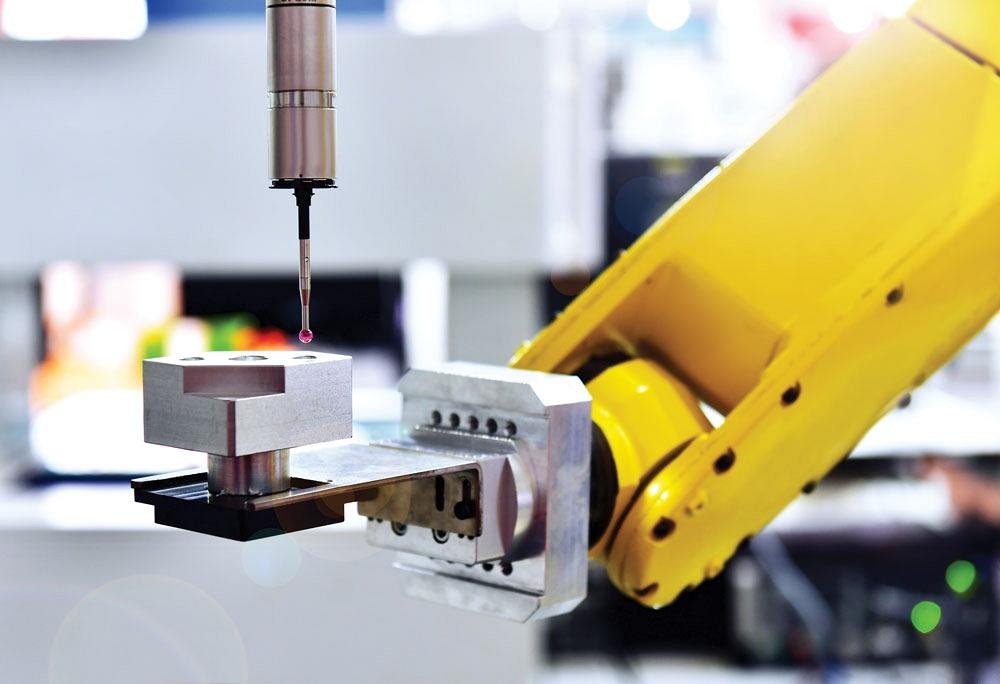
Modern manufacturing faces relentless pressure to deliver consistent quality at scale. Even minor defects can disrupt production, increase costs, and damage a brand’s reputation. To address these challenges, always on inspection systems have become a critical technology for manufacturers aiming to achieve near-perfect output. These advanced solutions enable real-time, automated quality checks throughout the production process, minimizing human error and catching issues before they escalate.
By integrating continuous monitoring into manufacturing lines, companies can ensure that every product meets stringent standards. This approach not only reduces waste and rework but also supports compliance and customer satisfaction. For teams looking to enhance their quality management strategies, exploring advanced manufacturing quality analytics can provide deeper insights and smarter decision-making.
How Continuous Inspection Transforms Quality Control
Traditional quality control methods often rely on periodic sampling and manual checks. While these techniques can catch some defects, they leave gaps that allow flawed products to slip through. In contrast, always on inspection systems use automated sensors, cameras, and software to monitor every stage of production. This ensures that deviations are detected instantly, allowing for immediate corrective action.
The core advantage of these systems lies in their ability to operate without interruption. By providing a constant stream of data, they enable manufacturers to identify trends, spot anomalies, and maintain tight control over product quality. This is especially valuable in high-volume or high-precision industries, where even a small error can have significant consequences.
Key Technologies Behind Automated Inspection
The effectiveness of real-time inspection depends on a combination of hardware and software innovations. Some of the most important components include:
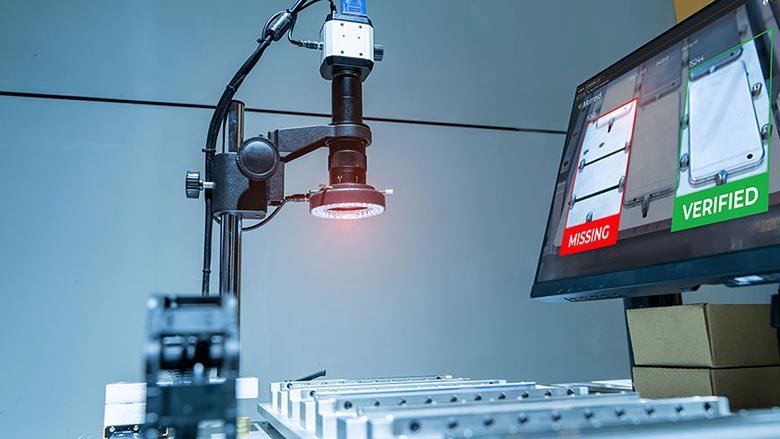
- Machine Vision: High-resolution cameras and lighting systems capture detailed images of products as they move along the line. Advanced algorithms analyze these images to detect surface defects, dimensional errors, or assembly issues.
- Artificial Intelligence (AI): AI-powered software can learn from historical data and adapt to new types of defects. This enables the system to improve accuracy over time and reduce false positives.
- Industrial Sensors: Sensors measure parameters such as temperature, pressure, and vibration, providing additional data points for quality assessment.
- Data Integration: Inspection data is integrated with manufacturing execution systems (MES) and enterprise resource planning (ERP) platforms, ensuring seamless communication across the organization.
For manufacturers interested in the latest advancements, exploring next generation quality monitoring systems can reveal how these technologies are evolving to meet future demands.
Benefits of Always-On Quality Monitoring
Implementing always on inspection systems delivers a range of tangible benefits for manufacturing operations:
- Defect Reduction: By catching flaws immediately, these systems help prevent defective products from reaching customers.
- Lower Costs: Early detection minimizes waste, rework, and warranty claims, leading to significant cost savings.
- Increased Throughput: Automated checks keep production lines moving, reducing bottlenecks caused by manual inspections.
- Regulatory Compliance: Continuous documentation and traceability support compliance with industry standards and audits.
- Data-Driven Decisions: Real-time analytics empower teams to make informed adjustments, improving process efficiency and product quality.
For organizations seeking to maintain steady production and avoid costly disruptions, integrating quality drift detection systems alongside continuous inspection can further enhance stability.
Real-World Applications in Modern Factories
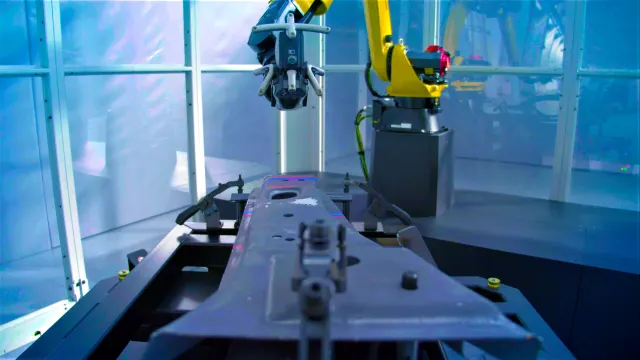
Industries ranging from automotive to electronics and pharmaceuticals are rapidly adopting continuous inspection solutions. In automotive manufacturing, for example, machine vision systems verify welds, paint finishes, and component assembly in real time. Electronics producers use high-speed cameras to inspect solder joints and circuit boards, ensuring reliability and safety.
Pharmaceutical companies rely on automated inspection to check packaging integrity, label accuracy, and product consistency. These applications demonstrate how always on inspection systems can be tailored to meet the unique requirements of different sectors, driving quality improvements across the board.
Integrating Continuous Controls for Compliance and Security
Beyond defect detection, continuous inspection plays a crucial role in risk management and regulatory compliance. By implementing continuous controls monitoring, manufacturers can ensure that their processes adhere to internal policies and external regulations. This approach not only reduces the risk of non-compliance but also strengthens data security and operational transparency.
Continuous controls are particularly important in industries with strict regulatory oversight, such as aerospace, food and beverage, and medical devices. Automated inspection systems provide the documentation and traceability needed to satisfy auditors and customers alike.
Challenges and Considerations for Implementation
While the advantages are clear, deploying always on inspection systems requires careful planning. Key considerations include:
- Integration with Existing Equipment: Retrofitting older production lines may require custom solutions or upgrades.
- Data Management: The volume of inspection data generated can be substantial. Manufacturers must invest in robust data storage and analytics capabilities.
- Change Management: Employees may need training to work alongside automated systems and interpret inspection results.
- Cost: Upfront investment can be significant, but the long-term savings and quality improvements often justify the expense.
To maximize the return on investment, manufacturers should evaluate their specific needs and consult with technology partners who specialize in quality automation. For those looking to further reduce unplanned downtime, reviewing downtime reduction through quality monitoring strategies can provide additional value.
Future Trends in Automated Inspection
The future of continuous inspection is closely tied to advances in AI, edge computing, and the Industrial Internet of Things (IIoT). As these technologies mature, inspection systems will become even more intelligent, adaptive, and connected. Predictive analytics will enable proactive maintenance, while cloud integration will facilitate remote monitoring and collaboration.
Another emerging trend is the use of variance detection in manufacturing to spot subtle shifts in process performance. By identifying small changes before they become major issues, manufacturers can maintain tighter control over quality and yield.
FAQ
What are always-on inspection systems in manufacturing?
These are automated solutions that continuously monitor production lines for defects, deviations, or quality issues. Using sensors, cameras, and software, they provide real-time feedback and help maintain consistent product standards.
How do these systems improve production efficiency?
By detecting problems instantly, always-on inspection reduces downtime, minimizes waste, and allows for immediate corrective action. This leads to smoother operations and higher throughput compared to traditional manual checks.
Are continuous inspection systems suitable for all industries?
Most manufacturing sectors can benefit from automated inspection, especially those with high-volume or high-precision requirements. However, the specific technology and integration approach may vary based on industry needs and existing infrastructure.