

The manufacturing landscape is evolving rapidly, and businesses are under constant pressure to deliver higher quality products at greater volumes. As production lines become more complex and customer expectations rise, traditional manual inspection methods often struggle to keep pace. Automated inspection in manufacturing has emerged as a transformative solution, enabling companies to boost throughput, reduce errors, and maintain consistent quality standards.
This article explores how automated inspection technologies are reshaping industrial processes, the benefits they offer, and practical considerations for implementation. We’ll also highlight related innovations and provide resources for further exploration, including precision manufacturing monitoring and other quality control advancements.
What Is Automated Inspection in Modern Manufacturing?
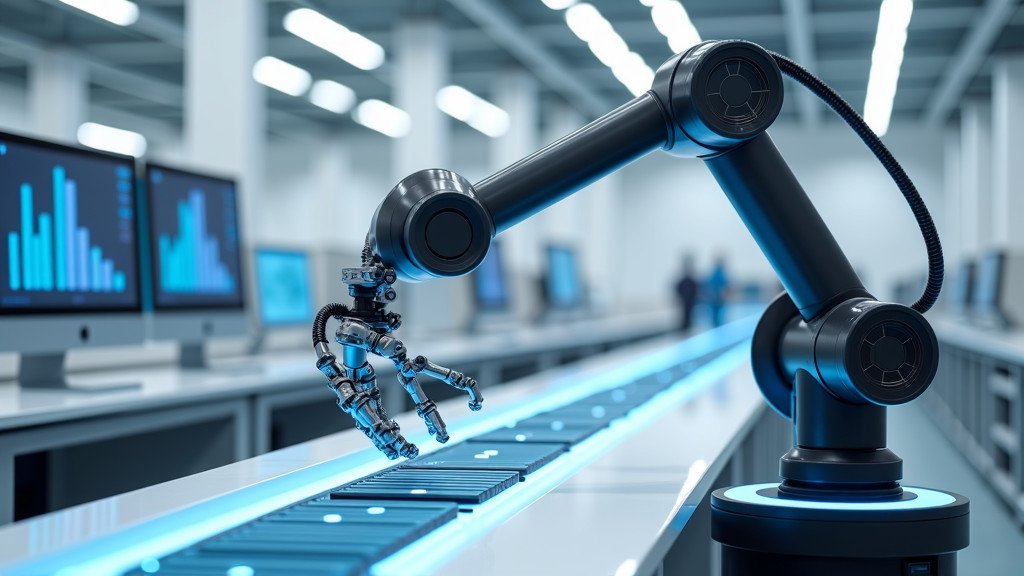
Automated inspection in manufacturing refers to the use of advanced technologies—such as machine vision, artificial intelligence (AI), and robotics—to evaluate products and components on the production line without human intervention. These systems are designed to detect defects, measure dimensions, verify assembly, and ensure compliance with strict quality standards.
Unlike manual inspection, which can be slow and prone to human error, automated solutions offer speed, repeatability, and objective analysis. This makes them ideal for high-volume environments where even minor mistakes can lead to costly recalls or reputational damage.
Key Technologies Powering Automated Quality Control
Several core technologies underpin the success of automated inspection systems:
- Machine Vision: High-resolution cameras and imaging sensors capture detailed images of products as they move along the line. Software algorithms analyze these images to identify defects, measure features, and verify correct assembly.
- Artificial Intelligence & Deep Learning: AI-driven inspection systems can be trained to recognize subtle defects or complex patterns that traditional rule-based systems might miss. Deep learning models improve over time as they process more data.
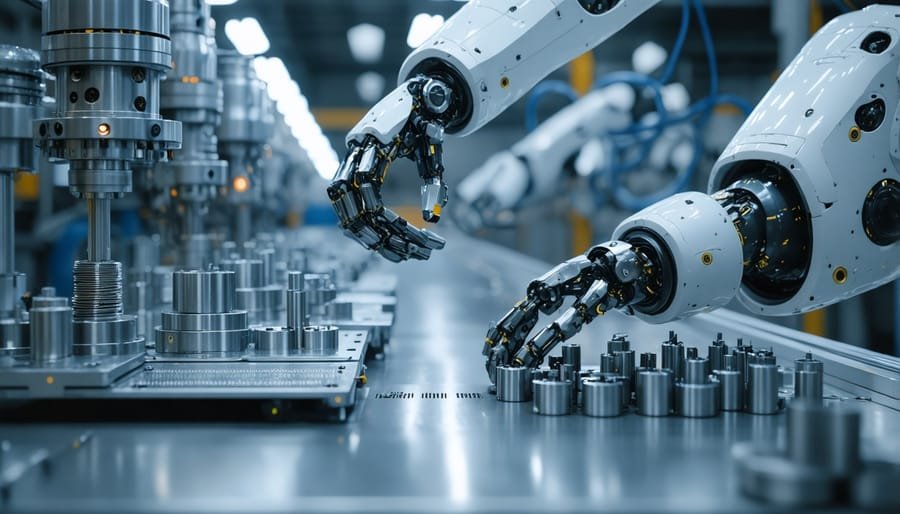
- Robotics: Automated arms and conveyors position products for inspection, sort defective items, or perform corrective actions based on inspection results.
- Sensor Integration: In addition to visual inspection, systems may use lasers, ultrasonic sensors, or X-rays to detect internal flaws or verify material properties.
These technologies work together to create a robust, scalable inspection process that can adapt to changing production requirements.
Benefits of Automated Inspection for Scaling Output
Implementing automated quality control brings a range of advantages to manufacturers aiming to increase output while maintaining high standards:
- Higher Throughput: Automated systems can inspect thousands of parts per hour, far exceeding the capacity of manual inspectors.
- Consistent Quality: Machines apply the same criteria to every product, reducing variability and ensuring that only items meeting specifications reach customers.
- Reduced Labor Costs: Automation allows skilled workers to focus on higher-value tasks, while repetitive inspection is handled by machines.
- Early Defect Detection: Problems are identified in real time, enabling corrective action before defective products reach later stages or customers.
- Data-Driven Insights: Inspection systems generate valuable data on defect rates, process trends, and equipment performance, supporting continuous improvement.
Integrating Automated Inspection with Manufacturing Workflows
To maximize the benefits of automated inspection, integration with existing manufacturing systems is essential. This often involves connecting inspection equipment to production management software, enterprise resource planning (ERP) systems, and quality databases. Seamless data flow enables real-time monitoring, traceability, and rapid response to quality issues.
For manufacturers operating in regulated industries or with tight tolerances, combining automated inspection with quality compliance monitoring systems can further enhance oversight and documentation. These solutions help ensure that every product meets both internal standards and external regulations.
Challenges and Considerations for Adoption
While the advantages are clear, implementing automated inspection is not without challenges. Key considerations include:
- Upfront Investment: High-quality cameras, sensors, and AI software require significant initial capital. However, many companies find that the long-term savings and productivity gains justify the expense.
- System Complexity: Integrating new technology with legacy equipment can be complex. Careful planning and collaboration with experienced vendors are crucial.
- Training and Change Management: Staff must be trained to operate, maintain, and interpret results from automated systems. Change management strategies help ensure a smooth transition.
- Customization: Inspection criteria may need to be tailored for different products, requiring flexible software and adaptable hardware.
Despite these hurdles, manufacturers that invest in automation often see rapid returns through improved efficiency and reduced waste.
Emerging Trends in Automated Quality Assurance
The field of automated inspection continues to advance, with new trends shaping the future of manufacturing quality control:
- AI-Driven Continuous Monitoring: Modern systems leverage machine learning to adapt to changing conditions and detect previously unseen defects. For more on this, see continuous monitoring in industrial environments.
- Augmented Reality and Wearables: Technologies such as augmented reality in quality audits and wearable AI for manual inspection support are enhancing human inspectors’ capabilities, allowing for hybrid approaches that combine the strengths of both people and machines.
- Autonomous Quality Control: The evolution toward fully autonomous inspection and correction is underway, as highlighted in discussions about the future of autonomous quality control.
These innovations promise to make automated inspection even more powerful, flexible, and accessible in the years ahead.
Best Practices for Implementing Automated Inspection Solutions
To ensure a successful transition to automated quality control, manufacturers should follow these best practices:
- Assess Current Processes: Identify bottlenecks, error-prone steps, and areas where automation can deliver the greatest impact.
- Engage Stakeholders Early: Involve engineering, operations, and quality teams from the outset to ensure buy-in and smooth integration.
- Start with Pilot Projects: Test automated inspection on a single line or product before scaling up, allowing for refinement and troubleshooting.
- Prioritize Flexibility: Choose systems that can be adapted as products, volumes, and requirements evolve.
- Leverage Data Analytics: Use inspection data to drive process improvements, reduce scrap, and optimize maintenance schedules.
Frequently Asked Questions
How does automated inspection improve manufacturing efficiency?
Automated inspection systems operate at high speeds, enabling manufacturers to check every product or component in real time. This reduces bottlenecks, minimizes downtime, and ensures that defects are caught early, preventing costly rework or recalls. The result is a more streamlined, efficient production process.
What types of defects can automated systems detect?
Depending on the technology used, automated inspection can identify a wide range of defects, including surface scratches, dimensional inaccuracies, missing components, incorrect assembly, and internal flaws. Advanced AI-based systems can even detect subtle or previously unknown issues by learning from large datasets.
Is it possible to combine automated and manual inspection methods?
Yes, many manufacturers use a hybrid approach. Automated systems handle repetitive, high-volume checks, while skilled human inspectors focus on complex or subjective evaluations. Emerging tools like augmented reality and wearable AI are also making it easier to blend the strengths of both approaches.
Conclusion
Adopting automated inspection in manufacturing is a strategic move for companies seeking to boost output, maintain quality, and stay competitive in a demanding market. As technology continues to advance, the opportunities for efficiency, accuracy, and innovation will only grow. By understanding the available tools, integrating them thoughtfully, and staying informed about emerging trends, manufacturers can position themselves for long-term success in the era of smart production.