
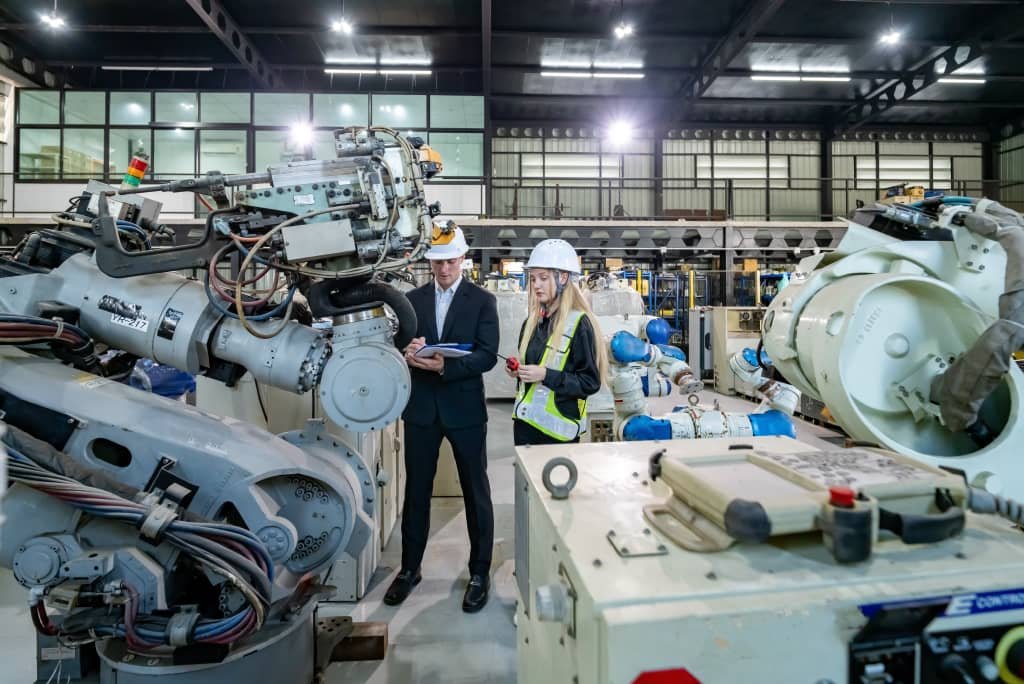
In modern manufacturing, automated sorting quality systems have become essential for ensuring consistent product quality, reducing manual errors, and optimizing throughput. These advanced solutions use a combination of sensors, machine vision, artificial intelligence, and robotics to inspect, classify, and direct products at high speed. As production volumes and complexity increase, manufacturers are turning to these systems to maintain competitive standards and meet stringent customer requirements.
The adoption of automated inspection and sorting not only streamlines operations but also delivers actionable data for continuous improvement. By integrating these technologies, organizations can quickly identify defects, track production trends, and minimize waste. For teams looking to deepen their understanding of data-driven quality management, exploring advanced manufacturing quality analytics can provide valuable insights into optimizing quality processes.
How Automated Sorting Solutions Work in Manufacturing
Automated sorting quality systems combine hardware and software to inspect and categorize products as they move along the production line. The process typically involves several key components:
- Sensors and Cameras: These capture images or measurements of products in real time, detecting features such as size, shape, color, or surface defects.
- Processing Algorithms: Advanced software analyzes sensor data using pattern recognition, machine learning, or rule-based logic to determine if items meet quality standards.
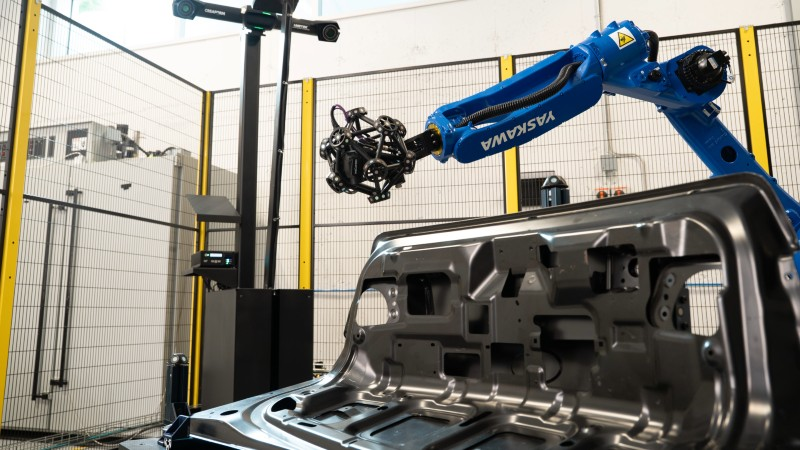
- Sorting Mechanisms: Based on the analysis, actuators or robotic arms physically separate conforming products from those that require rework or rejection.
- Data Logging: Every inspection event is logged, creating a comprehensive record for traceability and process optimization.
These systems can be configured for a wide range of industries, including electronics, automotive, food and beverage, and pharmaceuticals. Their flexibility allows manufacturers to adapt quickly to new product lines or changing quality requirements.
Key Benefits of Automated Quality Categorization
Implementing automated sorting quality systems brings a range of advantages to production environments:
- Increased Throughput: Automated inspection and sorting operate much faster than manual processes, enabling higher production rates without sacrificing accuracy.
- Consistent Quality: Objective, repeatable inspections reduce the risk of human error and ensure uniform product standards.
- Reduced Labor Costs: Automation minimizes the need for manual inspection and sorting, allowing personnel to focus on higher-value tasks.
- Real-Time Feedback: Instant data collection enables rapid response to quality issues, preventing defective items from reaching customers.
- Traceability: Detailed logs support compliance, root cause analysis, and continuous improvement initiatives.
For organizations aiming to further enhance their monitoring capabilities, integrating next generation quality monitoring systems can provide even deeper insights and control over production quality.
Technologies Powering Automated Sorting Quality Systems
The effectiveness of automated sorting depends on the underlying technologies. Some of the most impactful innovations include:
- Machine Vision: High-resolution cameras and image processing algorithms detect surface defects, dimensional inaccuracies, and color variations with precision.
- Artificial Intelligence: AI models learn from historical data to improve defect detection and classification accuracy over time.
- Robotics: Robotic arms and conveyors handle products swiftly and gently, ensuring efficient and damage-free sorting.
- Industrial Internet of Things (IIoT): Connected devices enable real-time data sharing, remote monitoring, and predictive maintenance.
These technologies work together to deliver a robust, scalable solution for automated quality categorization. As manufacturing environments become more complex, the ability to adapt and scale these systems is increasingly important.
Integrating Automated Sorting with Production Analytics
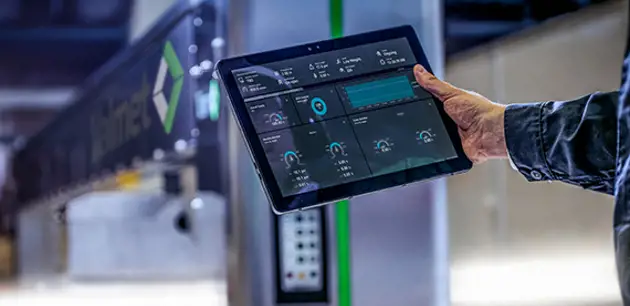
One of the most powerful aspects of automated sorting quality systems is their ability to generate actionable data. When integrated with production analytics platforms, this data can reveal patterns, identify bottlenecks, and support proactive decision-making.
For example, by linking sorting results with manufacturing performance indicators, teams can monitor yield rates, defect trends, and process efficiency in real time. This holistic approach enables continuous improvement and supports strategic initiatives such as lean manufacturing and Six Sigma.
Additionally, advanced analytics can help pinpoint the root causes of quality issues, whether they stem from raw materials, equipment wear, or process deviations. By addressing these factors early, manufacturers can reduce scrap rates and improve overall profitability.
Continuous Monitoring and Compliance
Maintaining high standards in production requires more than just initial inspection. Ongoing, continuous monitoring is essential for ensuring that processes remain within specification and that any deviations are detected immediately.
Automated sorting systems play a crucial role in this by providing uninterrupted oversight of product quality. They can trigger alerts, initiate corrective actions, or even halt production if critical issues are detected. This level of control is especially important in regulated industries, where compliance with safety and quality standards is non-negotiable.
For manufacturers seeking to further reduce process variability, exploring variance detection in manufacturing can be a valuable strategy to spot and address anomalies before they impact product quality.
Challenges and Considerations for Implementation
While the advantages of automated sorting quality systems are clear, successful deployment requires careful planning. Some key considerations include:
- System Integration: Ensuring compatibility with existing production equipment and IT infrastructure is critical for seamless operation.
- Customization: Each production line may require tailored inspection criteria, sorting logic, and reporting formats.
- Change Management: Training staff and adjusting workflows are essential to maximize the benefits of automation.
- Cost-Benefit Analysis: Upfront investment should be weighed against long-term savings in labor, scrap, and warranty claims.
- Scalability: Solutions should be flexible enough to accommodate future product changes or increases in production volume.
By addressing these factors early in the planning process, organizations can ensure a smooth transition and maximize return on investment.
Future Trends in Automated Quality Inspection
The field of automated sorting and quality inspection continues to evolve rapidly. Emerging trends include:
- Edge Computing: Processing data closer to the source for faster decision-making and reduced network latency.
- Cloud Integration: Leveraging cloud platforms for centralized data analysis, reporting, and remote system management.
- Self-Learning Systems: AI-driven solutions that continuously improve inspection accuracy based on new data.
- Collaborative Robotics: Safe, flexible robots that work alongside human operators to handle complex sorting tasks.
As these technologies mature, manufacturers can expect even greater efficiency, adaptability, and insight from their quality control processes.
FAQ
What types of defects can automated sorting quality systems detect?
These systems can identify a wide range of defects, including dimensional inaccuracies, surface scratches, color inconsistencies, missing components, and more. The specific capabilities depend on the sensors and algorithms used, but modern solutions are highly adaptable to different inspection needs.
How do automated sorting solutions improve traceability?
By logging every inspection and sorting event, these systems create a detailed digital record of each product’s journey through the production line. This traceability supports compliance, root cause analysis, and continuous improvement efforts.
Are automated sorting systems suitable for small and medium-sized manufacturers?
Yes, scalable solutions are available for organizations of all sizes. Many vendors offer modular systems that can be tailored to specific production volumes and requirements, making automation accessible to a wide range of manufacturers.
How do automated sorting systems support OEE and plant efficiency?
Automated inspection and sorting contribute to higher OEE monitoring and quality control by reducing downtime, minimizing defects, and ensuring consistent throughput. Real-time data enables teams to address issues promptly and optimize overall equipment effectiveness.