
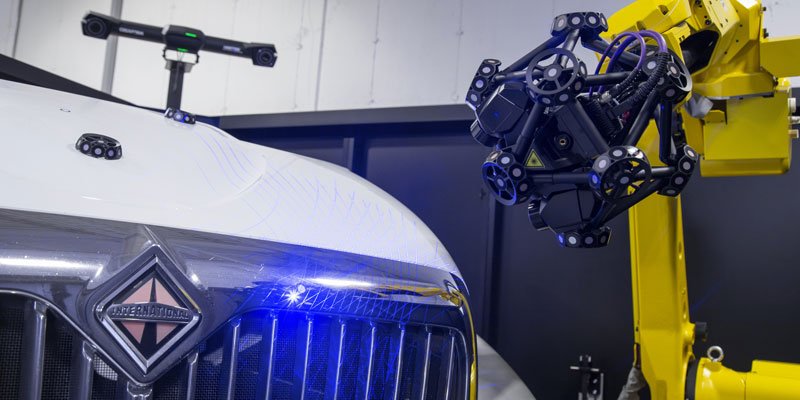
Manufacturers and production teams are under constant pressure to deliver products that meet strict quality standards while maintaining efficiency and controlling costs. As industries evolve, so does the demand for more advanced solutions to ensure consistent product quality. One of the most significant advancements in recent years is the adoption of real-time quality monitoring systems. These technologies provide immediate feedback on production processes, enabling rapid detection and correction of issues before they escalate.
Understanding the benefits of real time quality monitoring is crucial for organizations aiming to stay competitive and minimize waste. By integrating these systems, companies can achieve greater transparency, improve decision-making, and foster a culture of continuous improvement. For teams looking to leverage data-driven insights, exploring advanced manufacturing quality analytics can further enhance their quality management strategies.
How Real-Time Monitoring Transforms Quality Control
Traditional quality assurance methods often rely on periodic inspections or manual sampling, which can leave gaps where defects go unnoticed. In contrast, real-time monitoring provides continuous oversight, capturing data from every stage of the production process. This approach allows for immediate identification of deviations, reducing the risk of defective products reaching customers.
With instant alerts and automated data collection, teams can quickly respond to anomalies, minimizing downtime and preventing costly recalls. This proactive stance not only safeguards product integrity but also enhances operational efficiency.
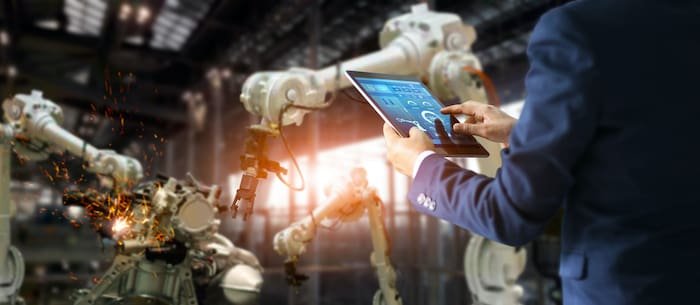
Key Advantages of Implementing Continuous Quality Oversight
There are several compelling reasons why organizations are turning to real-time quality monitoring solutions. Here are some of the most impactful benefits:
- Faster Detection of Defects: Continuous data collection enables teams to spot issues as soon as they arise, allowing for immediate corrective action.
- Reduced Waste and Rework: By catching problems early, manufacturers can prevent defective items from advancing through the production line, minimizing material waste and the need for rework.
- Improved Compliance: Automated monitoring helps ensure adherence to industry standards and regulatory requirements by providing a complete, auditable record of quality checks.
- Enhanced Traceability: Every product can be tracked in real time, making it easier to identify the root cause of issues and implement targeted improvements.
- Increased Productivity: With fewer interruptions and less manual inspection, teams can focus on value-added tasks, boosting overall efficiency.
For manufacturers seeking to further optimize their processes, integrating next generation quality monitoring systems can provide even deeper insights and automation capabilities.
Data-Driven Insights for Smarter Decision Making
One of the most significant benefits of real time quality monitoring is the wealth of actionable data it generates. By analyzing trends and patterns in production metrics, organizations can identify areas for improvement and make informed decisions based on real-world performance.
Advanced analytics tools can help teams detect subtle shifts in quality, such as gradual process drift or emerging patterns of variance. This enables a more strategic approach to quality management, moving beyond reactive fixes to proactive process optimization.
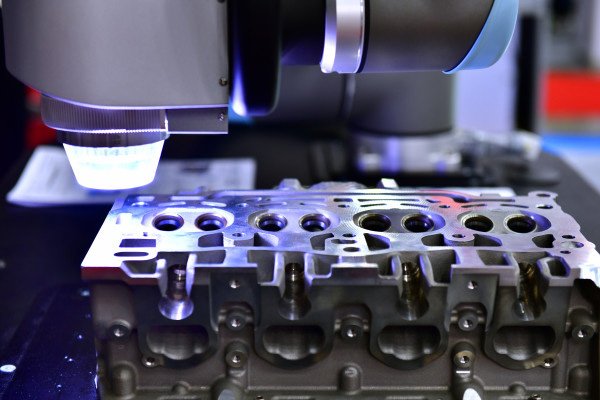
Reducing Downtime and Improving Operational Efficiency
Unexpected equipment failures or process interruptions can have a major impact on productivity and profitability. Real-time quality monitoring systems help minimize these risks by providing early warnings of potential problems. When anomalies are detected, maintenance teams can intervene before minor issues escalate into major breakdowns.
This approach not only reduces unplanned downtime but also extends the lifespan of critical assets. For more strategies on minimizing disruptions, see how downtime reduction through quality monitoring can benefit your operations.
Supporting Continuous Improvement Initiatives
Continuous improvement is a cornerstone of modern manufacturing. Real-time monitoring aligns perfectly with this philosophy by supplying the data needed to drive ongoing enhancements. Teams can set benchmarks, track progress, and measure the impact of process changes with precision.
Moreover, having access to real-time feedback fosters a culture of accountability and collaboration. Operators, engineers, and quality managers can work together to address challenges and share best practices, leading to sustained gains in product quality and process reliability.
Enhancing Customer Satisfaction and Brand Reputation
Delivering consistently high-quality products is essential for building trust with customers and maintaining a strong brand reputation. By leveraging real-time quality monitoring, organizations can ensure that every item leaving the facility meets or exceeds expectations.
This reliability not only reduces the risk of returns and warranty claims but also strengthens relationships with clients and partners. In competitive markets, a reputation for quality can be a powerful differentiator.
Integration with Modern Manufacturing Technologies
Today’s production environments are increasingly connected, with technologies such as IoT sensors, machine vision, and cloud-based analytics playing a central role. Real-time monitoring systems are designed to integrate seamlessly with these tools, creating a unified ecosystem for quality management.
For example, combining real-time data with variance detection in manufacturing allows teams to spot subtle shifts in process performance and address them before they impact product quality. Similarly, quality drift detection systems can help maintain production stability over time.
Ensuring Compliance and Audit Readiness
Regulatory compliance is a critical concern in many industries, from automotive to pharmaceuticals. Real-time monitoring provides a comprehensive digital record of all quality checks, making it easier to demonstrate compliance during audits.
Automated reporting and traceability features simplify documentation, reduce the risk of human error, and ensure that organizations are always prepared for regulatory reviews.
Best Practices for Adopting Real-Time Quality Solutions
To maximize the benefits of real time quality monitoring, organizations should consider the following best practices:
- Start with a clear understanding of your quality objectives and key performance indicators.
- Choose monitoring systems that integrate easily with your existing equipment and software.
- Invest in training for staff to ensure they can interpret data and respond effectively to alerts.
- Regularly review system performance and update processes based on insights gained.
- Leverage external resources, such as continuous monitoring best practices, to stay informed about the latest trends and technologies.
Frequently Asked Questions
What types of industries benefit most from real-time quality monitoring?
Industries with high production volumes, strict regulatory requirements, or complex manufacturing processes—such as automotive, electronics, pharmaceuticals, and food processing—see the greatest advantages. However, any organization seeking to improve product consistency and reduce waste can benefit from these systems.
How does real-time monitoring reduce costs?
By catching defects early, companies avoid the expenses associated with rework, scrap, and product recalls. Additionally, improved process efficiency and reduced downtime contribute to lower operational costs over time.
Is it difficult to implement real-time quality monitoring in existing facilities?
Modern solutions are designed for easy integration with current production lines and IT systems. Many platforms offer modular components and cloud-based interfaces, minimizing disruption during implementation.
Adopting real-time quality monitoring is a strategic move for manufacturers aiming to achieve higher standards, reduce risk, and drive continuous improvement. By leveraging the latest technologies and best practices, organizations can unlock new levels of efficiency, reliability, and customer satisfaction.