
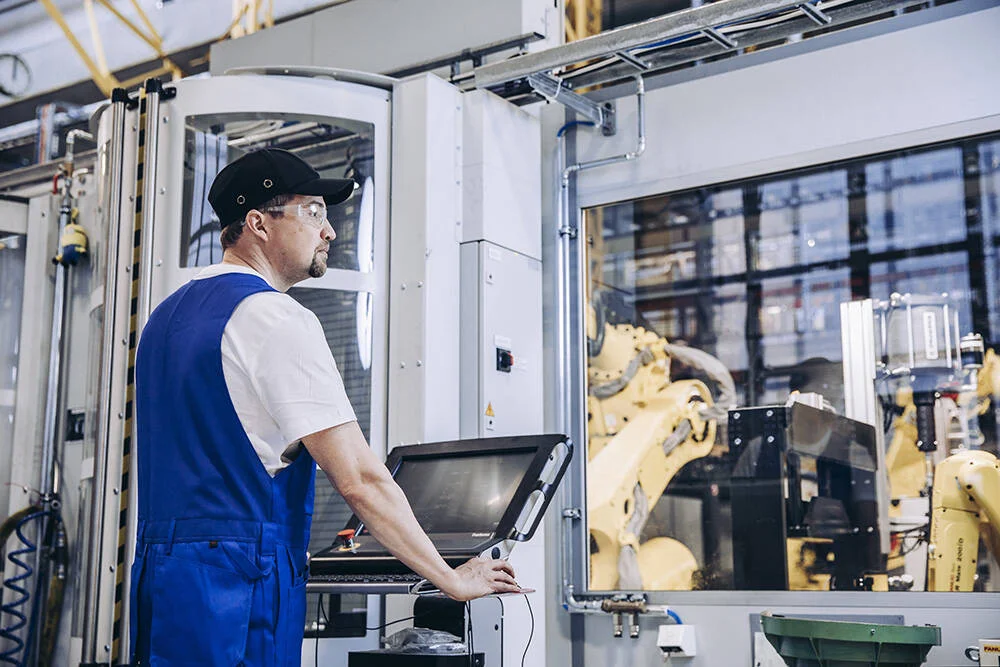
Manufacturing organizations today face increasing pressure to deliver high-quality products faster and at lower costs. Adopting best manufacturing practices for efficiency is crucial for staying competitive, reducing waste, and maximizing output. From lean methodologies to advanced digital tools, there are proven strategies that help streamline production, improve quality, and boost overall productivity. This article explores actionable methods and technologies that can transform manufacturing operations for better results.
Modern factories are also leveraging innovations like augmented reality in quality audits to visualize data and enhance inspection processes, further supporting operational excellence and continuous improvement.
Key Principles for Streamlining Production
Efficiency in manufacturing is built on a foundation of clear principles. By focusing on these core concepts, organizations can identify bottlenecks, eliminate unnecessary steps, and foster a culture of continuous improvement. Some of the most effective principles include:
- Lean manufacturing: This approach centers on reducing waste, improving flow, and delivering value to customers. Techniques such as 5S, value stream mapping, and just-in-time (JIT) production help minimize inventory and enhance responsiveness.
- Standardization: Establishing standard operating procedures (SOPs) ensures consistency, reduces errors, and makes it easier to train new employees.
- Continuous improvement (Kaizen): Encouraging employees to suggest and implement small, incremental changes leads to ongoing gains in productivity and quality.
- Quality at the source: Empowering workers to identify and correct defects as soon as they occur prevents costly rework and maintains high standards.
Optimizing Processes with Technology
Digital transformation is a game-changer for manufacturers seeking greater efficiency. Integrating smart technologies into production lines can automate repetitive tasks, provide real-time data, and enable predictive maintenance. Some impactful solutions include:
- Industrial Internet of Things (IIoT): Sensors and connected devices collect data on equipment performance, energy usage, and product quality, enabling data-driven decisions.
- Manufacturing Execution Systems (MES): These platforms track and document the transformation of raw materials into finished goods, ensuring traceability and process optimization.
- Artificial intelligence and machine learning: AI-powered analytics can forecast demand, optimize scheduling, and detect anomalies in production.
- Wearable AI for inspection: Tools such as wearable AI for manual inspection support help workers identify defects and streamline manual quality checks.

Reducing Waste and Increasing Throughput
Eliminating waste is at the heart of best manufacturing practices for efficiency. Waste can take many forms, including excess inventory, overproduction, waiting times, unnecessary motion, and defects. Addressing these issues requires a systematic approach:
- Value stream mapping: Visualizing the entire production process helps identify non-value-added activities and areas for improvement.
- Kanban systems: Pull-based inventory management ensures materials are supplied only as needed, reducing stockpiling and associated costs.
- Quick changeover (SMED): Reducing the time required to switch between production runs increases flexibility and minimizes downtime.
- Total productive maintenance (TPM): Proactive maintenance strategies keep equipment running smoothly, preventing unexpected breakdowns and production stoppages.
For more on how maintenance can drive efficiency, see this guide to increasing production efficiency with maintenance.
Empowering the Workforce for Operational Excellence
People are central to any successful efficiency initiative. Engaged and well-trained employees can spot inefficiencies, suggest improvements, and maintain high standards. Key workforce strategies include:
- Cross-training: Teaching workers multiple roles increases flexibility and helps balance workloads during peak periods or staff shortages.
- Employee involvement: Encouraging feedback and participation in problem-solving fosters a sense of ownership and accountability.
- Clear communication: Regular meetings, visual management boards, and transparent reporting keep everyone aligned on goals and progress.
- Recognition and incentives: Rewarding teams for achieving efficiency targets boosts motivation and reinforces positive behaviors.

Leveraging Data and Analytics for Smarter Decisions
Data-driven decision-making is a hallmark of efficient manufacturing. By collecting and analyzing information from across the production environment, managers can identify trends, anticipate issues, and optimize processes. Effective data strategies include:
- Real-time monitoring: Dashboards and alerts provide instant visibility into key performance indicators (KPIs), enabling quick responses to deviations.
- Root cause analysis: Investigating the underlying causes of defects or delays helps prevent recurrence and supports continuous improvement.
- Predictive analytics: Using historical data and machine learning, manufacturers can forecast equipment failures, demand fluctuations, and supply chain risks.
- Monitoring AI model drift in factories: Regularly assessing AI systems ensures they maintain accuracy and continue delivering value. Learn more about monitoring AI model drift in factories for sustained performance.
Integrating Advanced Quality Control Methods
Maintaining high quality while improving efficiency requires robust quality control systems. Advanced methods and technologies can help detect defects early and ensure compliance with standards:
- Automated inspection: Vision systems and sensors can quickly identify defects, reducing reliance on manual checks and minimizing errors.
- Statistical process control (SPC): Monitoring process variables helps maintain consistency and catch deviations before they result in nonconforming products.
- Vision transformers for industrial use: Next-generation AI models, such as vision transformers for industrial use, offer enhanced accuracy in visual inspections and defect detection.
- Hyperparameter tuning for inspection models: Optimizing AI inspection models improves detection rates and reduces false positives. Explore hyperparameter tuning for inspection models to maximize inspection performance.
FAQ: Improving Manufacturing Efficiency
What are the most important steps to boost efficiency in manufacturing?
The most effective steps include adopting lean principles, standardizing processes, leveraging digital technologies, and fostering a culture of continuous improvement. Regularly reviewing workflows and involving employees in problem-solving also contribute to sustained gains.
How can technology help reduce waste and downtime?
Technologies such as IIoT, MES, and AI-powered analytics provide real-time data on equipment and processes. This enables predictive maintenance, faster problem detection, and optimized scheduling, all of which help minimize waste and reduce unplanned downtime.
Why is employee engagement important for operational excellence?
Engaged employees are more likely to identify inefficiencies, suggest improvements, and maintain high standards. Providing training, encouraging participation, and recognizing achievements all help build a motivated workforce that drives efficiency initiatives forward.