

Artificial intelligence is transforming manufacturing, from automating inspections to optimizing supply chains. However, as more factories rely on AI-driven processes, the risk of bias in manufacturing ai models becomes a critical concern. Unchecked bias can lead to unfair outcomes, reduced product quality, and even regulatory issues. Ensuring fairness in these systems is not just a technical challenge—it’s essential for building trust and achieving reliable results.
Manufacturers are increasingly aware that AI models can unintentionally favor certain outcomes or miss defects due to skewed data. Addressing these issues early helps prevent costly mistakes and supports continuous improvement. In this guide, we’ll explore practical strategies for identifying and mitigating bias, drawing on best practices and real-world examples.
For those interested in related advancements, augmented reality in quality audits is also helping manufacturers visualize data and spot inconsistencies that AI might miss.
Understanding the Impact of Bias in Industrial AI
Bias in manufacturing AI models can arise from many sources, including historical data, sensor inaccuracies, or even the way problems are framed. When left unchecked, these biases can result in:
- Inconsistent quality control—Some defects may be overlooked if the model is trained on unbalanced data.
- Unfair allocation of resources—AI might prioritize certain production lines or products based on skewed patterns.
- Compliance risks—Biased decisions can violate industry standards or regulations, leading to audits and penalties.
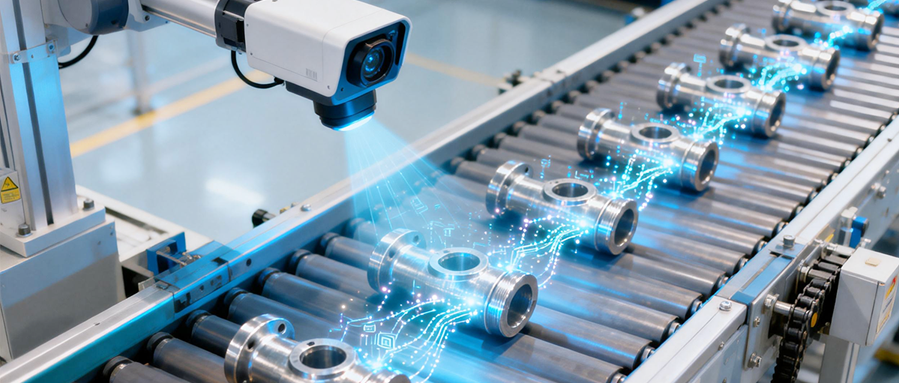
A well-known example is when a visual inspection model, trained mostly on images from one type of machine, fails to generalize to others. This can result in missed defects or unnecessary rework, impacting both efficiency and customer satisfaction.
Common Sources of Bias in Manufacturing AI Models
To effectively tackle fairness issues, it’s important to recognize where bias can enter the pipeline. Some typical sources include:
- Imbalanced training data: If certain defect types or product variations are underrepresented, the model may underperform in those areas.
- Sensor and equipment variation: Differences in camera quality, lighting, or sensor calibration can introduce subtle but significant biases.
- Human labeling errors: Manual annotation of training data can reflect subjective judgments or inconsistencies.
- Process drift: Over time, changes in materials, suppliers, or production methods can shift the data distribution, causing the model to become less fair or accurate.
By understanding these sources, teams can take proactive steps to monitor and correct for them throughout the model lifecycle.
Best Practices for Fairness in AI-Driven Manufacturing
Ensuring fairness in industrial AI requires a combination of technical and organizational strategies. Here are some proven approaches:
-
Diversify and Balance Training Data
Collect data from various machines, shifts, and product runs. Regularly audit datasets to ensure all relevant scenarios are represented. Synthetic data generation can help fill gaps where real-world examples are scarce. -
Standardize Data Collection
Use consistent sensor setups and calibration routines to minimize variability. Document any changes to equipment or processes that could affect data quality. -
Automate and Review Labeling
Combine automated labeling tools with periodic human review. Encourage multiple annotators to label the same data and resolve disagreements through consensus. -
Monitor Model Performance Across Groups
Evaluate accuracy, precision, and recall for different product types, shifts, or lines. Look for disparities and investigate their root causes. -
Retrain and Update Models Regularly
Schedule periodic retraining using fresh data to adapt to process changes and reduce drift. This helps maintain fairness and relevance over time.
For more on maintaining model accuracy over time, see our insights on monitoring ai model drift in factories.

Evaluating Fairness in Manufacturing AI Systems
Assessing fairness is an ongoing process. Manufacturers should use both quantitative and qualitative methods to evaluate their AI models:
- Statistical parity: Compare model outcomes across different groups or product categories to ensure similar performance.
- Error analysis: Investigate false positives and false negatives to identify patterns of unfairness.
- User feedback: Collect input from operators and quality engineers to spot issues that metrics might miss.
It’s also helpful to benchmark against industry standards and guidelines. For a deeper dive into technical approaches, the NEC technical report on bias in AI models provides a comprehensive overview of fairness metrics and mitigation strategies.
Organizational Culture and Governance for Fair AI
Technical solutions alone cannot eliminate bias. Building a culture of fairness requires:
- Cross-functional collaboration: Involve quality, IT, operations, and compliance teams in AI development and review.
- Transparent documentation: Keep detailed records of data sources, model changes, and decision criteria.
- Ethics and compliance training: Educate staff on the risks and responsibilities associated with AI-driven decisions.
- Continuous improvement: Treat fairness as a moving target, with regular reviews and updates as processes evolve.
These practices help ensure that fairness is embedded in both technology and day-to-day operations.
Emerging Tools for Reducing Bias in Manufacturing AI
The field is rapidly evolving, with new tools and frameworks designed to detect and address bias. Some notable developments include:
- Fairness-aware machine learning libraries: Open-source packages that provide metrics and algorithms for bias mitigation.
- Explainable AI (XAI) dashboards: Visualization tools that help teams understand model decisions and spot potential fairness issues.
- Automated data auditing: Software that scans datasets for imbalances or anomalies before model training.
As these tools mature, they will become essential components of any robust manufacturing AI workflow.
Integrating Fairness with Other Advanced Manufacturing Technologies
Bias mitigation does not exist in isolation. It complements other innovations, such as wearable ai for manual inspection support and vision transformers for industrial use. By combining fairness best practices with state-of-the-art AI, manufacturers can achieve higher accuracy, efficiency, and trust in their operations.
Additionally, optimizing model parameters through hyperparameter tuning for inspection models can further reduce unintended bias and improve overall performance.
FAQ: Addressing Fairness in Manufacturing AI
What are the main risks of bias in manufacturing AI models?
The main risks include inconsistent quality control, unfair resource allocation, and potential regulatory violations. These issues can lead to increased costs, customer dissatisfaction, and damage to a company’s reputation.
How can manufacturers detect if their AI models are biased?
Manufacturers can detect bias by analyzing model performance across different product types, shifts, or lines. Statistical tests, error analysis, and feedback from operators are effective ways to identify areas where the model may be unfair.
What steps can be taken to reduce bias in industrial AI systems?
Key steps include diversifying training data, standardizing data collection, regularly retraining models, and involving cross-functional teams in the review process. Using fairness-aware tools and maintaining transparent documentation also play a crucial role.