

Maintaining color consistency is a critical aspect of quality control in industries such as automotive manufacturing, textiles, printing, and consumer electronics. Even minor color deviations can impact brand perception, product quality, and customer satisfaction. Traditionally, ensuring uniformity in color across batches or components relied on manual inspection or basic colorimeters, both of which are prone to human error and limited in scalability.
With the rise of artificial intelligence, color consistency monitoring with AI has transformed how manufacturers achieve precision matching. AI-powered systems can analyze images, detect subtle color shifts, and provide real-time feedback, making them invaluable for modern production lines. This article explores how AI-driven solutions are reshaping color quality assurance, the technologies involved, and the practical benefits for businesses.
For those interested in related advancements, the integration of augmented reality in quality audits is also enhancing the visualization of data and inspection processes, offering further improvements in quality management.
How AI Enhances Color Uniformity in Manufacturing
AI-based color monitoring systems leverage machine learning algorithms and computer vision to analyze product surfaces, detect deviations, and ensure that every item matches the intended color standard. Unlike traditional methods, these systems can process thousands of images per hour, identify minute differences invisible to the human eye, and adapt to changing lighting conditions.
Key features of AI-driven color monitoring include:
- Automated detection of color mismatches in real time
- Consistent performance across different product types and materials
- Integration with production lines for immediate corrective actions
- Data collection for trend analysis and continuous improvement
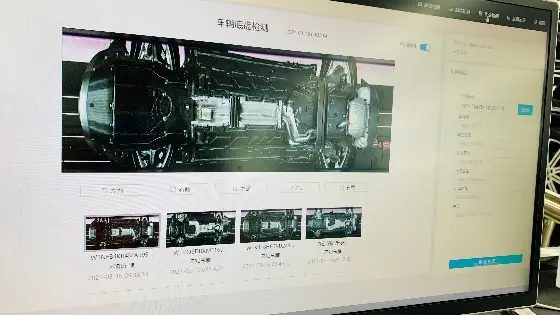
Technologies Behind AI-Based Color Consistency Monitoring
The backbone of modern color inspection is a combination of high-resolution cameras, advanced lighting setups, and sophisticated AI models. These components work together to capture accurate visual data and interpret it with high precision.
- Computer vision algorithms segment product images and isolate areas for color analysis, ensuring that only relevant surfaces are evaluated.
- Machine learning models are trained on large datasets of acceptable and unacceptable color samples, enabling them to distinguish subtle variations and learn from new data over time.
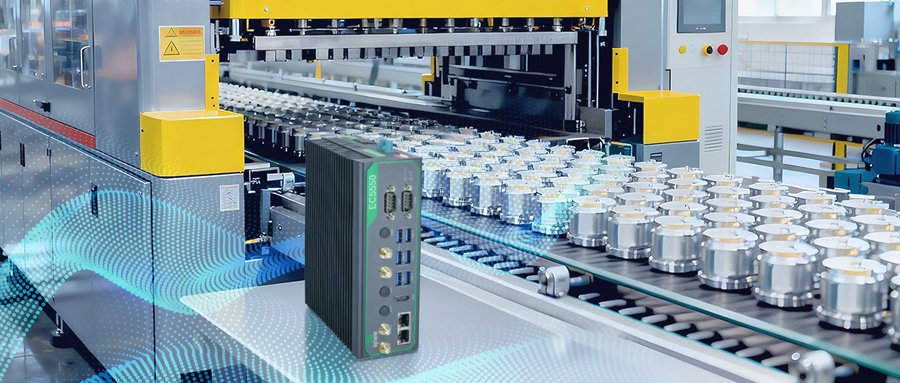
- Edge computing allows color analysis to happen directly on the production floor, minimizing latency and enabling instant feedback.
Some systems also incorporate vision transformers for industrial use, which further improve the accuracy and adaptability of AI-based inspection.
Benefits of AI-Driven Color Matching for Quality Control
Implementing color consistency monitoring with AI delivers measurable advantages across the production lifecycle:
- Higher accuracy: AI systems outperform manual inspection by detecting color shifts as small as a fraction of a Delta E unit, reducing the risk of defective products reaching customers.
- Increased efficiency: Automated monitoring accelerates inspection processes, allowing manufacturers to scale up production without sacrificing quality.
- Reduced costs: Early detection of color inconsistencies prevents costly recalls, rework, and material waste.
- Data-driven insights: Continuous monitoring generates valuable data for process optimization, supplier evaluation, and predictive maintenance.
For a broader perspective on how AI is transforming inspection and quality assurance, see this overview of the benefits of using AI in quality control and inspection.
Real-World Applications Across Industries
The adoption of AI-powered color monitoring is rapidly expanding across various sectors:
- Automotive: Ensuring that body panels, bumpers, and interior components match perfectly, even when produced in different facilities or at different times.
- Textiles and apparel: Monitoring dye lots and fabric batches for uniformity, reducing returns due to mismatched colors.
- Printing and packaging: Verifying that printed materials maintain brand colors across different runs and substrates.
- Consumer electronics: Guaranteeing that device casings and accessories are visually consistent, reinforcing product quality.
Some manufacturers are also combining AI with wearable ai for manual inspection support to provide inspectors with real-time guidance and feedback, further enhancing the reliability of color assessments.
Challenges and Considerations in AI-Powered Color Inspection
While the benefits are significant, deploying AI for color quality assurance presents some challenges:
- Lighting variability: Changes in ambient or artificial lighting can affect color perception. AI systems must be calibrated to account for these variables.
- Material differences: Reflective, textured, or translucent surfaces may require specialized algorithms or imaging techniques.
- Model drift: Over time, AI models may become less accurate as production conditions evolve. Regular retraining and monitoring are essential. For more on this, explore monitoring ai model drift in factories.
- Integration complexity: Retrofitting existing production lines with AI-based systems can require significant investment and technical expertise.
Despite these hurdles, the long-term gains in quality, efficiency, and brand reputation make AI-powered color monitoring a compelling investment for forward-thinking manufacturers.
Best Practices for Implementing AI Color Consistency Solutions
To maximize the value of AI-driven color inspection, manufacturers should consider the following best practices:
- Define clear color standards: Establish precise color targets and acceptable tolerances for each product or component.
- Invest in high-quality imaging hardware: Use cameras and lighting systems that capture true-to-life colors and minimize distortion.
- Train AI models with diverse data: Include samples from different batches, materials, and lighting conditions to improve robustness.
- Monitor and retrain regularly: Periodically assess model performance and update training data to prevent drift.
- Integrate with existing systems: Ensure that AI solutions communicate seamlessly with production management and quality control platforms.
For organizations seeking to optimize their AI models, hyperparameter tuning for inspection models can further enhance accuracy and adaptability.
FAQ: AI and Color Consistency in Industry
How does AI improve color matching compared to traditional methods?
AI systems use advanced algorithms to analyze images at a pixel level, detecting color variations that may be missed by human inspectors or basic instruments. They provide consistent, objective assessments and can process large volumes of products rapidly, reducing human error and increasing throughput.
What types of industries benefit most from AI-based color monitoring?
Industries where visual appearance and brand consistency are critical—such as automotive, textiles, printing, packaging, and electronics—see the greatest benefits. Any sector that requires precise color matching across batches or components can leverage AI for improved quality control.
What are the key considerations when deploying AI for color inspection?
Manufacturers should ensure that their imaging setup is optimized for accurate color capture, select or train AI models suited to their specific materials and products, and establish processes for ongoing calibration and model retraining. Addressing lighting variability and integrating with existing quality systems are also important for success.
Conclusion
Color consistency monitoring with AI is redefining quality assurance by delivering unmatched precision, speed, and reliability. As industries continue to demand higher standards and faster production cycles, AI-powered solutions will play an increasingly vital role in ensuring that every product meets exacting color requirements. By adopting best practices and staying informed about technological advancements, manufacturers can achieve both operational excellence and customer satisfaction.