
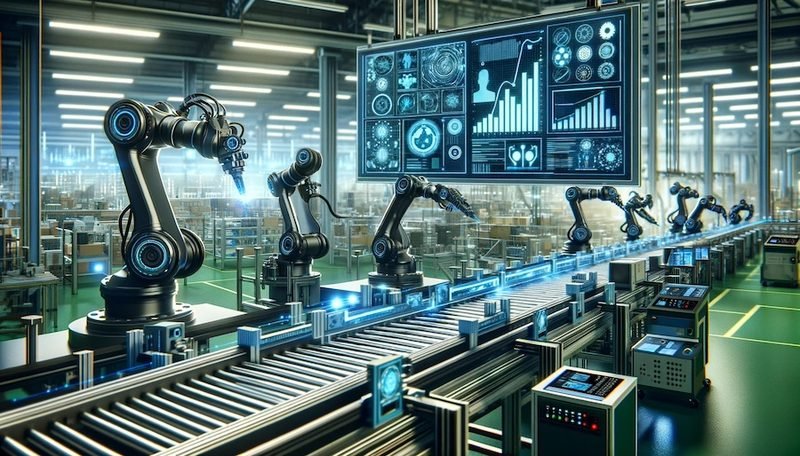
Manufacturers today face increasing pressure to deliver high-quality products, comply with stringent regulations, and optimize operational efficiency. Traditional quality checks and periodic audits are no longer enough to keep up with the pace of modern production environments. This is where continuous audit systems in manufacturing come into play, offering real-time insights and proactive control over processes. These systems leverage automation, data analytics, and advanced monitoring technologies to transform the way factories maintain standards and respond to issues.
Understanding how these solutions work, their benefits, and how to implement them can help organizations streamline operations and stay competitive. For teams looking to enhance their approach, integrating advanced manufacturing quality analytics can further empower smarter decision-making and continuous improvement.
What Are Continuous Audit Systems?
At their core, continuous audit systems in manufacturing are automated frameworks that monitor production lines, equipment, and processes in real time. Unlike periodic audits, which provide only snapshots of compliance and quality, these systems deliver ongoing oversight. They collect data from sensors, machines, and digital platforms, analyzing it instantly to detect anomalies, inefficiencies, or deviations from set standards.
Key components typically include:
- Data acquisition from IoT devices, sensors, and machine controllers
- Automated data analysis using AI or statistical models
- Real-time alerts and reporting dashboards
- Integration with manufacturing execution systems (MES) and enterprise resource planning (ERP) tools
This approach enables organizations to identify and address issues as they arise, rather than after the fact, reducing risks and improving overall product quality.
Why Real-Time Monitoring Matters in Manufacturing
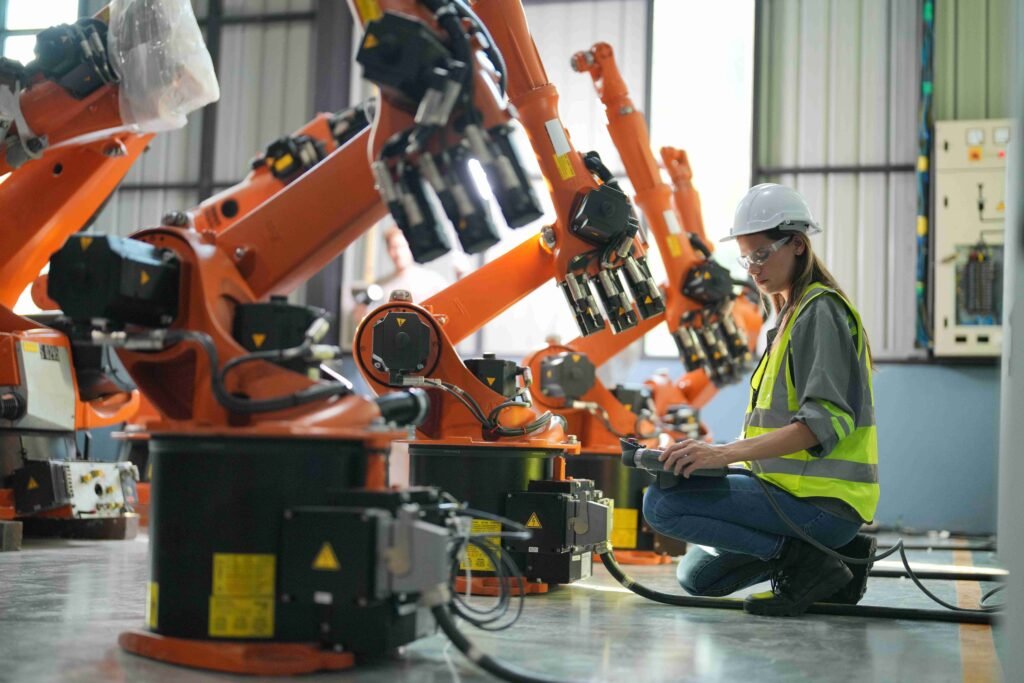
The shift from manual audits to continuous, automated oversight is driven by the need for speed, accuracy, and agility. Real-time monitoring allows manufacturers to:
- Detect process deviations immediately, minimizing waste and rework
- Ensure regulatory compliance at all times
- Reduce the risk of defective products reaching customers
- Optimize resource utilization and machine uptime
According to industry experts, the benefits of real-time monitoring extend beyond quality control, supporting predictive maintenance and operational efficiency. By acting on live data, teams can prevent minor issues from escalating into costly problems.
Key Features of Effective Continuous Audit Platforms
Not all solutions are created equal. The most effective continuous audit systems in manufacturing share several important features:
- Automated data collection: Seamless integration with existing equipment and digital platforms to gather accurate information without manual intervention.
- Advanced analytics: AI-driven algorithms that can spot trends, outliers, and emerging risks in massive data streams.
- Customizable alerts: Configurable notifications that ensure the right personnel are informed instantly when issues occur.
- User-friendly dashboards: Visual interfaces that make it easy to interpret data and track key performance indicators.
- Scalability: The ability to expand across multiple lines, plants, or even global operations as needed.
These features help organizations move from reactive to proactive quality management, supporting continuous improvement and operational excellence.
How Continuous Oversight Improves Quality and Compliance
Implementing ongoing audit processes brings measurable improvements to both product quality and regulatory compliance. By continuously monitoring every stage of production, manufacturers can:
- Catch quality issues before they propagate through the supply chain
- Maintain detailed records for audits and certifications
- Reduce the time and cost associated with manual inspections
- Meet industry standards and customer expectations more consistently
For example, integrating next generation quality monitoring systems with continuous audit platforms enables a holistic approach to quality assurance, combining real-time detection with advanced analytics for deeper insights.
Integrating Continuous Audit with Other Manufacturing Technologies
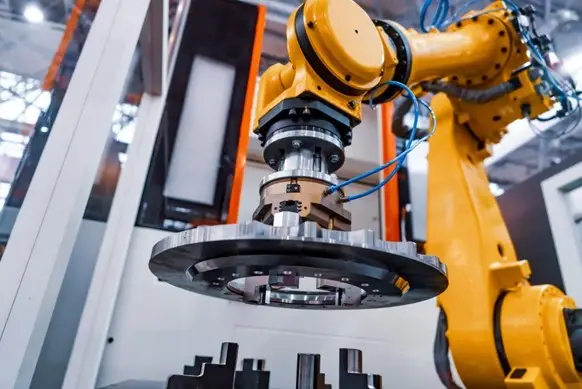
Modern factories often rely on a suite of digital tools to manage production, logistics, and quality. Connecting continuous audit systems with solutions such as MES, ERP, and quality analytics platforms unlocks even greater value. This integration allows for:
- Unified data streams, reducing silos and manual data entry
- Automated corrective actions, such as machine adjustments or process halts
- Comprehensive reporting for management and compliance teams
- Enhanced traceability from raw materials to finished goods
For organizations focused on maximizing efficiency, combining these systems with OEE monitoring and quality control can further boost plant performance and reduce downtime.
Steps to Implement Continuous Audit Solutions
Adopting a real-time audit approach requires careful planning and execution. Here’s a step-by-step outline for successful implementation:
- Assess current processes: Identify areas where manual audits are frequent or where data gaps exist.
- Select the right technology: Choose platforms that integrate smoothly with your existing infrastructure and support your specific goals.
- Connect data sources: Integrate sensors, machines, and software systems to enable seamless data flow.
- Configure analytics and alerts: Set up rules, thresholds, and notification protocols tailored to your operations.
- Train staff: Ensure operators, engineers, and managers understand how to use the system and interpret results.
- Monitor and refine: Continuously review system performance and make adjustments as needed for optimal results.
Throughout this process, it’s important to involve cross-functional teams—including IT, quality, and production—to ensure buy-in and smooth adoption.
Common Challenges and How to Overcome Them
While the benefits are clear, transitioning to continuous audit frameworks can present some hurdles:
- Data overload: The volume of information generated can be overwhelming without proper analytics tools.
- Integration complexity: Connecting legacy equipment and new digital platforms may require custom solutions.
- Change management: Staff may be resistant to new processes or skeptical of automation.
- Cost considerations: Upfront investment in technology and training can be significant, though ROI is typically strong over time.
Overcoming these challenges involves selecting scalable, user-friendly platforms, investing in staff education, and starting with pilot projects before full-scale rollout. Leveraging resources like variance detection in manufacturing can also help teams quickly demonstrate value and build momentum.
Measuring Success: KPIs for Continuous Audit Initiatives
To ensure your investment delivers results, it’s essential to track key performance indicators. Common metrics include:
- Reduction in defect rates and scrap
- Decrease in unplanned downtime
- Faster response times to quality incidents
- Improved compliance audit scores
- Increased throughput and yield
For a deeper dive into relevant metrics, see this guide on manufacturing performance indicators.
FAQ: Continuous Audit in Manufacturing
What types of manufacturers benefit most from continuous audit systems?
Any organization seeking to improve quality, compliance, or operational efficiency can benefit, but these systems are especially valuable in regulated industries (such as automotive, aerospace, and pharmaceuticals) and high-volume production environments where early detection of issues is critical.
How do continuous audit platforms handle legacy equipment?
Many solutions offer adapters or middleware to connect older machines and sensors. While integration may require some customization, most modern platforms are designed to work with a mix of legacy and new equipment.
Are continuous audit systems expensive to maintain?
While there is an initial investment, ongoing maintenance costs are typically offset by savings from reduced defects, less downtime, and improved efficiency. Cloud-based solutions can also help lower IT overhead and streamline updates.