
Modern foundries face increasing demands for higher productivity, tighter tolerances, and consistent product quality. As the backbone of many metal production processes, continuous casting requires vigilant oversight to ensure that defects are minimized and output remains reliable. Continuous casting quality monitoring has become essential for manufacturers aiming to meet industry standards, reduce waste, and maintain competitiveness.
With the integration of advanced sensors, machine vision, and real-time analytics, today’s monitoring solutions empower foundries to detect issues early and take corrective action before costly defects propagate. This article explores the technologies, benefits, and best practices shaping quality assurance in continuous casting operations.
For those interested in broader advancements, next generation quality monitoring systems are transforming how factories approach defect detection and process optimization across industries.
Why Quality Monitoring Matters in Continuous Casting
Continuous casting is a process where molten metal is solidified into a semi-finished billet, bloom, or slab for subsequent rolling. Because the process runs non-stop, any defect or deviation can quickly affect large volumes of material. Effective quality monitoring is crucial for several reasons:
- Defect Prevention: Early detection of surface cracks, inclusions, or dimensional errors helps prevent downstream issues.
- Yield Improvement: By minimizing scrap and rework, foundries can maximize usable output from each casting run.
- Cost Reduction: Identifying problems in real time reduces material waste, energy consumption, and labor costs.
- Regulatory Compliance: Meeting industry and customer standards is easier with robust monitoring and traceability.
The shift toward digitalization and automation has made it possible to monitor every stage of the casting process, from mold level control to finished product inspection.
Key Technologies in Continuous Casting Quality Monitoring
Modern foundries rely on a suite of technologies to ensure high-quality output. The following are central to effective monitoring:
Machine Vision Systems
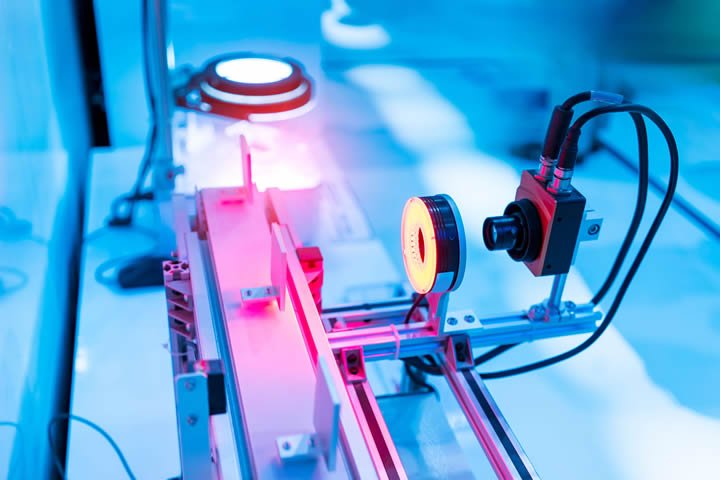
Machine vision is at the heart of automated inspection. High-resolution cameras and image processing algorithms can identify surface defects, measure dimensions, and track product consistency at speeds far beyond human capability. These systems are often integrated directly into the casting line, providing instant feedback and enabling automated rejection or sorting of defective products.
Thermal Imaging and Infrared Sensors
Temperature control is critical in continuous casting. Infrared cameras and pyrometers monitor the temperature profile of the metal as it solidifies, detecting hot spots, cold shuts, or uneven cooling that could lead to cracks or internal flaws. Real-time thermal data allows operators to adjust cooling rates and casting speeds to maintain optimal conditions.
Laser Profiling and Dimensional Measurement
Lasers and 3D scanners are used to measure the geometry of cast products. By comparing real-time measurements to target specifications, foundries can quickly spot deviations in thickness, width, or straightness. This data supports both immediate corrective action and long-term process improvement.
Data Analytics and Real-Time Dashboards
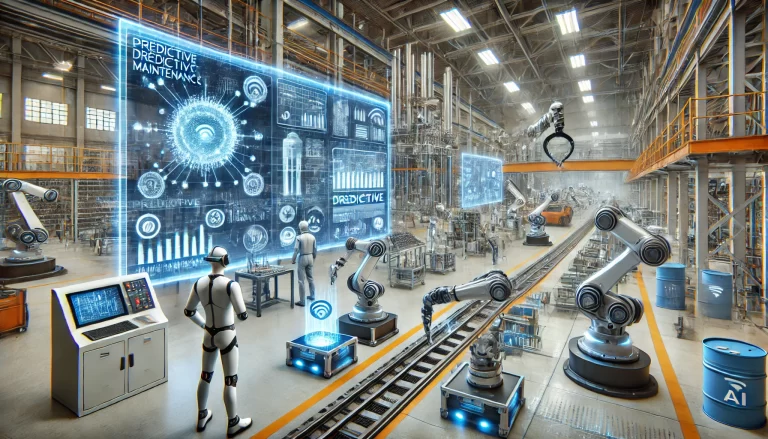
The integration of sensors and inspection devices generates vast amounts of data. Advanced analytics platforms aggregate this information, providing operators with real-time dashboards and trend analysis. These tools support predictive maintenance, root cause analysis, and continuous improvement initiatives.
For more on how real-time data is transforming manufacturing, see the importance of real-time quality control in your supply chain.
Best Practices for Implementing Quality Monitoring in Foundries
Adopting a robust continuous casting quality monitoring strategy involves more than just installing new equipment. Success depends on a combination of technology, process, and culture:
- Integrate Across the Process: Monitoring should cover every stage, from mold level to final product inspection, ensuring no blind spots.
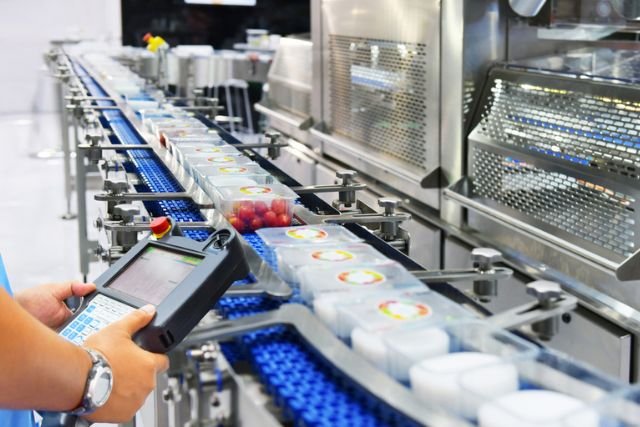
- Automate Where Possible: Automated systems reduce human error and enable 24/7 operation without fatigue.
- Train Personnel: Operators and engineers need training to interpret data, maintain equipment, and respond to alerts effectively.
- Leverage Data for Improvement: Use collected data not just for defect detection, but also for process optimization and predictive maintenance.
- Regular Calibration and Maintenance: Inspection devices and sensors must be regularly checked to maintain accuracy and reliability.
Implementing these practices helps foundries achieve higher product quality, reduce downtime, and maintain a competitive edge.
Benefits of Advanced Quality Monitoring in Continuous Casting
The transition to automated and data-driven monitoring systems delivers significant advantages:
- Reduced Scrap and Rework: Early detection of defects means less material is wasted, and fewer products require costly reprocessing.
- Improved Consistency: Automated systems ensure every product meets specifications, supporting customer satisfaction and repeat business.
- Faster Problem Resolution: Real-time alerts enable immediate corrective action, minimizing the impact of process deviations.
- Enhanced Traceability: Digital records allow for easy tracking of quality metrics and support compliance with industry standards.
- Lower Operating Costs: By reducing manual inspection and minimizing downtime, foundries can operate more efficiently.
These benefits are further amplified when monitoring is integrated with broader plant management systems, such as OEE monitoring and quality control platforms.
Challenges and Considerations
While the advantages are clear, implementing advanced monitoring in continuous casting comes with its own set of challenges:
- Initial Investment: High-quality sensors, cameras, and analytics platforms require upfront capital.
- Integration Complexity: Retrofitting existing lines or connecting disparate systems can be technically demanding.
- Data Overload: Without proper analytics, the sheer volume of data can overwhelm operators and dilute actionable insights.
- Change Management: Shifting to automated systems may require cultural change and ongoing training for staff.
Foundries should approach implementation with a clear strategy, focusing on areas with the highest return on investment and ensuring ongoing support for both technology and personnel.
Continuous Improvement and Future Trends
The future of continuous casting quality monitoring lies in greater automation, machine learning, and integration with plant-wide digital systems. As artificial intelligence becomes more capable, defect detection will become even more accurate and predictive, enabling foundries to move from reactive to proactive quality management.
Emerging trends include:
- AI-Powered Defect Recognition: Deep learning models can identify subtle patterns and anomalies that traditional algorithms might miss.
- Edge Computing: Processing data closer to the source reduces latency and enables faster decision-making.
- Cloud-Based Analytics: Centralized data storage and analysis support benchmarking across multiple facilities and continuous improvement initiatives.
- Integration with KPI Tracking: Linking quality monitoring with quality KPI tracking systems provides a holistic view of plant performance.
As these technologies mature, foundries will be better equipped to deliver consistent, high-quality products while reducing costs and environmental impact.
Frequently Asked Questions
What are the most common defects detected by continuous casting quality monitoring systems?
Typical defects include surface cracks, inclusions, segregation, dimensional deviations, and internal voids. Advanced monitoring systems can also identify temperature anomalies and irregular cooling patterns that may lead to downstream issues.
How does real-time monitoring improve foundry productivity?
Real-time monitoring enables operators to detect and address problems as they occur, reducing scrap, minimizing downtime, and ensuring that only products meeting specifications proceed to the next stage. This proactive approach leads to higher throughput and lower operating costs.
Is it possible to retrofit older casting lines with modern quality monitoring technology?
Yes, many monitoring solutions are designed to be modular and can be integrated with existing equipment. However, the complexity and cost of retrofitting will depend on the current state of the line and the specific technologies being implemented.