
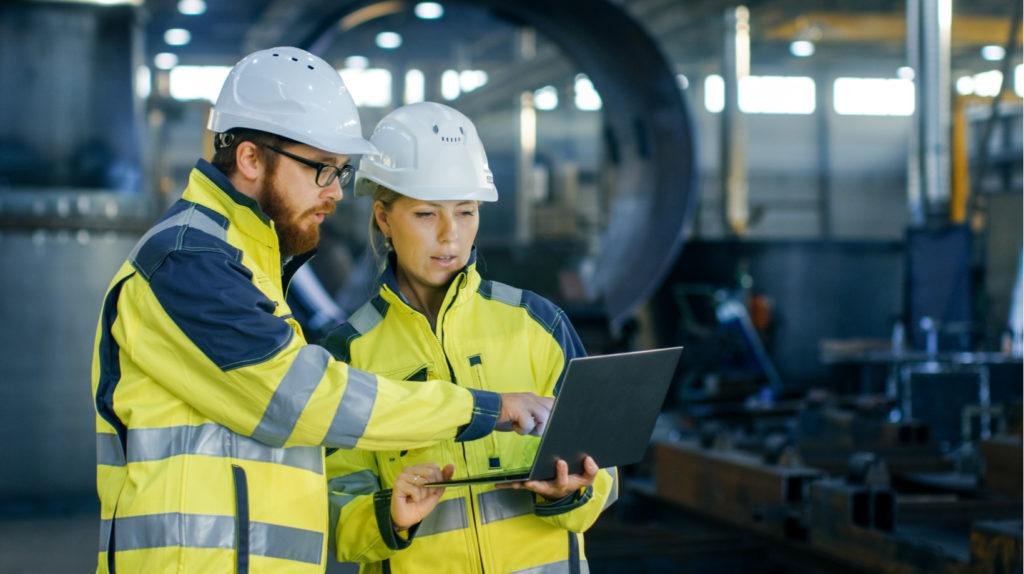
Cross functional collaboration in manufacturing is no longer a buzzword—it’s a necessity for organizations striving to stay competitive and agile. As manufacturing processes become more complex and digital transformation accelerates, the ability for teams from engineering, production, quality assurance, IT, and supply chain to work together seamlessly is a key driver of efficiency, innovation, and quality. When departments break down silos and share expertise, manufacturers can respond faster to market changes, solve problems more effectively, and deliver better products.
The shift toward integrated teamwork is also being fueled by Industry 4.0 technologies, which demand new ways of working and real-time data sharing. For example, leveraging augmented reality in quality audits can only reach its full potential when quality, IT, and production teams coordinate their efforts. This article explores the benefits, challenges, and best practices for building a collaborative culture in manufacturing environments.
Why Integrated Teams Matter in Modern Manufacturing
Manufacturing today is a complex network of processes, technologies, and people. No single department can manage all aspects of product development, quality control, and delivery on its own. By fostering cross functional collaboration in manufacturing environments, organizations can:
- Accelerate problem-solving: Diverse teams bring multiple perspectives, leading to faster identification and resolution of issues on the shop floor.
- Drive innovation: When engineers, operators, and IT specialists work together, they can develop creative solutions that might not emerge in isolated teams.
- Enhance quality: Collaboration between quality assurance and production ensures that defects are caught early and corrective actions are implemented quickly.
- Improve efficiency: Streamlined communication reduces delays and misunderstandings, leading to smoother workflows and reduced waste.
The result is a more resilient organization that can adapt to customer demands, regulatory changes, and technological advancements.
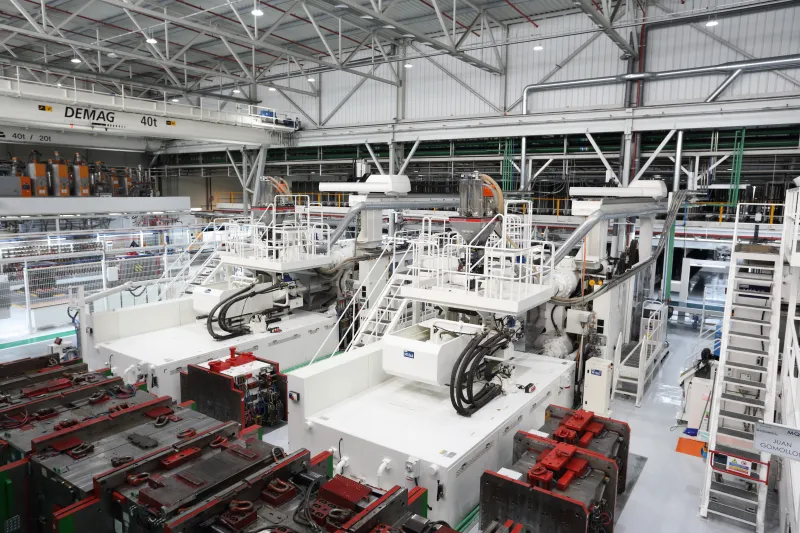
Key Elements of Successful Cross-Departmental Collaboration
Building a culture of teamwork across departments requires more than just good intentions. Here are some foundational elements that support effective collaboration:
- Clear goals and shared vision: Teams need to understand the organization’s objectives and how their work contributes to the bigger picture.
- Open communication channels: Regular meetings, digital collaboration tools, and transparent reporting systems help keep everyone aligned.
- Defined roles and responsibilities: Clarity about who is responsible for what prevents confusion and overlap.
- Leadership support: Managers must encourage teamwork, recognize collaborative efforts, and remove barriers to cooperation.
- Continuous learning: Training programs and cross-training initiatives enable employees to understand other departments’ challenges and capabilities.
For example, when introducing new technologies like wearable AI for manual inspection support, involving both IT and quality teams from the start ensures smoother implementation and faster adoption.
Challenges to Effective Teamwork and How to Overcome Them
Despite the clear benefits, achieving seamless cross functional collaboration in manufacturing can be challenging. Common obstacles include:
- Departmental silos: Long-standing habits and organizational structures can make it difficult for teams to share information and resources.
- Communication gaps: Differences in terminology, priorities, and work styles can lead to misunderstandings.
- Resistance to change: Employees may be hesitant to adopt new processes or technologies that require closer cooperation.
- Lack of trust: If teams don’t trust each other’s expertise or intentions, collaboration can stall.
Overcoming these barriers requires intentional effort. Leadership must set the tone by modeling collaborative behavior and rewarding teamwork. Regular cross-functional meetings, joint problem-solving sessions, and shared metrics can help bridge gaps. Investing in digital tools that support real-time communication and data sharing also plays a critical role.
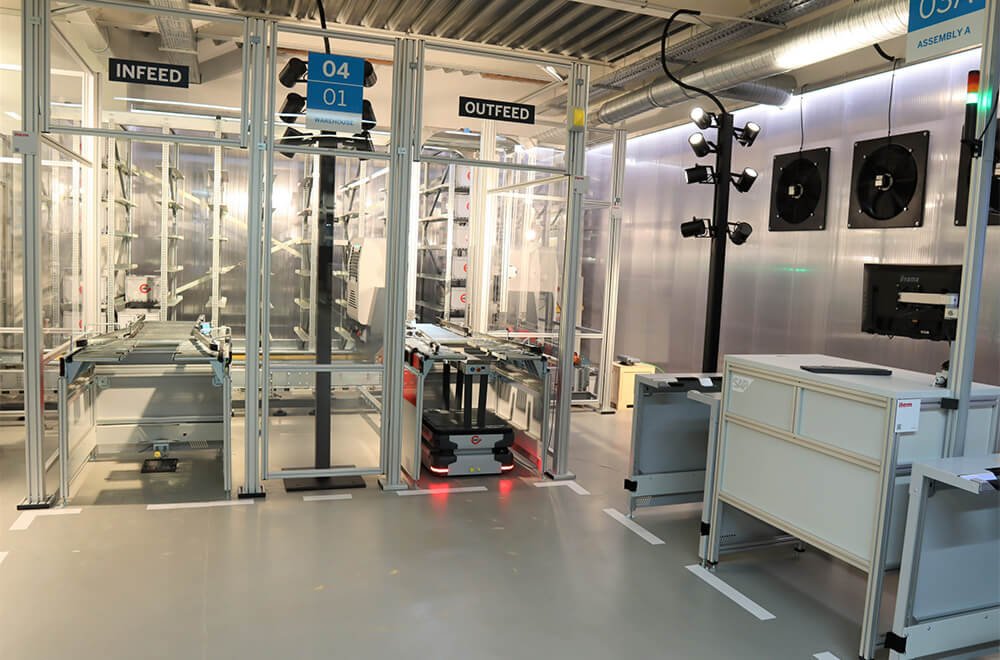
Digital Transformation and Team Integration
The rise of Industry 4.0 has made digital transformation a top priority for manufacturers. Technologies such as IoT sensors, AI-driven analytics, and cloud-based platforms require close cooperation between IT, operations, and engineering. For example, monitoring production quality now often involves advanced tools like monitoring AI model drift in factories, which demands input from data scientists, quality engineers, and line operators.
To maximize the benefits of digital initiatives, organizations should:
- Involve all relevant departments early in technology selection and implementation.
- Provide cross-training so employees understand both the technical and operational aspects of new systems.
- Establish feedback loops to continuously improve processes based on input from all stakeholders.
When teams work together to integrate new technologies, manufacturers can boost productivity, enhance product quality, and respond more quickly to market demands.
Best Practices for Fostering Collaboration on the Shop Floor
To create an environment where teamwork thrives, manufacturing leaders can adopt several proven strategies:
- Cross-functional project teams: Assign employees from different departments to work together on specific projects, such as process improvements or new product launches.
- Shared performance metrics: Use KPIs that reflect the success of the entire process, not just individual departments.
- Regular knowledge sharing: Host workshops, lunch-and-learns, or digital forums where teams can share insights and lessons learned.
- Recognition programs: Celebrate collaborative achievements to reinforce the value of teamwork.
- Continuous improvement mindset: Encourage employees to identify and act on opportunities for process optimization, drawing on expertise from across the organization.
For more ideas on streamlining operations, see this guide to improving manufacturing efficiency.
Measuring the Impact of Collaborative Efforts
To ensure that cross-functional initiatives are delivering value, it’s important to track progress and outcomes. Key indicators might include:
- Reduction in production downtime or defects
- Faster time-to-market for new products
- Increased employee engagement and retention
- Improved customer satisfaction scores
Regularly reviewing these metrics helps organizations identify what’s working and where further improvements are needed. Advanced analytics tools, such as vision transformers for industrial use, can provide deeper insights into process performance and team effectiveness.
FAQ: Cross-Departmental Teamwork in Manufacturing
What are the main benefits of integrated teams in manufacturing?
Bringing together employees from different departments leads to faster problem-solving, greater innovation, higher product quality, and more efficient workflows. This approach also helps organizations adapt quickly to changes in technology and market demands.
How can manufacturers overcome resistance to cross-functional collaboration?
Leaders should communicate the value of teamwork, provide training, and create opportunities for employees to work together on projects. Recognizing and rewarding collaborative efforts can also help shift mindsets and build trust across teams.
What role does technology play in supporting collaborative manufacturing?
Digital tools such as real-time data dashboards, cloud-based communication platforms, and AI-powered analytics enable teams to share information quickly and make better decisions. Successful adoption of these technologies requires input and cooperation from multiple departments.