

Achieving optimal performance in manufacturing requires more than just advanced machinery and skilled labor. One of the most critical, yet often underestimated, aspects is demand planning for manufacturing efficiency. By accurately forecasting demand and aligning production schedules, manufacturers can minimize waste, reduce costs, and ensure timely delivery. This guide explores the essential components, benefits, and best practices for effective demand planning in the manufacturing sector.
Modern factories are increasingly turning to digital tools and data-driven strategies to enhance their planning processes. The integration of artificial intelligence, real-time analytics, and automation is transforming how manufacturers anticipate market needs and manage resources. For organizations looking to stay competitive, mastering demand forecasting and aligning it with production is no longer optional—it’s a necessity.
As manufacturers seek to improve their planning processes, many are exploring advanced technologies such as augmented reality in quality audits to visualize data and enhance decision-making. Leveraging these innovations can further streamline operations and support more accurate forecasting.
Understanding the Role of Demand Planning in Production
At its core, demand planning involves predicting customer demand to ensure that products are manufactured in the right quantities, at the right time, and delivered efficiently. This process bridges the gap between sales forecasts and production schedules, enabling manufacturers to balance inventory levels and avoid both shortages and overproduction.
Key elements of effective demand planning include:
- Data Collection: Gathering historical sales data, market trends, and customer feedback.
- Forecasting Techniques: Using statistical models, machine learning, or expert judgment to predict future demand.
- Collaboration: Coordinating between sales, marketing, operations, and supply chain teams.
- Continuous Monitoring: Regularly reviewing forecasts and adjusting plans as market conditions change.
By integrating these components, manufacturers can create a responsive system that adapts to fluctuations in demand and minimizes inefficiencies.

Key Benefits of Streamlined Demand Forecasting
Implementing robust demand forecasting processes delivers significant advantages for manufacturing operations. Some of the most impactful benefits include:
- Reduced Inventory Costs: Accurate forecasts help maintain optimal inventory levels, lowering storage expenses and reducing the risk of obsolete stock.
- Improved Production Scheduling: Aligning manufacturing output with real demand minimizes idle time and maximizes equipment utilization.
- Enhanced Customer Satisfaction: Meeting delivery deadlines and avoiding stockouts leads to higher customer trust and repeat business.
- Lower Waste and Environmental Impact: Producing only what is needed reduces raw material waste and supports sustainability goals.
- Agility in Responding to Market Changes: A data-driven approach enables manufacturers to quickly adjust to shifts in demand, supply chain disruptions, or new market opportunities.
For companies aiming to boost their operational performance, demand planning for manufacturing efficiency is a strategic lever that can drive both cost savings and competitive advantage.
Best Practices for Effective Demand Planning
To maximize the impact of demand planning, manufacturers should adopt a set of proven practices that support accuracy and adaptability. These include:
- Leverage Advanced Analytics: Utilize predictive analytics and machine learning models to enhance forecast precision. These tools can identify patterns and anomalies that traditional methods might miss.
- Foster Cross-Functional Collaboration: Encourage regular communication between departments such as sales, operations, and procurement. Sharing insights and aligning goals ensures that forecasts are realistic and actionable.
- Integrate Real-Time Data: Incorporate up-to-date information from sensors, IoT devices, and market feeds to create dynamic forecasts that reflect current conditions.
- Scenario Planning: Develop contingency plans for different demand scenarios, such as sudden spikes or drops, to maintain flexibility and resilience.
- Continuous Improvement: Regularly review forecast accuracy, gather feedback, and refine processes to drive ongoing improvements.
Adopting these strategies can help manufacturers stay ahead of market trends and maintain efficient, responsive operations.
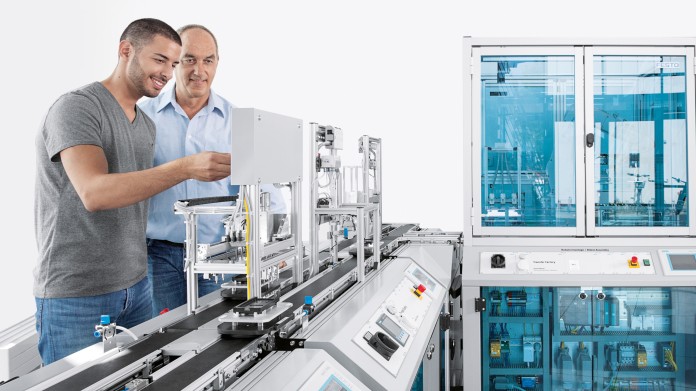
Integrating Technology for Enhanced Manufacturing Efficiency
The adoption of digital solutions is transforming how manufacturers approach demand planning. Technologies such as cloud-based ERP systems, AI-driven analytics, and digital twins enable real-time visibility and more accurate forecasting. These tools help streamline communication, automate data collection, and provide actionable insights for decision-makers.
For example, integrating demand planning for manufacturing efficiency with quality control systems can further optimize production. Emerging technologies like wearable AI for manual inspection support and vision transformers for industrial use are also enhancing the accuracy and speed of inspections, feeding valuable data back into the planning process.
Manufacturers who invest in these innovations are better positioned to respond to market changes, reduce lead times, and maintain high standards of quality and efficiency.
Common Challenges and How to Overcome Them
Despite its benefits, implementing effective demand planning is not without obstacles. Some of the most frequent challenges include:
- Data Silos: Disconnected systems and departments can lead to incomplete or inconsistent data, hampering accurate forecasting.
- Forecasting Uncertainty: Rapid market changes, new product launches, or unpredictable events can make demand difficult to predict.
- Resistance to Change: Employees may be hesitant to adopt new processes or technologies, slowing down transformation efforts.
- Resource Constraints: Limited budgets or lack of expertise can restrict the implementation of advanced analytics or automation tools.
To address these issues, manufacturers should prioritize data integration, invest in employee training, and start with pilot projects to demonstrate the value of new approaches. Regularly reviewing and refining processes ensures that demand planning remains aligned with business objectives and market realities.
Measuring the Impact of Demand Planning Initiatives
Tracking the effectiveness of demand planning strategies is essential for continuous improvement. Key performance indicators (KPIs) to monitor include:
- Forecast Accuracy: The percentage of actual demand that matches forecasts.
- Inventory Turnover: How often inventory is sold and replaced over a period.
- Order Fulfillment Rate: The proportion of customer orders delivered on time and in full.
- Production Lead Time: The time taken from order receipt to product delivery.
- Waste Reduction: Decreases in excess inventory and scrap materials.
By regularly assessing these metrics, manufacturers can identify areas for improvement and ensure that their planning processes are delivering tangible results.
Further Resources and Strategies
For those seeking to deepen their understanding and enhance their operations, exploring additional resources can be invaluable. A detailed overview of 10 strategies to improve production efficiency provides actionable tips for optimizing manufacturing processes and integrating demand planning with broader operational goals.
Additionally, keeping an eye on emerging trends such as monitoring AI model drift in factories and hyperparameter tuning for inspection models can help manufacturers stay at the forefront of innovation and maintain a competitive edge.
Frequently Asked Questions
What is the main goal of demand planning in manufacturing?
The primary objective is to align production output with actual market demand, ensuring that resources are used efficiently, inventory levels are optimized, and customer needs are met without overproduction or stockouts.
How does technology improve demand forecasting accuracy?
Digital tools such as AI, machine learning, and real-time analytics enable manufacturers to analyze large datasets, identify patterns, and adjust forecasts quickly. This leads to more precise predictions and better alignment between supply and demand.
What are some common mistakes to avoid in demand planning?
Relying solely on historical data without considering market trends, failing to communicate across departments, and neglecting to review and update forecasts regularly are common pitfalls. Adopting a proactive, collaborative approach helps avoid these issues.