
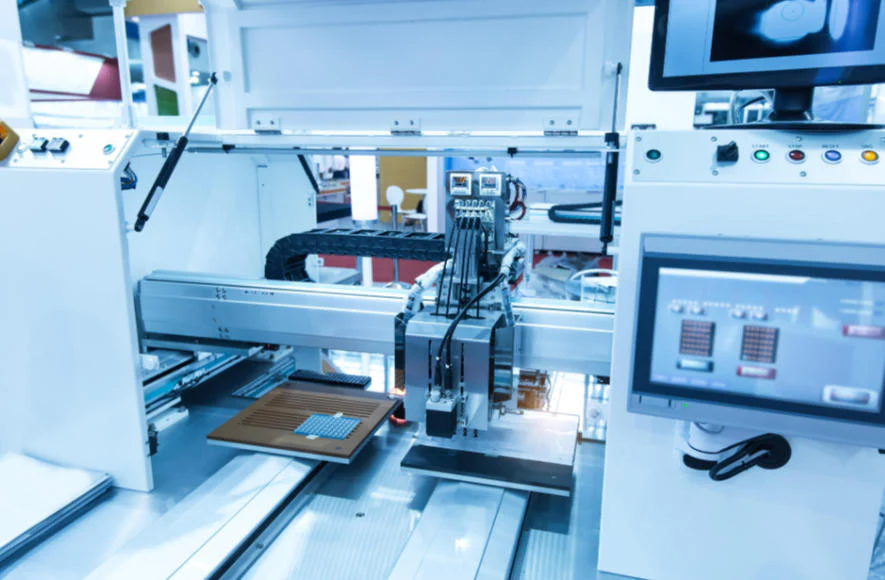
The rapid evolution of smart manufacturing is transforming how plants maintain product quality and operational efficiency. At the heart of this transformation are digital twin quality simulation systems, which enable manufacturers to create virtual replicas of their physical assets, processes, and workflows. These digital models allow for real-time monitoring, predictive analysis, and optimization—empowering plants to achieve higher levels of quality assurance and productivity.
By leveraging simulation and digital twins, organizations can proactively identify potential issues, reduce downtime, and streamline decision-making. This guide explores the core concepts, benefits, and practical applications of these advanced systems in modern smart plants.
For organizations looking to maximize efficiency, integrating simulation-driven quality monitoring with other digital solutions is essential. For example, adopting OEE monitoring and quality control can further boost plant performance by providing actionable insights into equipment effectiveness and process reliability.
Understanding Digital Twins in Manufacturing
A digital twin is a dynamic, virtual representation of a physical object, process, or system. In manufacturing, these models are continuously updated with real-time data from sensors, machines, and production lines. This enables engineers and operators to simulate, predict, and optimize plant operations without interrupting actual production.
Digital twins are not static blueprints—they evolve alongside their physical counterparts. By mirroring the real-world environment, they support advanced analytics, scenario testing, and quality simulations. This is particularly valuable for smart plants aiming to stay competitive in an increasingly data-driven landscape.
Key Components of Quality Simulation Systems
Modern digital twin quality simulation systems are built on several foundational elements:
- Data Integration: Aggregating information from IoT sensors, control systems, and enterprise software to create a comprehensive digital model.
- Simulation Engines: Running virtual scenarios to test process changes, quality interventions, and failure modes.
- Analytics and Visualization: Providing intuitive dashboards and reports for real-time monitoring and decision support.
- Feedback Loops: Enabling the system to learn from outcomes and continuously improve recommendations.
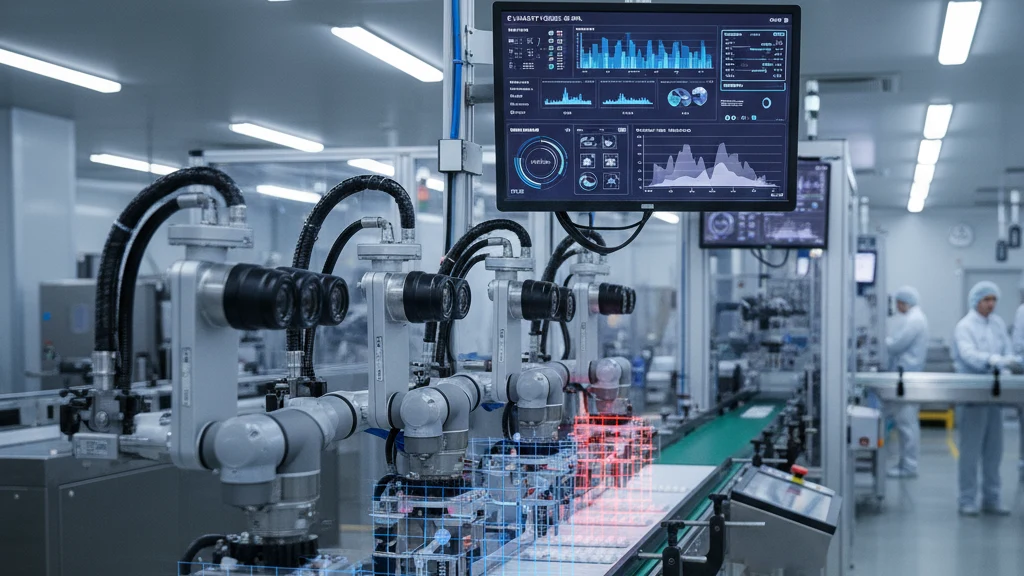
How Simulation Enhances Quality in Smart Plants
Simulation-driven quality management offers several advantages for manufacturers:
- Predictive Quality Control: By running virtual tests, plants can anticipate defects or process deviations before they impact production.
- Process Optimization: Simulations help identify bottlenecks and inefficiencies, enabling continuous improvement without trial-and-error on the shop floor.
- Faster Root Cause Analysis: When issues arise, digital twins allow teams to trace problems back to their source quickly, minimizing downtime and waste.
- Reduced Costs: Virtual experimentation reduces the need for physical prototypes and costly rework, saving both time and resources.
These capabilities are especially critical for industries with strict regulatory requirements or complex supply chains, such as pharmaceuticals, automotive, and electronics.
Integrating Digital Twins with Quality Monitoring
To fully realize the benefits of simulation, digital twins should be integrated with quality monitoring systems. This combination allows for real-time detection of anomalies, automated alerts, and rapid response to emerging issues. For example, linking digital twins with packaging line quality monitoring can help prevent shipping errors and ensure compliance with quality standards.
Additionally, digital twins can support batch quality monitoring systems by simulating process variations and predicting batch-to-batch consistency. This proactive approach helps maintain high-quality output and reduces the risk of recalls or customer complaints.
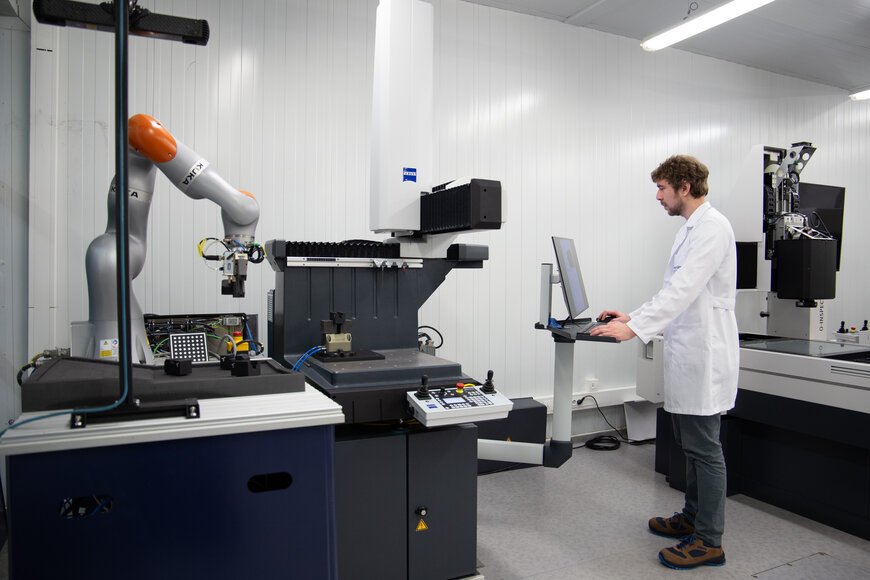
Real-Time Benefits and Use Cases
Implementing digital twin quality simulation systems delivers measurable advantages across various manufacturing environments:
- Downtime Reduction: By simulating maintenance schedules and predicting equipment failures, plants can minimize unplanned outages. Learn more about downtime reduction through quality monitoring for practical strategies.
- Production Monitoring: Real-time visibility into production processes enables faster adjustments and improved throughput. For an in-depth look at these benefits, see this resource on real-time production monitoring advantages.
- Regulatory Compliance: Digital twins help document process changes and quality interventions, supporting traceability and audit readiness.
- Continuous Improvement: Simulation data feeds into ongoing process optimization, driving long-term gains in efficiency and product quality.
Challenges and Considerations
While the potential of simulation-driven quality management is significant, there are challenges to consider:
- Data Quality: Accurate, timely data is essential for effective digital twins. Poor data can lead to incorrect predictions and suboptimal decisions.
- Integration Complexity: Connecting legacy systems and diverse data sources requires careful planning and robust IT infrastructure.
- Change Management: Adopting new technologies often involves cultural shifts and workforce training to ensure successful implementation.
- Cybersecurity: As digital twins rely on interconnected networks, protecting sensitive data and intellectual property is paramount.
Addressing these challenges requires a strategic approach, including stakeholder engagement, investment in modern IT solutions, and ongoing skills development.
Future Trends in Quality Simulation for Smart Manufacturing
The field of digital twins and simulation is rapidly advancing, with several trends shaping its future:
- AI and Machine Learning: Integrating artificial intelligence enhances predictive capabilities and automates complex quality analyses.
- Cloud-Based Platforms: Cloud solutions make it easier to scale digital twin deployments and facilitate collaboration across global teams.
- Edge Computing: Processing data closer to the source enables faster decision-making and reduces latency in quality monitoring.
- Enhanced Visualization: Augmented and virtual reality tools provide immersive ways to interact with digital twins and simulation results.
As these technologies mature, manufacturers can expect even greater returns from their investments in simulation and digital twins.
FAQ
What is the main purpose of digital twin quality simulation systems in manufacturing?
The primary goal is to create a virtual environment that mirrors real-world processes, enabling manufacturers to predict, monitor, and optimize quality outcomes without disrupting actual production. This leads to improved efficiency, reduced defects, and better decision-making.
How do digital twins help reduce downtime in smart plants?
By simulating maintenance scenarios and predicting equipment failures, digital twins allow plants to schedule proactive interventions, minimizing unplanned outages and maximizing operational uptime.
Are digital twin simulation systems suitable for all industries?
While especially valuable in complex, regulated sectors like pharmaceuticals, automotive, and electronics, these systems can benefit any manufacturing environment seeking to enhance quality, traceability, and operational efficiency.
Conclusion
Adopting digital twin quality simulation systems is a strategic move for manufacturers aiming to thrive in the era of smart plants. By combining real-time data, advanced simulation, and integrated quality monitoring, organizations can achieve higher standards of product quality, operational agility, and cost-effectiveness. As digital transformation accelerates, investing in these technologies will be essential for maintaining a competitive edge and meeting the demands of modern manufacturing.
For further reading on related topics, explore resources on digital traceability in production and how simulation-driven quality systems can support end-to-end visibility and compliance in your operations.