

The convergence of digital twins and AI inspection systems is transforming how manufacturers approach quality, efficiency, and predictive maintenance. By combining virtual replicas of physical assets with intelligent inspection technologies, organizations can unlock new levels of insight and automation. This synergy is driving smarter factories, reducing downtime, and enabling proactive decision-making across industries.
As the industrial landscape evolves, understanding how these two technologies complement each other is crucial for businesses aiming to stay competitive. In this article, we’ll explore the fundamentals of both concepts, examine their integration, and highlight the practical benefits and challenges of leveraging them together. For those interested in a deeper dive into the benefits of automated surface inspection, related resources are available to further expand your knowledge.
Understanding Digital Twins in Modern Manufacturing
A digital twin is a dynamic, virtual representation of a physical object, process, or system. These digital models are continuously updated with real-time data from sensors, IoT devices, and operational systems. In manufacturing, digital twins are used to simulate production lines, monitor equipment health, and optimize workflows.
The core advantage of digital twins lies in their ability to mirror the physical world. This enables engineers and operators to visualize performance, run simulations, and predict outcomes without disrupting actual operations. By creating a feedback loop between the physical and digital realms, companies can experiment, identify bottlenecks, and implement improvements with minimal risk.
AI Inspection Systems: Revolutionizing Quality Control
AI inspection systems utilize advanced algorithms and machine learning to analyze images, sensor data, and other inputs for quality assurance. Unlike traditional inspection methods, which often rely on manual checks or basic machine vision, AI-driven solutions can detect subtle defects, learn from new data, and adapt to changing conditions.
These systems are commonly deployed on production lines to inspect products for surface defects, dimensional accuracy, and assembly errors. By automating inspection, manufacturers can achieve higher consistency, reduce human error, and respond quickly to quality issues. For a comprehensive overview of how these systems work, see this guide to AI-driven inspection systems.
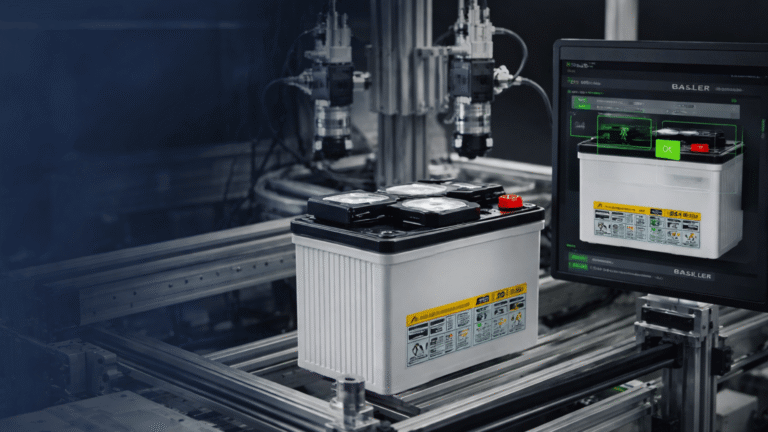
How Digital Twins Enhance AI Inspection Capabilities
The integration of digital twins and AI inspection systems creates a powerful feedback mechanism for continuous improvement. Here’s how the combination works:
- Data Enrichment: Digital twins aggregate real-time data from the shop floor, providing a rich context for AI inspection models. This allows AI to learn from a broader set of variables, improving defect detection and classification accuracy.
- Simulation and Training: Virtual replicas can be used to generate synthetic data, simulating rare defects or process variations. This is invaluable for training AI for defect recognition when real-world examples are scarce.
- Predictive Maintenance: By combining inspection results with digital twin analytics, manufacturers can predict equipment failures before they occur, reducing unplanned downtime and maintenance costs.
- Process Optimization: Insights from AI inspections feed back into the digital twin, enabling real-time adjustments to production parameters and continuous process improvement.
This closed-loop system not only improves product quality but also enhances operational agility and resource efficiency.
Key Benefits of Combining Virtual Twins and AI-Driven Inspection
The synergy between digital modeling and intelligent inspection unlocks several advantages for manufacturers:
- Faster Problem Resolution: Issues detected by AI can be traced in the digital twin, helping teams quickly identify root causes and implement fixes.
- Reduced Waste: Early detection of defects minimizes scrap and rework, supporting sustainability goals and cost savings.
- Scalability: The combined approach supports rapid scaling of production lines and new product introductions. For strategies on this front, explore how to improve production scalability.
- Continuous Learning: AI models continuously improve as more data is collected, while digital twins evolve to reflect changes in the physical environment.

Challenges and Considerations in Implementation
While the integration of digital twins and intelligent inspection systems offers significant promise, it also presents certain challenges:
- Data Integration: Bringing together data from diverse sources—sensors, machines, and enterprise systems—requires robust infrastructure and interoperability standards.
- Model Accuracy: Both digital twins and AI models must be regularly validated and updated to ensure they accurately reflect real-world conditions.
- Change Management: Adopting these technologies often involves organizational change, workforce training, and a shift in operational mindset.
- Security and Privacy: Protecting sensitive production data and intellectual property is critical, especially when digital twins are connected to external networks.
Addressing these challenges requires a clear strategy, cross-functional collaboration, and ongoing investment in skills and technology.
Industry Applications and Real-World Impact
The combination of virtual modeling and AI-powered inspection is being adopted across a range of sectors:
- Automotive: Digital twins of assembly lines paired with AI inspection ensure vehicles meet stringent quality standards while reducing recalls.
- Electronics: High-speed inspection of circuit boards is enhanced by digital twins that simulate process variations and optimize throughput.
- Pharmaceuticals: Ensuring compliance and product integrity through real-time monitoring and predictive analytics.
- Energy: Monitoring and maintaining critical infrastructure, such as turbines and pipelines, with predictive maintenance powered by digital twins and AI.
For further reading on how AI is reshaping quality control, see this in-depth look at enhancing quality control with AI solutions.
Comparing AI-Driven and Traditional Inspection Approaches
The shift from conventional machine vision to AI-driven inspection, especially when combined with digital twins, marks a significant evolution in manufacturing. Traditional systems rely on fixed rules and are limited in their ability to adapt to new defect types or changing conditions. In contrast, AI-powered solutions learn from data, adapt to new challenges, and work seamlessly with digital twins for continuous improvement.
For a detailed comparison, refer to this resource on AI vs traditional machine vision.
FAQ
What is the main advantage of integrating digital twins with AI inspection systems?
The primary benefit is the creation of a real-time feedback loop that enables proactive quality control, predictive maintenance, and continuous process optimization. This integration allows manufacturers to detect issues early, simulate improvements, and adapt rapidly to changes.
How do digital twins help train AI inspection models?
Digital twins can generate synthetic data by simulating rare defects or process variations. This data is used to train and validate AI models, improving their accuracy and robustness even when real-world defect examples are limited.
Are there any challenges to adopting these technologies together?
Yes, challenges include integrating diverse data sources, ensuring model accuracy, managing organizational change, and maintaining data security. Successful implementation requires careful planning, investment in infrastructure, and ongoing validation.