
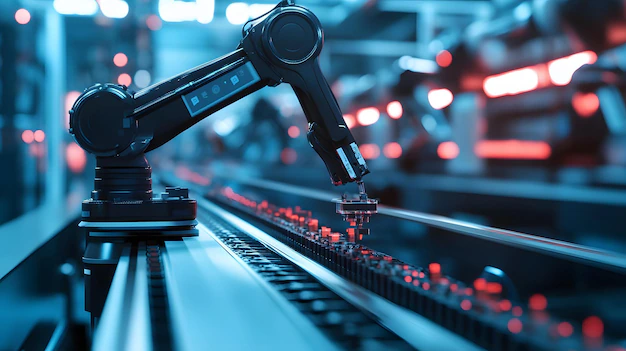
The rapid integration of artificial intelligence into manufacturing is reshaping how factories operate, optimize, and innovate. As digital transformation accelerates, the future of AI in smart manufacturing promises not only greater efficiency but also improved quality, flexibility, and sustainability. Manufacturers worldwide are leveraging advanced algorithms, machine learning, and computer vision to automate complex processes, predict maintenance needs, and enable real-time decision-making on the factory floor.
From predictive analytics to autonomous robotics, AI-driven solutions are no longer experimental—they are becoming essential tools for staying competitive. This article explores the evolving landscape of intelligent automation, highlights key trends, and addresses both the opportunities and challenges that come with adopting these technologies.
For organizations interested in enhancing their inspection workflows, exploring augmented reality in quality audits can provide additional value by visualizing data and improving operator efficiency.
Key Drivers Accelerating AI Adoption in Industry
Several factors are fueling the adoption of intelligent systems in manufacturing environments. The need for higher productivity, reduced downtime, and improved product quality is pushing companies to embrace digital solutions. As global supply chains become more complex, AI offers a way to manage uncertainty and adapt to changing market demands.
- Data Availability: The proliferation of sensors and IoT devices generates vast amounts of data, which AI systems can analyze for actionable insights.
- Advanced Computing Power: The rise of edge computing and cloud infrastructure enables real-time processing and deployment of sophisticated models on the shop floor.
- Labor Shortages: Automation helps address workforce gaps by handling repetitive or hazardous tasks, allowing skilled workers to focus on higher-value activities.
- Quality and Compliance: AI-driven inspection and monitoring ensure consistent quality and help manufacturers meet stringent regulatory standards.
Emerging Applications of AI in Smart Factories
Modern factories are deploying AI across a wide range of applications, from predictive maintenance to intelligent quality control. These use cases demonstrate how digital intelligence is transforming traditional manufacturing processes.
Predictive Maintenance and Asset Optimization
One of the most impactful uses of AI is in predictive maintenance. By analyzing sensor data from machines, algorithms can detect patterns that indicate wear and tear or impending failures. This proactive approach minimizes unplanned downtime and extends equipment lifespan. Manufacturers can optimize maintenance schedules, reduce costs, and improve overall equipment effectiveness (OEE).
AI-Powered Visual Inspection
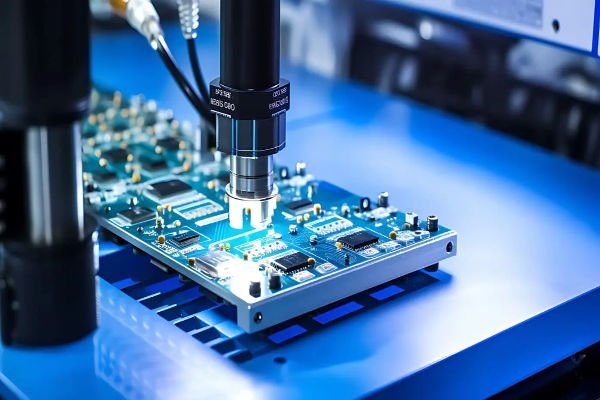
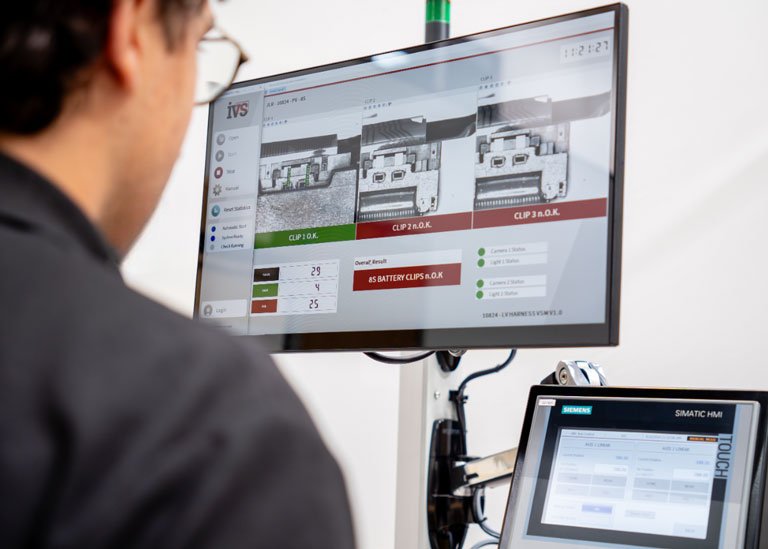
Computer vision systems are revolutionizing quality control. High-resolution cameras combined with deep learning models can inspect products for defects at speeds and accuracies far beyond human capabilities. These systems can adapt to new product lines and detect subtle anomalies, ensuring consistent quality across batches. For those interested in the latest advancements, vision transformers for industrial use represent a next-generation approach to visual inspection.
Intelligent Process Automation
AI-driven automation extends beyond robotics. Intelligent process automation (IPA) combines machine learning, natural language processing, and rule-based automation to streamline administrative and operational tasks. This enables faster order processing, inventory management, and supply chain optimization, freeing up human workers for more strategic roles.
How AI Is Shaping the Future of Manufacturing
The evolution of smart factories is closely tied to the ongoing development of AI technologies. As algorithms become more sophisticated and data integration improves, the manufacturing sector is poised for significant transformation.
- Hyperautomation: The convergence of AI, robotics, and IoT is driving hyperautomation, where end-to-end processes are automated with minimal human intervention.
- Self-Optimizing Production: AI systems can dynamically adjust production parameters in real time, responding to fluctuations in demand, material quality, or equipment performance.
- Personalized Manufacturing: Advanced analytics enable mass customization, allowing manufacturers to efficiently produce small batches tailored to individual customer needs.
- Energy Efficiency and Sustainability: AI can optimize energy consumption, reduce waste, and support circular manufacturing models, aligning with global sustainability goals.
Challenges and Considerations for AI Integration
While the benefits of intelligent automation are substantial, manufacturers must address several challenges to realize its full potential:
- Data Quality and Integration: AI models require large volumes of high-quality data, which can be difficult to collect and standardize across legacy systems.
- Change Management: Successfully implementing AI involves not only technical upgrades but also cultural shifts, workforce training, and clear communication.
- Cybersecurity: As factories become more connected, protecting sensitive data and systems from cyber threats is paramount.
- Scalability: Piloting AI solutions is often easier than scaling them across multiple sites or production lines.
Organizations can benefit from monitoring the performance of deployed models. For example, monitoring AI model drift in factories is critical for maintaining long-term accuracy and reliability.
Best Practices for Embracing AI in Manufacturing
To maximize the value of AI, manufacturers should consider the following strategies:
- Start with Clear Objectives: Define specific goals for AI adoption, such as reducing defects, increasing throughput, or lowering operational costs.
- Pilot and Iterate: Begin with pilot projects in high-impact areas, gather feedback, and refine solutions before scaling up.
- Invest in Skills and Training: Equip employees with the knowledge to work alongside AI systems, fostering a culture of continuous learning.
- Collaborate with Technology Partners: Work with vendors and research institutions to access the latest innovations and best practices.
- Ensure Ethical and Transparent Use: Establish guidelines for responsible AI deployment, including data privacy, fairness, and accountability.
For those interested in optimizing AI models for inspection tasks, exploring hyperparameter tuning for inspection models can lead to better performance and more reliable outcomes.
Industry Perspectives and Future Outlook
Experts agree that the next decade will see even deeper integration of AI into manufacturing. According to a recent industry report on AI-driven manufacturing innovation, companies that invest early in digital transformation are likely to achieve significant competitive advantages, including faster time-to-market and greater agility.
As AI technologies mature, expect to see more collaborative robots (cobots), autonomous mobile robots, and advanced analytics platforms working in tandem with human operators. The focus will shift from isolated automation projects to holistic, interconnected systems that deliver continuous improvement across the value chain.
Wearable devices are also emerging as valuable tools for supporting manual inspection and maintenance. For more on this topic, see wearable AI for manual inspection support, which explores how digital helpers can enhance worker productivity and safety.
FAQ: AI and Automation in Manufacturing
How does AI improve quality control in manufacturing?
AI-powered visual inspection systems use machine learning and computer vision to detect defects and anomalies in real time. These systems can analyze thousands of products per hour, ensuring consistent quality and reducing the risk of human error.
What are the main barriers to adopting AI in factories?
Common challenges include integrating AI with legacy equipment, ensuring data quality, managing cybersecurity risks, and upskilling the workforce. Change management and initial investment costs can also be significant hurdles for some organizations.
Can AI help make manufacturing more sustainable?
Yes, AI can optimize energy usage, reduce material waste, and enable predictive maintenance, all of which contribute to more sustainable operations. By analyzing data across the production process, AI helps manufacturers identify opportunities for efficiency and environmental impact reduction.
What is the role of human workers in AI-enabled factories?
While AI automates repetitive and data-intensive tasks, human workers remain essential for oversight, problem-solving, and process improvement. The focus shifts toward higher-value activities, such as interpreting insights, managing exceptions, and driving innovation.
As the manufacturing sector continues to evolve, the integration of AI and automation will be a defining factor in shaping the next generation of smart factories. By embracing these technologies thoughtfully and strategically, manufacturers can unlock new levels of productivity, quality, and resilience.