
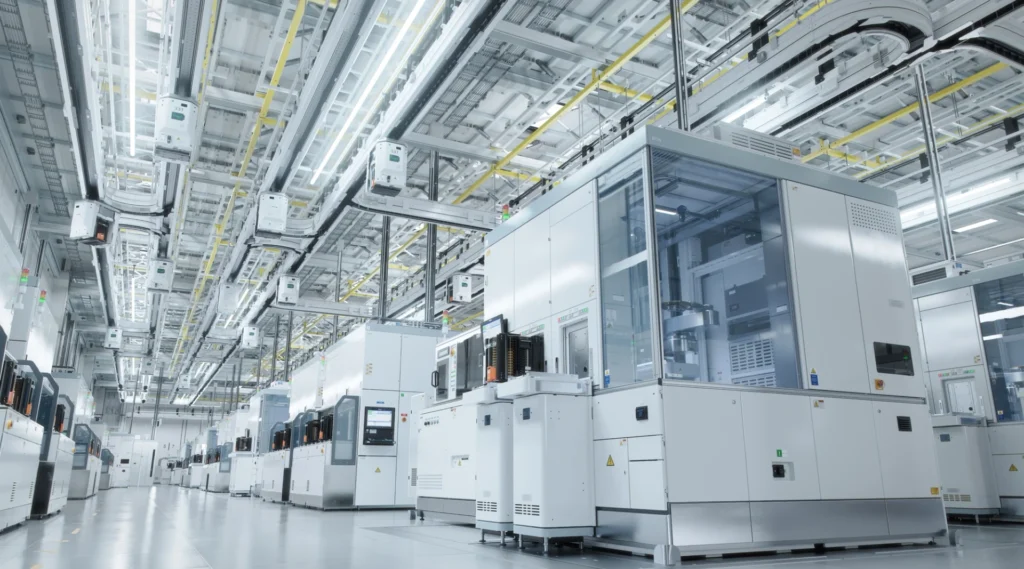
As artificial intelligence becomes increasingly central to modern manufacturing, the need for high-quality training data has never been greater. Traditional data collection methods often face challenges such as privacy concerns, data scarcity, and high annotation costs. Synthetic data offers a powerful solution, enabling manufacturers to develop robust AI models without the limitations of real-world datasets. This guide explores how synthetic data is transforming AI training in manufacturing, its benefits, practical applications, and best practices for implementation.
For those interested in exploring related topics, understanding the benefits of automated surface inspection can provide valuable context on how AI-driven solutions are reshaping quality control processes.
Understanding Synthetic Data in Manufacturing AI
Synthetic data refers to information that is artificially generated rather than collected from real-world events. In manufacturing, this data is created using computer simulations, generative algorithms, or digital twins to mimic the characteristics of actual production environments. The primary goal is to produce datasets that are statistically similar to real data, ensuring that AI models can learn and generalize effectively.
Unlike traditional datasets, which may be limited by privacy issues or lack of diversity, synthetic data can be tailored to specific needs. This flexibility is particularly valuable for training AI systems in tasks like defect detection, predictive maintenance, and process optimization.
Key Advantages of Using Synthetic Data for AI Model Training
There are several compelling reasons why manufacturers are turning to synthetic data for AI training:
- Cost Efficiency: Generating synthetic datasets can be more affordable than collecting and labeling large volumes of real-world data, especially for rare events or defects.
- Data Privacy: Since synthetic data does not contain information from actual products or processes, it helps mitigate privacy and intellectual property concerns.
- Scalability: Synthetic data can be produced in virtually unlimited quantities, supporting the training of complex AI models that require vast amounts of information.
- Bias Reduction: By controlling the data generation process, manufacturers can ensure balanced datasets, reducing the risk of bias in AI predictions.
- Enhanced Diversity: Synthetic datasets can include a wide range of scenarios, including rare defects or edge cases that may not be present in real data.
How Synthetic Data Powers AI for Quality Control
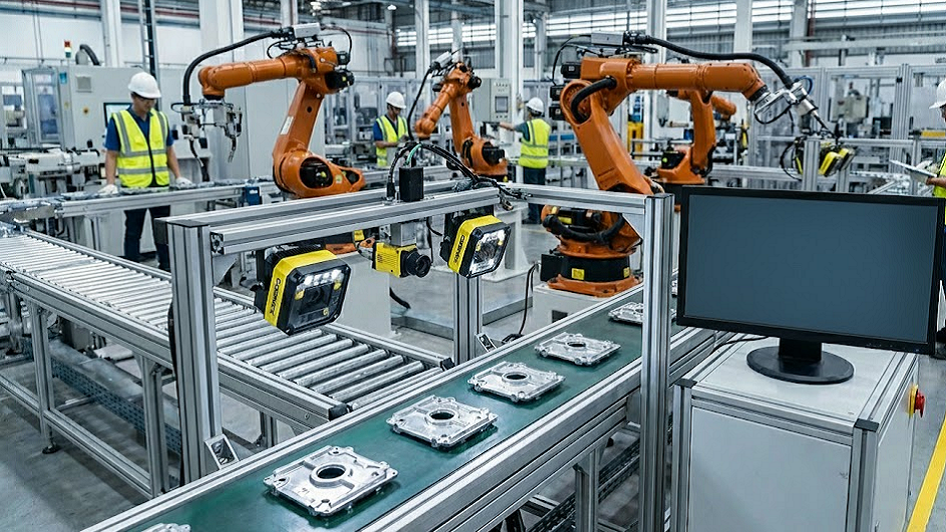
One of the most impactful uses of synthetic data in manufacturing is in quality control. AI models trained on synthetic images of products can accurately identify defects, even when real-world examples are scarce. This approach accelerates the deployment of automated inspection systems and improves their reliability.
For a deeper dive into how AI is enhancing quality control, you may find this overview of AI’s benefits in quality control insightful.
Synthetic data also supports the development of digital twins—virtual replicas of physical assets or processes. By simulating various production scenarios, manufacturers can test and refine AI algorithms before applying them to real-world operations, minimizing risk and downtime.
Applications of Synthetic Data in Manufacturing AI Training
The use of synthetic data extends across multiple manufacturing domains:
- Defect Detection: Generating images of products with simulated anomalies enables AI to recognize a broader range of defects.
- Predictive Maintenance: Simulated sensor data helps AI models anticipate equipment failures and optimize maintenance schedules.
- Process Optimization: Synthetic datasets allow for the testing of process changes in a virtual environment, supporting continuous improvement.
- Robotics and Automation: Training robots with synthetic data improves their ability to handle diverse tasks and adapt to new environments.
Best Practices for Implementing Synthetic Data in AI Projects
To maximize the value of synthetic data in manufacturing, consider the following best practices:
- Define Clear Objectives: Identify the specific AI tasks and performance metrics you aim to improve with synthetic data.
- Ensure Data Realism: Use advanced simulation tools and domain expertise to create data that closely mirrors real-world conditions.
- Validate with Real Data: Always test AI models on actual production data to confirm their effectiveness and generalizability.
- Iterate and Refine: Continuously update synthetic datasets based on model performance and feedback from production environments.
- Monitor for Bias: Regularly assess datasets to ensure they represent all relevant scenarios and do not introduce unintended biases.
For those looking to further explore the technical aspects of AI training in manufacturing, the article on how to train AI for defect recognition provides a comprehensive overview from data preparation to deployment.
Challenges and Considerations When Using Synthetic Data
While synthetic data offers many benefits, it is not without challenges. Ensuring that generated data accurately reflects real-world variability is critical. Over-reliance on artificial datasets can lead to models that perform well in simulations but struggle in actual production. Collaboration between data scientists, engineers, and manufacturing experts is essential to create meaningful and effective synthetic datasets.
Additionally, integrating synthetic data with existing data pipelines and maintaining data integrity over time require careful planning. Manufacturers should also stay informed about emerging standards and best practices in synthetic data generation to ensure ongoing success.
Comparing Synthetic and Real Data for AI Training
Both synthetic and real data have unique strengths. Real-world data captures the true complexity of manufacturing environments but may be limited in scope or availability. Synthetic data, on the other hand, offers scalability and flexibility but must be carefully validated to ensure it does not introduce artifacts or unrealistic patterns.
A balanced approach—combining synthetic and real data—often yields the best results, enabling manufacturers to train robust AI models that perform reliably in diverse conditions. For more on the differences between AI-driven and traditional machine vision approaches, the article on ai vs traditional machine vision offers useful insights.
FAQ
What is synthetic data and why is it important for manufacturing AI?
Synthetic data is artificially generated information that mimics real-world data. In manufacturing, it enables the training of AI models when real data is scarce, sensitive, or costly to obtain. It helps improve model accuracy, supports privacy, and allows for the simulation of rare events.
How does synthetic data improve quality control in manufacturing?
By generating diverse examples of product defects and variations, synthetic data allows AI systems to learn from a broader range of scenarios. This leads to more accurate and reliable automated inspection systems, reducing false positives and missed defects.
Are there risks to relying solely on synthetic data for AI training?
Yes, relying only on synthetic data can result in AI models that do not generalize well to real-world conditions. It is important to validate models with actual production data and continuously refine synthetic datasets to ensure ongoing effectiveness.
Can synthetic data be used for all types of manufacturing AI applications?
While synthetic data is highly versatile, its effectiveness depends on the complexity of the task and the quality of the data generation process. It is particularly useful for tasks like defect detection, predictive maintenance, and process simulation, but should be complemented with real data whenever possible.
As the manufacturing sector continues to embrace AI, leveraging synthetic data will be key to building smarter, more efficient, and resilient production systems. By following best practices and staying informed about the latest developments, manufacturers can unlock the full potential of AI-driven innovation.