
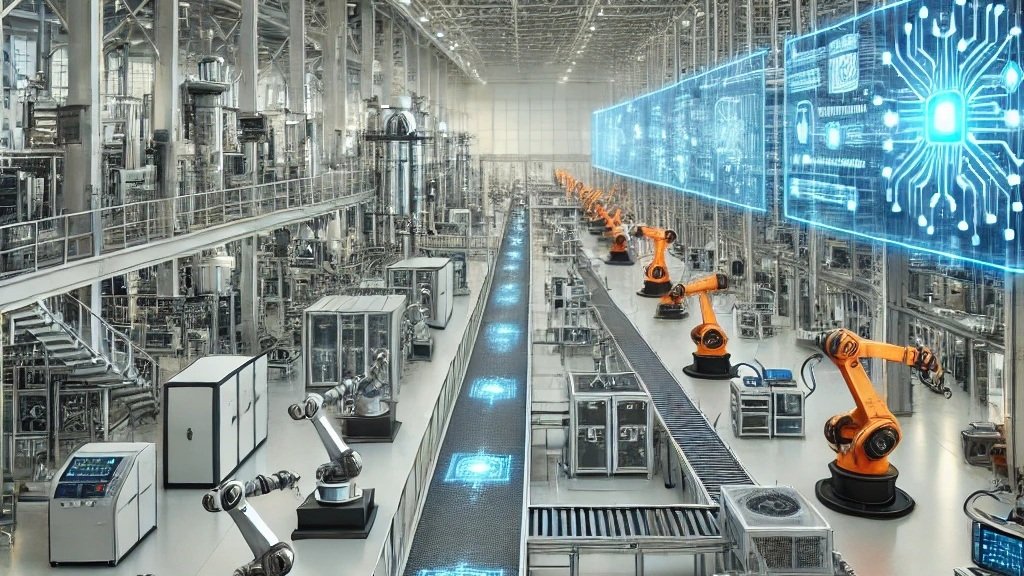
In modern manufacturing, ensuring the quality of products is critical for competitiveness and customer satisfaction. Traditional inspection methods, often reliant on human vision or basic machine vision systems, can struggle to keep up with the speed and complexity of today’s production lines. This is where convolutional neural networks (CNNs) have become a game-changer. These advanced algorithms excel at analyzing visual data, making them ideal for detecting subtle or complex flaws in industrial settings. Understanding how convolutional neural networks find defects helps manufacturers boost accuracy, reduce costs, and maintain high standards.
For those interested in the broader impact of AI-driven inspection, exploring the benefits of automated surface inspection can provide valuable context on how these technologies are transforming quality assurance.
Understanding the Basics of CNNs in Industrial Inspection
At their core, convolutional neural networks are a type of deep learning model designed to process and interpret visual information. Unlike traditional algorithms, CNNs automatically learn to recognize patterns, textures, and anomalies in images without the need for manual feature engineering. This makes them particularly effective for inspecting surfaces, parts, and assemblies in industries such as electronics, automotive, and pharmaceuticals.
The process begins with capturing high-resolution images of products as they move along the production line. These images are then fed into a trained CNN, which analyzes them layer by layer. Each layer extracts increasingly complex features, starting from simple edges and progressing to intricate shapes or textures. By the time the data reaches the final layers, the network can distinguish between normal and defective items with remarkable precision.
Key Steps: How Deep Learning Models Identify Flaws
To appreciate how convolutional neural networks find defects in practice, it helps to break down the main steps involved in the inspection workflow:
- Image Acquisition: Cameras or scanners capture detailed images of products from various angles, ensuring that even minute defects are visible.
- Preprocessing: Images are standardized through resizing, normalization, or contrast adjustments. This step helps the CNN focus on relevant features and ignore noise.
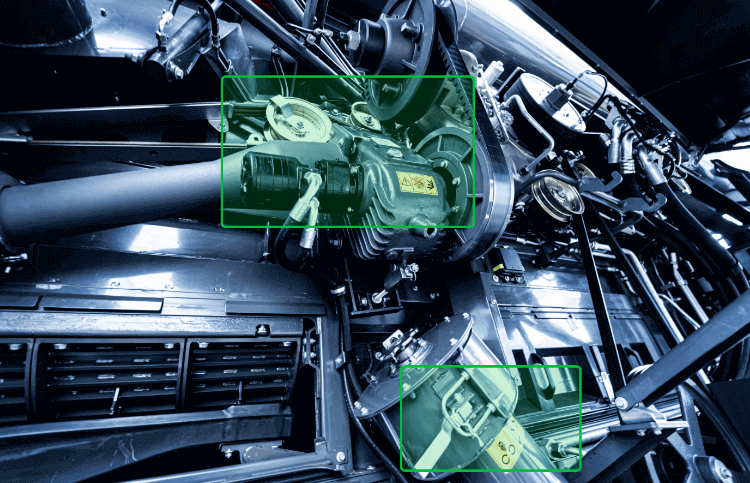
- Feature Extraction: The network’s convolutional layers automatically detect visual patterns, such as scratches, dents, or discolorations, by applying filters across the image.
- Classification or Segmentation: The model determines whether each image (or region within an image) is normal or contains a defect. In some cases, it can also pinpoint the exact location and type of flaw.
- Output and Action: Results are sent to the production system, which can trigger alerts, sort out defective items, or adjust manufacturing parameters in real time.
This automated approach not only increases speed and consistency but also allows for the detection of defects that might be missed by human inspectors or simpler vision systems.
Advantages Over Traditional Inspection Methods
One of the main reasons manufacturers are adopting CNN-based solutions is their ability to outperform traditional inspection techniques. While rule-based machine vision systems rely on predefined criteria and can struggle with variability, deep learning models adapt to new defect types and changing conditions. This flexibility is especially valuable in industries where products or materials may vary from batch to batch.
Compared to manual inspection, CNNs offer several advantages:
- Higher Accuracy: Deep learning models can detect subtle or complex defects that are difficult for humans to spot.
- Consistency: Automated inspection eliminates fatigue and subjective judgment, ensuring uniform quality checks.
- Scalability: CNNs can process thousands of images per hour, making them suitable for high-volume production environments.
- Adaptability: By retraining the model with new data, manufacturers can quickly respond to emerging defect patterns or changes in product design.
For a detailed comparison of AI-powered and conventional vision systems, see the discussion on ai vs traditional machine vision and how each approach impacts quality control.
Training and Improving Defect Detection Models
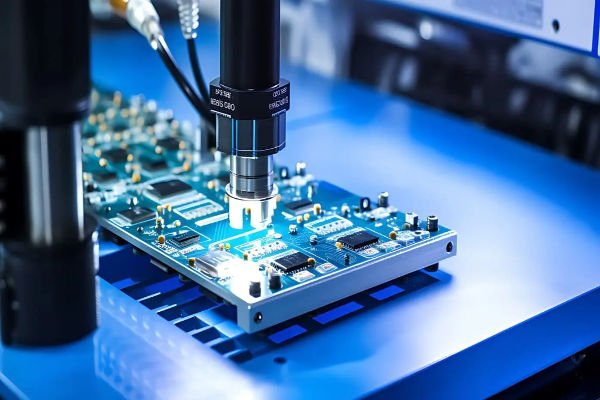
The effectiveness of a CNN-based inspection system depends heavily on the quality and diversity of its training data. To build a robust model, engineers collect thousands of labeled images representing both normal and defective products. The model learns to distinguish between acceptable variations and true flaws through repeated exposure to these examples.
Ongoing improvement is also essential. As new defect types emerge or production processes change, additional data can be used to retrain or fine-tune the model. This continuous learning approach ensures that the system remains accurate and relevant over time.
Manufacturers interested in implementing or optimizing such systems can benefit from resources on how to train ai for defect recognition, which covers best practices from data collection to deployment.
Real-World Applications and Industry Impact
CNN-based inspection is now widely used across sectors. In electronics, these models catch micro-cracks or soldering issues on circuit boards. In automotive manufacturing, they help spot paint imperfections, weld defects, or assembly errors. Pharmaceutical companies use them to verify packaging integrity and detect contamination.
The impact goes beyond defect detection. By integrating inspection data with production analytics, manufacturers can identify process bottlenecks, reduce waste, and improve overall efficiency. This shift toward intelligent quality assurance is a key driver of Industry 4.0 and smart factory initiatives.
For a broader perspective on how AI is transforming quality assurance, see this in-depth article on AI-powered quality control.
Challenges and Considerations for Implementation
While the benefits are clear, deploying CNN-based inspection systems comes with challenges. High-quality image acquisition requires investment in cameras and lighting. Building and maintaining a comprehensive dataset can be time-consuming, especially for rare defect types. There is also a need for skilled personnel to manage model training, validation, and ongoing updates.
Despite these hurdles, the long-term gains in accuracy, speed, and adaptability often justify the initial effort. Companies that embrace deep learning for inspection are better positioned to meet rising quality standards and adapt to changing market demands.
FAQ: Common Questions About Deep Learning in Industrial Inspection
How do convolutional neural networks differ from traditional machine vision in defect detection?
Unlike traditional systems, which rely on fixed rules or simple pattern matching, CNNs learn directly from data. This allows them to recognize complex or subtle defects and adapt to new types of flaws as more data becomes available.
What types of defects can deep learning models identify?
CNNs can detect a wide range of issues, including surface scratches, cracks, discolorations, missing components, and assembly errors. Their flexibility makes them suitable for diverse industries and product types.
How can manufacturers ensure their inspection models remain accurate over time?
Regularly updating the training dataset with new examples and retraining the model helps maintain high accuracy. Monitoring performance and incorporating feedback from production lines are also important for continuous improvement.
Is it difficult to scale CNN-based inspection systems for large production volumes?
Once deployed, these systems can process images rapidly and consistently, making them well-suited for high-volume environments. The main challenge lies in the initial setup and ensuring the model is trained on representative data.
As deep learning continues to evolve, its role in industrial inspection will only grow. By understanding the principles behind these technologies and investing in the right infrastructure, manufacturers can achieve higher quality, lower costs, and greater operational agility.